
A person with a new mutation in the SCN1A gene developed brain inflammation after COVID-19.
17 citations
,
August 2018 in “Clinics in Dermatology” Skin and hair-picking disorders are common and need both skin and mental health treatments.
12 citations
,
August 1988 in “Histopathology” The tumor likely shows dual neural crest differentiation.
 September 2021 in “European Neuropsychopharmacology”
 The research explores how gut bacteria and sleep patterns are related in mental health disorders.
10 citations
,
May 1974 in “American journal of diseases of children” The girl had a rare disorder causing mental and physical symptoms, with weak hair and unclear neurological issues.
 August 2020 in “Current psychopharmacology”
 Pregnancy and nursing increase certain brain activities in rats, but these changes disappear when the babies are taken away.
December 2024 in “Pediatrics in Review” Early detection and treatment of Menkes disease with copper injections are crucial for better outcomes.
4 citations
,
July 2019 in “Clinical and experimental dermatology” Early diagnosis and biotin treatment are crucial for infants with biotinidase deficiency to prevent severe complications.
 August 2025 in “International Journal of Contemporary Pediatrics”
 HLD10 can include increased body hair and Mongolian spots.
 October 2024 in “Российский физиологический журнал им И М Сеченова”
 Understanding barbering in lab rodents is important for animal welfare and research accuracy.
16 citations
,
June 1983 in “Journal of Neurochemistry” Copper therapy improved health and enzyme activity in mice with copper deficiency.
 January 1999 in “American Journal of Medical Genetics Part A”
 The report expanded knowledge of MBTPS1-related disorders by identifying new symptoms.
 1 citations
,
August 2021 in “Canadian journal of neurological sciences”
1 citations
,
August 2021 in “Canadian journal of neurological sciences” Woodhouse-Sakati syndrome can cause writer's cramp and other varied symptoms, highlighting the importance of genetic testing for diagnosis.
May 2024 in “International journal of medicine and psychology.” Ganser syndrome may result from both organic and psychogenic factors.
October 2025 in “Clinical and Experimental Pediatrics” A novel CLDN1 mutation in a 2-month-old with NISCH showed improvement with symptom management.
7 citations
,
February 2019 in “Veterinary medicine and science” An American Bully with a genetic skin condition improved significantly with specific topical treatments.
91 citations
,
May 2003 in “PubMed” Neuroactive steroids affect cocaine's rewarding effects through the sigma1 receptor.
1 citations
,
June 2022 in “Tidsskrift for Den norske legeforening” A young boy's uncombable hair is due to a rare genetic condition that usually improves over time.
44 citations
,
September 2011 in “Journal of Pediatric Gastroenterology and Nutrition” NISCH syndrome is a rare genetic disorder affecting skin and liver, with variable symptoms and limited treatment options.
 September 2025 in “OBM Genetics”
 Early diagnosis and comprehensive management improve life quality for Netherton syndrome patients.
 22 citations
,
May 2011 in “American Journal of Clinical Dermatology”
22 citations
,
May 2011 in “American Journal of Clinical Dermatology” Recognizing and managing skin-related psychiatric disorders in children is crucial for effective treatment.
October 2007 in “European Neuropsychopharmacology”  248 citations
,
December 2011 in “Journal of Neuroscience”
248 citations
,
December 2011 in “Journal of Neuroscience” Neurosteroids are crucial for stress response, and targeting specific receptors may help treat certain disorders.
January 1998 in “The Nishinihon Journal of Dermatology” A 7-year-old girl was diagnosed with Netherton's Syndrome, shown by skin and hair symptoms.
 January 2017 in “International journal of science and research”
 Trichotillomania is a chronic hair-pulling disorder, more common in females, treated with therapy and sometimes medication.
 April 2026 in “npj Parkinson s Disease”
 VPS13C variants are linked to more severe REM sleep disorder and faster progression to Parkinson's disease.
175 citations
,
December 1980 in “Archives of Dermatology” Trichothiodystrophy is a condition with brittle hair and various physical and mental issues due to low sulfur in proteins.
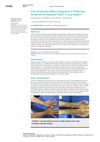
Doctors should consider Netherton syndrome in patients with chronic skin and hair issues to avoid misdiagnosis.
A new mutation in the TRPS1 gene caused Trichorhinophalangeal syndrome in a 17-year-old, highlighting the need for genetic testing.
 September 2025 in “Cureus”
 Early recognition and multidisciplinary management are crucial for improving outcomes in Parry-Romberg syndrome.