 2 citations
,
January 1980 in “Acupuncture & electro-therapeutics research”
2 citations
,
January 1980 in “Acupuncture & electro-therapeutics research” Hair loss might be due to nerve issues, treatable with electric stimulation or acupuncture.
November 2024 in “Journal of Investigative Dermatology” Skin and hair cells release serotonin and histamine naturally, which could help improve skin health.
January 2016 in “프로그램북(구 초록집)” Hormones and neuropeptides affect hair growth, with androgens having opposite effects on beard and scalp hair.
 December 2022 in “Cureus”
 Hormones significantly influence hair growth, with conditions like hirsutism and patterned hair loss linked to hormone levels; more research is needed for full understanding.
48 citations
,
January 2011 in “Neuropharmacology” Isolation stress in rats reduces brain enzyme levels, affecting dopamine function.
4 citations
,
April 2025 in “Frontiers in Immunology” Extracellular vesicles could offer precise treatments for psychiatric conditions by targeting brain networks.
December 2015 in “Endocrinology and Metabolic Syndrome” January 2026 in “Dermatologic Therapy” Female pattern hair loss can signal hormone issues and should be part of health checks for personalized treatment.
 127 citations
,
June 2008 in “British Journal of Clinical Pharmacology”
127 citations
,
June 2008 in “British Journal of Clinical Pharmacology” Low doses of some substances can be beneficial, while high doses can be harmful or toxic.
 73 citations
,
July 2013 in “The Journal of Sexual Medicine”
73 citations
,
July 2013 in “The Journal of Sexual Medicine” Finasteride use changes brain chemicals, causing lasting sexual issues and anxiety/depression.
 September 2009 in “Dermato-endocrinology”
 Good nutrition and vitamins are important for healthy skin and can prevent diseases.
 12 citations
,
June 2019 in “Psychoneuroendocrinology”
12 citations
,
June 2019 in “Psychoneuroendocrinology” Allopregnanolone is needed for certain brain processing issues caused by D1 dopamine receptor activation.
 7 citations
,
January 2022 in “Animal Reproduction”
7 citations
,
January 2022 in “Animal Reproduction” Using rodents for research shows that health problems in the womb can cause diseases later in life.
 4 citations
,
March 2017 in “Development”
4 citations
,
March 2017 in “Development” Estrogen is important for keeping adult mouse nipple skin healthy by controlling certain cell signals.
January 2014 in “Theriogenology” Neurosteroids help control stress hormone levels in pregnant sheep.
 24 citations
,
January 2003 in “Journal of Investigative Dermatology”
24 citations
,
January 2003 in “Journal of Investigative Dermatology” Blocking a specific receptor slows down hair loss in mice.
 60 citations
,
November 2009 in “General and Comparative Endocrinology”
60 citations
,
November 2009 in “General and Comparative Endocrinology” Fadrozole and finasteride change gene expression related to sex hormones and thyroid hormones in frog larvae development.
March 2025 in “Molecular Neurobiology” 10 citations
,
February 2013 in “PLoS ONE” Neprilysin is important for hair growth regulation.
April 2020 in “Journal of the Endocrine Society” The patient with a misplaced pituitary gland and interrupted pituitary stalk is being treated with hormone replacement.
 22 citations
,
October 2011 in “Bone”
22 citations
,
October 2011 in “Bone” Androgens affect bone and fat cell development differently based on the cells' embryonic origin.
 6 citations
,
February 2022 in “The journal of neuroscience/The Journal of neuroscience”
6 citations
,
February 2022 in “The journal of neuroscience/The Journal of neuroscience” Deleting the PTEN gene in mice causes nerve cells to grow larger and heal better after injury, but may cause overgrowth and hair loss in older mice.
 29 citations
,
January 2021 in “Translational Psychiatry”
29 citations
,
January 2021 in “Translational Psychiatry” The research suggests that Tourette syndrome is linked to both brain signaling and immune system pathways.

The paper suggests that a decrease in estrogen receptor activity may cause sexual dysfunction syndromes and proposes hormonal treatments.
 August 2025 in “Endokrynologia Polska”
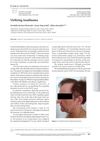
 A rare pancreatic tumor caused a woman's male-like features, treated successfully with surgery and medication.
35 citations
,
April 2009 in “Journal of Neuroscience Research” HDAC inhibitors help brain cells grow and improve brain function.
Blocking 5α-reductase can reduce sleep deprivation-related behavioral issues in rats.
22 citations
,
April 2004 in “Journal of Neurochemistry” Acute stress increases Y1 receptor gene expression in certain brain areas, but repeated stress does not.
1 citations
,
April 1998 in “PubMed”  10 citations
,
December 2017 in “Chemosphere”
10 citations
,
December 2017 in “Chemosphere” Bisphenol-A (BPA) increases connections between brain cells and boosts their activity, but it blocks the effects of a male hormone on brain cell plasticity.