Skin cells can naturally limit the growth of cancerous changes by balancing cell renewal and differentiation.
 November 2023 in “Research Square (Research Square)”
 NIR-II imaging effectively tracked stem cells that helped repair facial nerve defects in rats.
2 citations
,
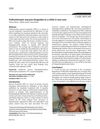
June 1989 in “Archives of Dermatology” A black pore on a man's cheek was a hair follicle tumor and was removed.
37 citations
,
May 2018 in “Developmental Biology” Adult neural crest-derived cells can become multipotent and aid tissue repair when stressed or injured.
November 2007 in “Science” Keratin-based hydrogels from human hair help nerve repair better than traditional methods.
62 citations
,
March 2017 in “Journal of Investigative Dermatology” Mutations in the ACTB gene cause Becker’s nevi and may lead to muscle issues in Becker’s nevus syndrome.
 1 citations
,
June 2021 in “Curēus”
1 citations
,
June 2021 in “Curēus” A woman with hair loss had a benign sweat duct tumor found during a scalp biopsy.
February 2022 in “Authorea (Authorea)” PAON shows skin patterns due to genetic mosaicism.
 14 citations
,
September 2015 in “Ophthalmic plastic and reconstructive surgery”
14 citations
,
September 2015 in “Ophthalmic plastic and reconstructive surgery” Surgical removal of abnormal fat pads fixed the woman's eyelid issue caused by likely silicone injections.
 40 citations
,
February 1990 in “Journal of The American Academy of Dermatology”
40 citations
,
February 1990 in “Journal of The American Academy of Dermatology” A 17-year-old developed woolly hair nevus in adolescence, which is unusual, and over time the hair darkened and straightened slightly, but microscopic changes persisted.
10 citations
,
September 2016 in “Journal of cutaneous medicine and surgery” Patients on dabrafenib and trametinib for melanoma often experience skin side effects.
16 citations
,
March 2011 in “Ophthalmic genetics” A patient with Birt-Hogg-Dubé Syndrome also had choroidal melanoma, suggesting the need for careful eyelid exams in such patients.
14 citations
,
July 2004 in “Australasian Journal of Dermatology” Follicular mycosis fungoides can look like a B-cell lymphoma, making diagnosis difficult.
1 citations
,
January 2025 in “Burns & Trauma” Targeting Midkine can help reduce pain and itching in keloids.
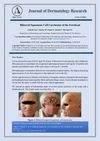
A 70-year-old man with skin cancer on both sides of his forehead was treated with surgery and cryotherapy, highlighting the need for early detection and prevention.
January 2015 in “Elsevier eBooks” Stem cells show promise for nerve injury treatment, but more research is needed before human use.
 1 citations
,
October 2023 in “Journal of the Pakistan Medical Association”
1 citations
,
October 2023 in “Journal of the Pakistan Medical Association” Folliculotropic mycosis fungoides can occur in children and is diagnosed with specific tests, but often stays in early stages with treatment.
380 citations
,
March 2000 in “Proceedings of the National Academy of Sciences” Overexpressing GLI-1 in mice skin can cause tumors like human basal cell carcinomas.
8 citations
,
July 2017 in “The journal of investigative dermatology/Journal of investigative dermatology” Certain microRNAs might help identify and understand Frontal Fibrosing Alopecia.
29 citations
,
June 2014 in “Experimental Cell Research” EGF–FGF2 helps mouse stem cells grow and become more like nerve cells.
August 2024 in “Case Reports in Ophthalmology” Older patients with new retinal lesions may have cancer, and local radiation might not stop it from spreading.
12 citations
,
January 1991 in “Acta Dermato Venereologica” Basal cell epithelioma-like changes are most similar to normal basal cells.
July 2024 in “Journal of Investigative Dermatology” Certain substances can help skin cells become anti-inflammatory, aiding in tissue repair.
January 2000 in “Neuroscience Research” April 2026 in “Expert Opinion on Biological Therapy” Prurigo nodularis is hard to diagnose and treat, but new biologics offer hope for better management.
5 citations
,
July 1999 in “Journal of Anatomy” Methylene blue staining effectively highlights detailed nerve structures in rat fur.
2 citations
,
December 2018 Alopecia frontal fibrosante affects facial vellus hair and can be diagnosed with dermatoscopy.
 September 2016 in “Journal of dermatological science”
 Transplanted whisker follicles caused hair growth on the spine of mice.
47 citations
,
November 1966 in “Archives of Dermatology” Trichorrhexis nodosa is mainly caused by hair trauma, not a metabolic defect.
January 2025 in “Online Publication Service of Würzburg University (Würzburg University)” A protocol was developed to create 3D skin models from adult diseased cells to study Small Fiber Neuropathy.