 22 citations
,
June 2018 in “Journal of Neuroinflammation”
22 citations
,
June 2018 in “Journal of Neuroinflammation” Procyanidins from grape seeds reduce nerve pain by blocking specific proteins and inflammation.
29 citations
,
June 2014 in “Experimental Cell Research” EGF–FGF2 helps mouse stem cells grow and become more like nerve cells.
10 citations
,
May 2020 in “Advances in Polymer Technology” Melatonin-loaded nanoparticles improve antidepressant effects and HPA hormone balance better than regular melatonin.
52 citations
,
May 2011 in “Journal of Neuroendocrinology” PEA boosts allopregnanolone production and reduces oxidative stress in brain cells.
 105 citations
,
August 2010 in “Pharmacology & therapeutics”
105 citations
,
August 2010 in “Pharmacology & therapeutics” Formyl-peptide receptor agonists could be new anti-inflammatory drugs.
March 2024 in “European Journal of Neuroscience” Dopaminergic neurons in the gut have diverse subtypes with different neurotransmitter contents.
2 citations
,
April 2014 in “PubMed” Epidermal neural crest stem cells from hair follicles can help repair nerve injuries.
41 citations
,
April 2009 in “Journal of comparative neurology” P2X3-IR fibers are widespread in rat skin and likely help detect pain.
49 citations
,
March 1996 in “Experimental Brain Research” August 2022 in “Theriogenology” Neurosteroids affect prolactin levels in sheep differently depending on stress and pregnancy conditions.
26 citations
,
July 2023 in “International Journal of Nanomedicine” The microneedle system shows promise for non-invasive brain drug delivery.
 3 citations
,
April 2021 in “PLoS ONE”
3 citations
,
April 2021 in “PLoS ONE” Pulse electric fields can control the release of growth factors and serotonin from platelet-rich plasma, offering a tailored approach to wound healing.
 12 citations
,
June 2019 in “Psychoneuroendocrinology”
12 citations
,
June 2019 in “Psychoneuroendocrinology” Allopregnanolone is needed for certain brain processing issues caused by D1 dopamine receptor activation.
ERK activation spreads between cells in mouse skin, linked to cell division and influenced by TPA and EGF receptors.
9 citations
,
February 2025 in “Journal of Nanobiotechnology” Biomimetic nanovesicles can speed up diabetic wound healing by regulating immune cell behavior and metabolism.

A new microneedle patch helps repair spinal cord injuries by reducing scarring and promoting nerve growth.
 96 citations
,
October 2000 in “The FASEB Journal”
96 citations
,
October 2000 in “The FASEB Journal” The p75 neurotrophin receptor is important for hair follicle regression by controlling cell death.
37 citations
,
December 1995 in “Journal of Cell Science” Nexin 1 may help control hair growth.
137 citations
,
January 2006 in “Frontiers in bioscience” CRH in the skin acts like the body's stress response system, affecting cell behavior and immune activity.
Nod factor can trigger changes in legume root hairs with just one molecule.
 6 citations
,
September 2023 in “Experimental physiology”
6 citations
,
September 2023 in “Experimental physiology” A special receptor in sensory nerve endings helps control how they respond to stretching.
 286 citations
,
April 2009 in “The journal of neuroscience/The Journal of neuroscience”
286 citations
,
April 2009 in “The journal of neuroscience/The Journal of neuroscience” TRPA1 is crucial for mechanical sensitivity in skin sensory neurons.
August 2021 in “The Journal of Physiology” NKCC1 transporters help control neuron excitability and inhibition.
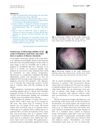 15 citations
,
November 2016 in “Journal of The American Academy of Dermatology”
15 citations
,
November 2016 in “Journal of The American Academy of Dermatology” Exclamation mark hairs suggest early scalp disease, while white dots indicate it's chronic.
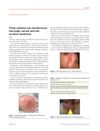 13 citations
,
October 2015 in “Journal of the European Academy of Dermatology and Venereology”
13 citations
,
October 2015 in “Journal of the European Academy of Dermatology and Venereology” The document concludes that early recognition and appropriate treatment of red scalp, red ear, and red scrotum syndromes can lead to remission.
Sphingosine 1-phosphate helps control mechanical pain.
 27 citations
,
September 1999 in “Journal of Investigative Dermatology”
27 citations
,
September 1999 in “Journal of Investigative Dermatology” Human skin cells contain Protease Nexin-1, and male hormones can decrease its levels, potentially affecting hair growth.
29 citations
,
January 2021 in “Journal of nanobiotechnology” Tiny particles from brain cells help hair grow by targeting a specific hair growth pathway.
December 2020 in “Research Square (Research Square)” Neural cell nanovesicles help hair growth by activating key signals.
3 citations
,
October 2021 in “Neuroscience Letters”