 March 2005 in “Journal of The American Academy of Dermatology”
 Mycophenolate mofetil improved skin condition in a man with nephrogenic fibrosing dermopathy.
 12 citations
,
February 2021 in “Translational Psychiatry”
12 citations
,
February 2021 in “Translational Psychiatry” Researchers found two new genetic variants linked to Alzheimer's disease.
 July 2024 in “Russian Journal of Child Neurology”
 Selumetinib effectively reduces tumor size in many children with neurofibromatosis type 1, but can cause skin and hair issues.
 December 2018 in “IntechOpen eBooks”
 Neurohormones help control skin health and could treat skin disorders.
4 citations
,
November 2024 in “International Journal of Molecular Sciences” COVID-19 may worsen Parkinson's disease by affecting certain brain proteins.
 October 2019 in “Turkderm”
 Patients with pernio have lower vitamin B12 and ferritin levels than healthy people.
 July 2022 in “Biomedicines”
 4-Aminopyridine improves skin wound healing and tissue regeneration by increasing cell growth and promoting nerve repair.
 3 citations
,
April 2012 in “Bioinformation”
3 citations
,
April 2012 in “Bioinformation” Two specific SNPs in the TRPS1 gene cause excessive hair growth by altering the protein's structure.
 December 2023 in “Magna Scientia Advanced Research and Reviews”
 The document suggests using trazodone and clomiphene to treat sexual dysfunction caused by post-finasteride syndrome.
 24 citations
,
May 2019 in “PLOS genetics”
24 citations
,
May 2019 in “PLOS genetics” Mutations in the HEPHL1 gene cause abnormal hair and cognitive issues.
4 citations
,
January 1982 in “Neuroendocrinology” Dopamine affects coat color changes in agouti mice.
1 citations
,
January 2014 in “PubMed” Certain substances can decrease or increase exploratory behavior in rodents.
 130 citations
,
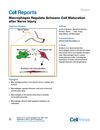
September 2018 in “Cell Reports”
130 citations
,
September 2018 in “Cell Reports” Macrophages help heal nerves by aiding the maturation of Schwann cells and are important for nerve repair.
 4 citations
,
March 2017 in “Al-Mi’galaẗ al-sa'udiyaẗ lī-ulum al-ḥayaẗ”
4 citations
,
March 2017 in “Al-Mi’galaẗ al-sa'udiyaẗ lī-ulum al-ḥayaẗ” Leonuri Herba alkaloids may help treat hormone-induced enlarged prostate in rats.
RNA-based treatments show promise for managing Hutchinson-Gilford Progeria Syndrome.
January 2004 in “Anticancer Research” Long-term antiandrogen use may increase aggressive prostate cancer risk.
 7 citations
,
January 2018 in “Neurodegenerative Diseases”
7 citations
,
January 2018 in “Neurodegenerative Diseases” Researchers found a new ABCD1 gene mutation linked to a rare brain and nerve disorder with unusual brain changes.
 February 2024 in “Health Sciences”
 Botulinum neurotoxin A is effective and safe for treating various conditions, but more clinical trials are needed to fully assess its benefits and risks.

Early NAS level changes affect alcohol consumption vulnerability.
July 2025 in “Journal of Investigative Dermatology” AI-09 is safe, effective, and reduces wrinkles for up to 6 months.
6 citations
,
August 2022 in “International journal of molecular sciences” α-Phellandrene may help prevent hair loss by increasing growth factors and cell growth in hair cells through a specific signaling pathway.
 December 2025 in “Frontiers in Immunology”
 Restoring nerve-macrophage communication may help treat autoimmune diseases.
14 citations
,
December 2001 in “Journal of autoimmunity” Rats can develop an immune response to prion protein peptides, but it may cause severe skin issues in older rats.
March 2017 in “Zenodo (CERN European Organization for Nuclear Research)” L. plantarum MTCC 1325 may help improve memory and cognitive functions in Alzheimer's.
 May 1981 in “Inpharma (Balgowlah)”
 Medroxyprogesterone acetate improved sleep apnea symptoms in some obese patients.
March 2024 in “European Journal of Neuroscience” Dopaminergic neurons in the gut have diverse subtypes with different neurotransmitter contents.
 27 citations
,
January 2017 in “Neuropsychopharmacology”
27 citations
,
January 2017 in “Neuropsychopharmacology” The enzyme 5α-reductase is key in causing psychotic-like effects from sleep deprivation.
 26 citations
,
May 2014 in “BioEssays”
26 citations
,
May 2014 in “BioEssays” Using neurohormones to control keratin can lead to new skin disease treatments.
 1 citations
,
June 2023 in “Reproduction”
1 citations
,
June 2023 in “Reproduction” Microglia, the brain's immune cells, may contribute to Polycystic Ovary Syndrome (PCOS) by altering the female brain's structure and function, with kisspeptin neurons and GABA neurotransmitters also playing a role.
 110 citations
,
August 2015 in “Neuropsychopharmacology”
110 citations
,
August 2015 in “Neuropsychopharmacology” High-dose dutasteride reduces PMDD symptoms by stabilizing neurosteroid levels.