 1 citations
,
May 2025 in “The Journal of Rheumatology”
1 citations
,
May 2025 in “The Journal of Rheumatology” Anifrolumab helped some lupus patients reduce steroid use, but safety concerns remain.
 1 citations
,
May 2025 in “The Journal of Rheumatology”
1 citations
,
May 2025 in “The Journal of Rheumatology” Upadacitinib may help treat difficult cases of systemic lupus erythematosus.
 1 citations
,
January 2024 in “Theranostics”
1 citations
,
January 2024 in “Theranostics” Exosomes show promise for future tissue regeneration.
 1 citations
,
June 2023 in “Advances in therapy”
1 citations
,
June 2023 in “Advances in therapy” Ripretinib is effective and safe for treating advanced GIST in Chinese patients, particularly for non-gastric GISTs.
 1 citations
,
January 2019 in “Elsevier eBooks”
1 citations
,
January 2019 in “Elsevier eBooks” Neuroactive steroids may affect the risk and treatment of alcohol use disorders.
 March 2026 in “RS Global journals (RS Global Sp. z O.O.)”
 Finasteride is effective for hair loss and prostate issues but may cause lasting side effects.
 March 2026 in “Scientific Reports”
 Nearly half of the patients had Long COVID, leading to health and work issues, especially in high-risk groups.
 March 2026 in “Folia Histochemica et Cytobiologica”
 LTBP1 is a key regulator in diseases and a potential target for new treatments.
 February 2026 in “Psycho-Oncologie”
 Alopecia areata causes significant psychological distress in cancer patients, needing integrated care.

Combining psychodermatology and PRP therapy can improve skin condition treatment by addressing both mental and physical health.
 May 2025 in “The Journal of Rheumatology”
 A woman with skin and joint issues progressed from one type of lupus to another, highlighting the need to recognize complex conditions.
 May 2025 in “The Journal of Rheumatology”
 Early diagnosis and treatment are crucial for CAPS, and Eculizumab can be effective.
 May 2025 in “The Journal of Rheumatology”
 Trans-esophageal echocardiography is crucial for accurately diagnosing heart issues in lupus patients.
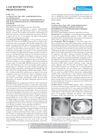 May 2025 in “The Journal of Rheumatology”
 Chronic granulomatous disease may be linked to developing systemic lupus erythematosus.
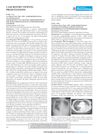 May 2025 in “The Journal of Rheumatology”
 Proactive physical therapy improved mobility, reduced fatigue, and pain in lupus patients.
 May 2025 in “The Journal of Rheumatology”
 Mixed Connective Tissue Disease can develop from overlapping symptoms of several autoimmune diseases, making diagnosis complex.
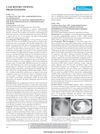 May 2025 in “The Journal of Rheumatology”
 Anti-CD19 therapy may help treat SLE and NMOSD.
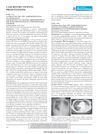 May 2025 in “The Journal of Rheumatology”
 Purpura fulminans can signal underlying autoimmune disorders, not just infections.
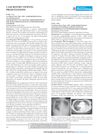 May 2025 in “The Journal of Rheumatology”
 Atypical symptoms in lupus can indicate different kidney issues.
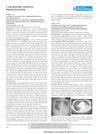 May 2025 in “The Journal of Rheumatology”
 Middle-aged women with dilated cardiomyopathy should be screened for antiphospholipid syndrome.
 May 2025 in “The Journal of Rheumatology”
 Early recognition and a team approach are crucial for managing diffuse alveolar hemorrhage in antiphospholipid syndrome.
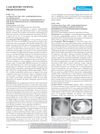 May 2025 in “The Journal of Rheumatology”
 Antiphospholipid syndrome can severely damage adrenal glands, requiring early diagnosis and treatment.
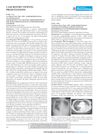 May 2025 in “The Journal of Rheumatology”
 SLE can cause unusual gastrointestinal symptoms, and immunosuppressive therapy can be effective.
Survivors of severe COVID-19 need ongoing care to manage lasting health issues.
 January 2025 in “Trepo - Institutional Repository of Tampere University”
 Alopecia areata significantly harms women's self-image, causing reduced confidence and social isolation.
 July 2024 in “ADMET & DMPK”
 Surface-modified nanostructured lipid carriers can improve hair growth treatments.
 February 2024 in “BioMetals”
 Heavy metals like arsenic, cadmium, and lead can increase cancer risk and worsen outcomes.
 June 2023 in “International journal of biology, pharmacy and allied sciences”
 New medications are improving depression treatment, emphasizing accurate diagnosis and chronic care.
 June 2023 in “LA Referencia (Red Federada de Repositorios Institucionales de Publicaciones Científicas)”
 Home photobiomodulation therapy can improve life quality and mobility for disabled individuals.

There is no cure for myotonic dystrophy type 1, so treatment focuses on managing symptoms and complications.