Search
for
Sort by
Research
480-510 / 1000+ resultsresearch Madarosis and Facial Alopecia Presumed Secondary to Botulinum A Toxin Injections
Botulinum A toxin injections may cause hair loss on the face and loss of eyelashes.
research Understanding, recognizing, and managing toxicities of targeted anticancer therapies
Targeted anticancer therapies can cause severe side effects similar to traditional chemotherapy, but with different types.
research Progesterone Pretreatment Enhances Serotonin-Stimulated BDNF Gene Expression in Rat C6 Glioma Cells Through Production of 5α-Reduced Neurosteroids
research The neurosteroid environment in the hippocampus exerts bi-directional effects on seizure susceptibility in mice
Neurosteroids in the brain can increase or decrease seizure risk in mice.
research Mitochondrial dysfunction in diabetic neuropathy may be involved in the development of neuropathic pain via a reduction in neurosteroid synthesis
Mitochondrial problems in diabetic nerve damage might cause pain by lowering the production of certain nerve-related steroids.

research Anhidrotic effect of intradermal injections of botulinum toxin—A comparison of different products and concentrations
Different botulinum toxin products and concentrations can effectively reduce sweating, itching, bladder pressure, hair loss, and muscle spasms.

research Adverse cutaneous effects of psychotropic medications
Psychotropic medications can cause skin problems, including serious conditions, and patients should be monitored closely.
research Non-Rash Skin Toxicities Associated with Novel Targeted Therapies
Early recognition and management of skin side effects from new cancer therapies can prevent treatment delays.

research Thallium poisoning: Clinical observations through two outbreaks in Basrah
Thallium poisoning can cause hair loss, skin rashes, and nerve damage, and can be fatal if not correctly diagnosed and treated.
research Gene and tonic: Sonic hedgehog disruption and fetal alcohol syndrome

research Botulinum Toxins in Medical and Cosmetic Dermatology
Botulinum toxins are safe for various medical and cosmetic uses, but more research is needed for long-term safety and effectiveness in hair growth treatments.
research Acute Encephalomyelitis Syndromes Associated with H1N1 Influenza Vaccinations; Erythema Multiforme Secondary to H1N1 Vaccine; Cytolytic Hepatitis Possibly Related to Oral Contraceptives; Drug Rash with Eosinophilia and Systemic Symptoms (DRESS) Syndrome Associated with Lamotrigine: First Report; Behavioral Disinhibition with Baclofen; Minoxidil-Induced Trichostasis Spinulosa of Terminal Hair; Delayed-Onset Mirtazapine-Related Leukopenia
Various medications and vaccines can cause serious side effects.
research Clinical Manifestations and Management of Acute Thallium Poisoning
Thallium poisoning causes pain, hair loss, and nerve issues, treatable with hemoperfusion and hemodialysis.
research TERAPINĖS BOTULINO NEUROTOKSINO A PANAUDOJIMO GALIMYBĖS
Botulinum neurotoxin A is effective and safe for treating various conditions, but more clinical trials are needed to fully assess its benefits and risks.
research Alopecia and Associated Toxic Agents: A Systematic Review
Thallium, mercury, selenium, and colchicine strongly cause hair loss.
research 11β-Hydroxylase inhibitors protect against seizures in mice by increasing endogenous neurosteroid synthesis
11β-Hydroxylase inhibitors help prevent seizures in mice by boosting natural neurosteroid production.
research Finasteride Induced Clinical Ocular Toxicity

research Peripheral neuropathy associated with tofacitinib use in alopecia universalis
A patient developed nerve problems as a side effect of a hair loss treatment called tofacitinib.
research Dermatologic Side Effects of Psychotropic Medications
Psychotropic medications can cause skin reactions, including severe conditions like SJS and TEN, and it's important for psychiatrists to recognize and manage these side effects.

research Amiodarone-Induced Toxic Epidermal Necrolysis; Nilotinib-Associated Cerebrovascular Disease and Stroke; Pisa Syndrome Caused by Paliperidone; Macroglossia Associated with Methylprednisolone; Aromatase Inhibitor-Induced “Male Pattern Baldness” in Women? Acute Liver Failure Due to Etodolac
Certain medications can cause serious side effects, including skin reactions, stroke, muscle disorders, tongue swelling, hair loss in women, and liver failure.
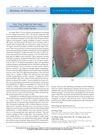
research Fatal Toxic Epidermal Necrolysis Associated With Cetuximab in a Patient With Colon Cancer
A cancer patient died from a severe skin reaction after taking the drug cetuximab.
research Anthelminthic drugs
Some people have severe allergic reactions to anthelminthic drugs, but these are often due to the parasites, not the drugs.

research Glycol Ethers and Neurodevelopment: Investigating the Impact of Prenatal Exposures
Exposure to certain glycol ethers during pregnancy may be linked to lower verbal comprehension in children.
research Hyperammonemic encephalopathy without hepatic dysfunction due to treatment with valproate: four cases and a mini review
Valproate can cause brain swelling with high ammonia levels, possibly underreported, especially in psychiatric patients.
research Therapeutic Use of Botulinum Neurotoxins in Dermatology: Systematic Review
Botulinum toxins effectively treat excessive sweating and may help with other skin conditions, but more research is needed.

research Neurosteroidogenesis Today: Novel Targets for Neuroactive Steroid Synthesis and Action and Their Relevance for Translational Research
New targets for making and using brain-synthesized steroids could lead to better treatments for brain disorders and alcoholism.
research Panel Session
Long-term alcohol exposure alters brain receptor function differently in various brain regions.

research Multiple sclerosis disease-modifying therapies: adverse effect surveillance and management
The document concludes that managing side effects of MS therapies is crucial for treatment success and patient adherence.
research Neurotrichosis: Hair‐shaft Abnormalities associated with Neurological Diseases
Hair-shaft abnormalities can indicate neurological disorders, some of which are treatable.