January 2023 in “Odisha Journal of Psychiatry” Thorough patient interviews are crucial to identify self-inflicted hair loss.
6 citations
,
January 2011 in “European Journal of Dermatology” It's important to consider genetic hair disorders when diagnosing hair loss.
6 citations
,
October 2006 in “International Journal of Dermatology” Hair splitting and nail detachment are linked conditions.
July 2025 in “Actas Dermo-Sifiliográficas” Trichodynia is a challenging scalp condition to treat, needing gentle care and more research for better solutions.
 38 citations
,
July 1998 in “Journal of surgical oncology”
38 citations
,
July 1998 in “Journal of surgical oncology” A woman with breast cancer developed a rare condition causing excessive fine hair growth on her face and body.
18 citations
,
September 1994 in “Clinical and Experimental Dermatology” Localized trichorrhexis nodosa is a hair condition where hair becomes fragile and breaks easily due to damage.
 June 1995 in “Archives of Dermatology”
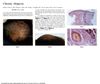
 A woman's hair loss was due to trichotillomania, which is often misdiagnosed and can require different treatments based on age and underlying conditions.
10 citations
,
January 1925 in “Archives of Dermatology” Trichostasis spinulosa is a rare skin condition with hair-filled plugs in hair follicles.
 9 citations
,
January 2013 in “Acta dermato-venereologica”
9 citations
,
January 2013 in “Acta dermato-venereologica” The conclusion is that "trichoknesis" should be recognized as a separate condition from trichodynia, characterized by itching instead of pain.
 April 2025 in “International Journal For Multidisciplinary Research”
 Hypertrichosis causes excessive hair growth and can be managed with treatments like laser, electrolysis, or new topical solutions.
 January 2023 in “Skin appendage disorders”
 Two Hispanic women developed Plica neuropathica, a condition causing tangled hair, possibly due to hair damage and various risk factors.
Trichorrhexis nodosa causes hair to break easily, often affecting young to middle-aged black women.
 8 citations
,
September 2021 in “Skin appendage disorders”
8 citations
,
September 2021 in “Skin appendage disorders” Trichotillomania treatment is most successful with a mix of behavioral therapy, medication, and social support.
2 citations
,
October 2015 in “The Journal of Dermatology” Early treatment of hair-pulling disorder is crucial to prevent permanent hair loss and scarring.
5 citations
,
March 1981 in “PubMed” A girl grew extra hair in areas where she had insect bites.
 2 citations
,
July 2005 in “Baylor University Medical Center Proceedings”
2 citations
,
July 2005 in “Baylor University Medical Center Proceedings” A 4-year-old girl was diagnosed with trichotillomania, a condition where she pulls out her hair, which may resolve on its own or require therapy.
 4 citations
,
January 2021 in “Skin appendage disorders”
4 citations
,
January 2021 in “Skin appendage disorders” Trichodynia is a painful scalp condition not directly linked to the amount or type of hair loss and may involve psychological factors, with treatments showing mixed results.
1 citations
,
January 2025 in “JAAD reviews.” Hypertrichosis involves excessive hair growth and needs careful diagnosis and treatment, considering its psychological effects.
10 citations
,
March 1997 in “Pediatric Dermatology” A rare case of trichothiodystrophy was found with autism, seizures, and mental retardation.
May 2005 in “Hair transplant forum international” Trichotemnomania causes hair loss due to compulsive hair cutting or shaving.
 January 2017 in “International journal of science and research”
 Trichotillomania is a chronic hair-pulling disorder, more common in females, treated with therapy and sometimes medication.
 May 2017 in “InTech eBooks”
 Hair pulling disorder is treated with therapy and medication; hair loss from tension can be reversed if caught early.

A 14-year-old girl with a condition that makes her hair easy to pull out also has a hair-pulling disorder, and treatment helped but she relapsed after a year.
January 2026 in “Clinical Case Reports” A 6-year-old girl had both monilethrix and trichorrhexis nodosa, causing brittle hair, with minimal improvement from treatment.
26 citations
,
April 2007 in “Journal of clinical oncology”  August 2021 in “Acta medica Philippina”
 A girl's hair loss was found to be caused by both a hair-pulling disorder and another hair loss condition.
February 2025 in “International Journal of Clinical & Experimental Dermatology” Trichotillomania in children is a sign of emotional distress needing tailored treatment and family support.
2 citations
,
July 2019 in “Indian dermatology online journal” A 17-year-old girl and her brothers have a rare hair condition with long eyelashes, thick eyebrows, and easily pluckable hair.
 13 citations
,
June 2012 in “Journal of Dermatological Case Reports”
13 citations
,
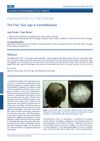
June 2012 in “Journal of Dermatological Case Reports” An 8-year-old boy with hair-pulling disorder had a bald patch that was confirmed not to be a fungal infection and was treated with therapy.
 2 citations
,
June 2016 in “PubMed”
2 citations
,
June 2016 in “PubMed” An 11-year-old girl with compulsive hair pulling was successfully treated with therapy and medication.