Search
for
Sort by
Research
720-750 / 1000+ results
research Effect of Aloe vera and Mentha piperita Combination Serum on CDK1 and CDC25 Expression in Chemotherapy-Induced Alopecia Rats
The combination of mint and Aloe vera serum may help reduce hair loss from chemotherapy.
research Oleanolic acid alleviates stress-induced alopecia via modulating brain-skin axis: Neuroprotection and dermal papilla cell senescence
research 640 Exploring the synergic effects of a plant and a peptide on hair follicle pigmentation
The combination of a plant extract and a peptide can increase hair pigmentation and may reverse greying.
research 558 Impact of a stimulating cream shampoo treatment on the penetration of minoxidil through hair follicles
Using a stimulating cream shampoo before applying Minoxidil helps it penetrate hair follicles better, enhancing its hair growth-promoting effect.
research Green Tea for Hair Growth
Green tea in shampoo can help hair grow, get stronger, control dandruff, and is good for fine hair.
research Comparison of wiping methods for the removal of cleaning agent residue from hair follicles
All wiping methods are as effective as washing for removing cleaning agent from hair.

research The Effect of Anu Taila Nasya with Shiro Abhyanga and Iron Supplementation in the Management of Khalitya (Hair Loss): An Ayurvedic Single Case Report
An Ayurvedic approach with Anu Taila Nasya, Shiro Abhyanga, and iron supplements effectively reduces hair loss.
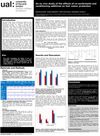
research An ex vivo study of the effects of co-surfactants and conditioning additives on hair colour protection
Certain ingredients can help protect hair color.
research Reconnection of cysteine in reduced hair with alkylene dimaleates via thiol‐Michael click chemistry
A new method using 1,4-n-butylene dimaleate effectively repairs and strengthens damaged hair.
research Monilethrix
A three-year-old girl has hair loss despite treatment with selenium sulfide shampoo and anti-fungal medication.
research Pengaruh Variasi Konsentrasi Sodium Lauril Sulfat Sebagai Surfaktan Pada Sampo Ekstrak Etanol Daun Randu (Ceiba Petandra Gaertn) Terhadap Sifat Fisik Yang Dihasilkan
The shampoo with 10% SLS had the best physical properties.
research Lactiplantibacillus plantarum lysate isolated from green tea leaves alleviates the effects of Malassezia restricta on primary human scalp cells
Lactiplantibacillus plantarum lysate from green tea may help treat scalp seborrheic dermatitis.

research Scanning Electron Microscopy and X-ray Microanalysis of Reconstructive Hair Fibers.
All five hair fiber products improved appearance but didn't stick to completely bald areas.
research Action of Thioglycolic Acid and L-Cysteine to Disulfide Cross-Links in Hair Fibers during Permanent Waving Treatment
Thioglycolic acid and L-cysteine change hair structure differently during perms, affecting hair strength and curling efficiency.

research The Effect of Anu Taila Nasya with Shiro Abhyanga and Iron Supplementation in the Management of Khalitya (Hair Loss): An Ayurvedic Single Case Report
An Ayurvedic approach with Anu Taila Nasya, Shiro Abhyanga, and iron supplements effectively reduces hair loss.
research Scale-Up of a Medicinal and Aromatic Plant-Based Shampoo Formulation: Physicochemical Quality, Microbiological Safety, and Stability Analyses
The plant-based shampoo was successfully scaled up for industrial production while maintaining quality and safety.
research Effects of chemical structures of polycarboxylic acids on molecular and performance manipulation of hair keratin
A non-toxic formula using polycarboxylic acids strengthens and improves hair.
research Bioinspired peptides designed for hair perming and dyeing with potential for repair
PepACS offers a safer, eco-friendly way to perm, dye, and repair hair.
research Pathogenesis and treatment options for chemotherapy‐induced alopecia: a systematic review
Scalp cooling is the most effective FDA-approved method to prevent chemotherapy-induced hair loss, but more research is needed for other treatments.
research Pharmacotherapy for diffuse alopecia
Selencin effectively reduces hair loss and improves hair health in diffuse alopecia.
research OPTIMIZATION AND PERFORMANCE ASSESSMENT OF HERBAL HAIR COLORING AGENT BY USING BERLERIA PRIONITIS
The herbal hair dye with Barleria prionitis is a safe, effective, and natural alternative to chemical dyes.
research Bioinspired Melanoidin–Polyphenol nanocomplex for hair protection and mechanical reinforcement with antioxidant activity
The nanocomplex protects hair from UV damage and strengthens it.
research Natural Product-Inspired Bis(trifluoromethyl) Phenyl Hydroxycinnamate Derivatives as Promising Nonsteroidal Inhibitors of Human Steroid 5α-Reductase Type-1: Synthesis, In Vitro, and In Silico Studies
New compounds show promise as nonsteroidal treatments for hair loss.
research Nε-(carboxymethyl) lysine represses hair follicle formation by inhibiting Sonic hedgehog expression in a NF-κB-independent manner
Nε-(carboxymethyl) lysine delays hair growth by blocking a key protein.

research Can plant‐derived phytochemicals provide symptom relief for hair loss? A critical review
Some plant-based chemicals may help with hair growth, but more research is needed to confirm their effectiveness.
research Hair Growth Promotion by Extracts of Inula Helenium and Caesalpinia Sappan Bark in Patients with Androgenetic Alopecia: A Pre-clinical Study Using Phototrichogram Analysis
Shampoo with Inula Helenium and Caesalpinia Sappan Bark extracts promotes hair growth and prevents hair loss in androgenetic alopecia patients.
research The Effects of the Chemical Relaxer Lye on Hair Cortisol Concentrations
Lye relaxers don't significantly change hair cortisol levels.

research Measurement of the physicochemical, performance, and consumer-information characteristics of commercial nonmedicated shampoo for dogs
Commercial dog shampoos vary in quality and characteristics.
research In vitro evaluation of changes of hair fibers subjected to oxidation-reductive straighteners associated with dyeing
Straightening and dyeing damage hair structure.