 11 citations
,
September 2012 in “The journal of investigative dermatology/Journal of investigative dermatology”
11 citations
,
September 2012 in “The journal of investigative dermatology/Journal of investigative dermatology” A mutation in the KRT71 gene causes a hair disorder by disrupting hair follicle structure and texture.
37 citations
,
August 2024 in “Current Issues in Molecular Biology” Keratins 6, 16, and 17 increase in damaged or diseased skin and may help diagnose skin issues.
Toxins can disrupt skin stem cell balance, causing skin overgrowth or ulceration.
37 citations
,
January 2010 in “Human Molecular Genetics” FTase and GGTase-I are essential for skin keratinocyte health.
29 citations
,
April 2003 in “Experimental dermatology” Human hair follicles grown in vitro maintain normal keratin patterns and structure.
September 2024 in “Journal of the American Academy of Dermatology” Most U.S. keratinocyte carcinoma patients are older white males living in urban areas.
10 citations
,
October 2018 in “JDDG Journal der Deutschen Dermatologischen Gesellschaft” Most skin conditions in Down syndrome are benign and involve dry or thickened skin.
8 citations
,
January 2006 in “Dermatology Online Journal” The girl's skin condition is benign but challenging to treat due to its size and location.
32 citations
,
May 1986 in “Archives of Dermatology” The condition is likely inherited in an autosomal-dominant pattern.
Ribonucleotide excision repair is crucial to prevent skin cancer.
44 citations
,
August 2004 in “Journal of Investigative Dermatology” A gene deletion in DSG4 causes sparse hair in some Pakistani families.
128 citations
,
February 1992 in “British Journal of Dermatology” Basal cell carcinomas likely originate from hair follicle cells or stem cells.
 July 2023 in “British journal of dermatology/British journal of dermatology, Supplement”
 HPV8 E6 gene causes growth of certain skin stem cells.
April 2012 in “Journal of evolution of medical and dental sciences” No effective treatment exists to stimulate hair growth in atrichia with papular lesions.
22 citations
,
October 1996 in “Dermatologic clinics” Understanding intermediate filaments helps explain hair health and related diseases.
August 2023 in “Journal of Investigative Dermatology” Senescent melanocytes in nevus skin boost hair growth.
3 citations
,
March 2019 in “European Journal of Dermatology” A specific gene mutation (Y449H in K10) was found in a patient with severe skin disorder.
 9 citations
,
May 2013 in “JAMA Dermatology”
9 citations
,
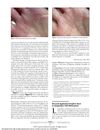
May 2013 in “JAMA Dermatology” Sunlight exposure improved a patient's skin condition, and there may be a link between a certain disease and skin growths; a leukemia treatment caused changes in hair color and growth.
40 citations
,
November 1966 in “Archives of Dermatology” Trichorrhexis nodosa is mainly caused by hair trauma and improves with gentler hair care.
January 2017 in “대한미용학회지” The cuticle layer in hair follicles thickens during keratinization due to incomplete cytosol loss.
 1 citations
,
August 2012 in “Journal der Deutschen Dermatologischen Gesellschaft”
1 citations
,
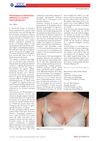
August 2012 in “Journal der Deutschen Dermatologischen Gesellschaft” A woman's hyperandrogenism was caused by a genetic mutation leading to non-classic adrenogenital syndrome.
 21 citations
,
January 2018 in “PLoS Genetics”
21 citations
,
January 2018 in “PLoS Genetics” Certain genetic variants in keratins increase the risk of tooth decay.
 April 2017 in “Journal of Investigative Dermatology”
 Triptolide effectively and safely reduces actinic keratosis lesions in mice.
July 2024 in “Journal of Investigative Dermatology” Hair follicles are crucial for maintaining skin barrier function.
September 2025 in “British Journal of Dermatology” 9 citations
,
January 2012 in “International journal of trichology” Trichostasis spinulosa can be diagnosed with a simple skin biopsy and treated with specific gels, but lesions may return after stopping treatment.
 July 2010 in “Journal of Investigative Dermatology”
 Scientists found gene mutations that affect hair loss, skin stem cells, and skin disorders, and identified drugs that may help treat blood vessel and skin conditions.
13 citations
,
December 2005 in “Dermatologic surgery” Er:YAG laser therapy is not effective for widespread facial eruptive vellus hair cysts due to recurrence and side effects.
6 citations
,
August 2011 in “Anais Brasileiros de Dermatologia” Vellus hair cysts can cause acne-like bumps that don't respond to treatment.
1 citations
,
May 2022 in “International journal of molecular sciences” Faulty LEF1 activation causes faster skin cell differentiation in premature aging syndrome.