 6 citations
,
September 1990 in “International Journal of Gynecology & Obstetrics”
6 citations
,
September 1990 in “International Journal of Gynecology & Obstetrics” The skin condition PUPP usually gets better on its own after giving birth and is unlikely to happen again in future pregnancies.
 5 citations
,
April 2007 in “Expert Review of Dermatology”
5 citations
,
April 2007 in “Expert Review of Dermatology” Dermatologists can help detect and manage eating disorders by recognizing skin changes.
 March 2019 in “Journal der Deutschen Dermatologischen Gesellschaft”
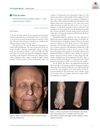
 Rothmund-Thomson syndrome type 2 can cause chronic, poorly healing wounds.
 27 citations
,
June 2023 in “Nature”
27 citations
,
June 2023 in “Nature” Senescent melanocytes can boost hair growth by activating hair stem cells.
 131 citations
,
July 2009 in “Experimental Dermatology”
131 citations
,
July 2009 in “Experimental Dermatology” The document concludes that specific cells are essential for hair growth and more research is needed to understand how to maintain their hair-inducing properties.
 9 citations
,
February 2022 in “Nature communications”
9 citations
,
February 2022 in “Nature communications” Rare changes in the KRT82 gene are linked to a higher risk of Alopecia Areata.
 21 citations
,
June 2020 in “Dermatologic Therapy”
21 citations
,
June 2020 in “Dermatologic Therapy” The COVID-19 pandemic led to fewer dermatology visits and changed the types of skin conditions patients experienced.
 15 citations
,
December 2016 in “Obstetrics & Gynecology”
15 citations
,
December 2016 in “Obstetrics & Gynecology” Most skin changes during pregnancy are harmless and moles don't significantly change, but many women experience pigmentation changes due to hormones and sun exposure.
 13 citations
,
December 2020 in “Dermatologic Therapy”
13 citations
,
December 2020 in “Dermatologic Therapy” Sebaceous glands in our skin, developing during pregnancy and active in puberty, produce sebum for skin lubrication, temperature control, and fighting germs, also help in hormone regulation, and their dysfunction can cause conditions like acne and hair loss.
 7 citations
,
March 2017 in “Journal of dermatology”
7 citations
,
March 2017 in “Journal of dermatology” The conclusion is that accurately identifying folliculosebaceous tumors requires understanding their clinical signs and microscopic features.
 1 citations
,
September 2011 in “Journal of Dermatology”
1 citations
,
September 2011 in “Journal of Dermatology” A woman with a new PTCH gene mutation has both Gorlin syndrome and severe hair loss.
 January 2025 in “Dermatology Practical & Conceptual”
 Perinevoid alopecia can be effectively treated with non-invasive corticosteroids.
 June 2008 in “Springer eBooks”
 The document concludes that permanent hair loss conditions are complex, require early specific treatments, and "secondary permanent alopecias" might be a more accurate term than "secondary cicatricial alopecia."
 March 1996 in “Journal of The American Academy of Dermatology”
 The book is a useful guide for learning about chemical peels, with practical information for all skill levels.
 98 citations
,
July 2014 in “Trends in Molecular Medicine”
98 citations
,
July 2014 in “Trends in Molecular Medicine” Hair follicles are hormone-sensitive and involved in growth and other functions, with potential for new treatments, but more research is needed.
 2 citations
,
October 2016
2 citations
,
October 2016 Chemotherapy and radiotherapy can cause skin side effects like rashes, hair loss, and nail changes, which are usually managed with conservative treatments.
 January 2026 in “Clinical Cosmetic and Investigational Dermatology”
 Early diagnosis and targeted anti-inflammatory treatments can improve outcomes in androgenetic alopecia with perifollicular inflammation and fibrosis.
 September 2004 in “Experimental dermatology”
 Melatonin directly affects mouse hair follicles and may influence hair growth.
 67 citations
,
December 2009 in “Stem Cells”
67 citations
,
December 2009 in “Stem Cells” β-Catenin signaling is involved in brain cell growth after injury and could be a therapy target.
 105 citations
,
September 1995 in “Journal of The American Academy of Dermatology”
105 citations
,
September 1995 in “Journal of The American Academy of Dermatology” Recombinant cytokine therapy can cause skin reactions ranging from mild to severe.
 97 citations
,
July 2006 in “Dermatologic therapy”
97 citations
,
July 2006 in “Dermatologic therapy” The document concludes that accurate diagnosis and personalized treatment are important for skin problems in women with PCOS.
 60 citations
,
May 2015 in “Archives of dermatological research”
60 citations
,
May 2015 in “Archives of dermatological research” PPAR agonists show promise for skin conditions but need more research before being a main treatment.
 44 citations
,
August 2010 in “Lupus”
44 citations
,
August 2010 in “Lupus” Lupus can affect the scalp and nails, often causing hair loss and nail damage, and needs early aggressive treatment to prevent permanent damage.
 41 citations
,
December 2015 in “Journal of the European Academy of Dermatology and Venereology”
41 citations
,
December 2015 in “Journal of the European Academy of Dermatology and Venereology” The conclusion is that a new biopsy technique and humidity chamber help study skin mites better and suggest mite overpopulation may cause skin diseases.
 28 citations
,
February 2010 in “British journal of dermatology/British journal of dermatology, Supplement”
28 citations
,
February 2010 in “British journal of dermatology/British journal of dermatology, Supplement” WNT10A mutations cause varied symptoms in patients with odonto-onycho-dermal dysplasia.
 26 citations
,
December 2011 in “Journal of Investigative Dermatology”
26 citations
,
December 2011 in “Journal of Investigative Dermatology” New gene identification techniques have improved the understanding and classification of inherited hair disorders.
 25 citations
,
August 2010 in “Journal of Biological Chemistry”
25 citations
,
August 2010 in “Journal of Biological Chemistry” Nuclear Factor I-C is important for controlling hair growth by affecting the TGF-β1 pathway.
 24 citations
,
January 2008 in “KARGER eBooks”
24 citations
,
January 2008 in “KARGER eBooks” The document concludes that ongoing research using animal models is crucial for better understanding and treating Alopecia Areata.
 22 citations
,
June 2012 in “Journal of Investigative Dermatology”
22 citations
,
June 2012 in “Journal of Investigative Dermatology” Adiponectin may stimulate hair growth and could be a potential treatment for promoting hair growth.
 18 citations
,
January 2004 in “Dermatologic Clinics”
18 citations
,
January 2004 in “Dermatologic Clinics” Skin problems in older people can indicate hormonal diseases, nutritional deficiencies, or conditions like diabetes, menopause, and HIV.