11 citations
,
November 2015 in “Carcinogenesis” Deleting TNFα gene reduces skin cancer risk in certain mice.
 5 citations
,
September 2021 in “Journal of The American Academy of Dermatology”
5 citations
,
September 2021 in “Journal of The American Academy of Dermatology” Most men with Frontal fibrosing alopecia also lose facial hair and the condition may be linked to hormone levels and sunscreen use.
July 2026 in “Cosmoderma” Tapering and stopping tofacitinib may be possible for young alopecia areata patients.
 23 citations
,
December 2013 in “British Journal of Dermatology”
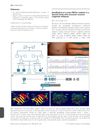
23 citations
,
December 2013 in “British Journal of Dermatology” A new gene mutation linked to a skin condition was found in a Spanish family.
 3 citations
,
January 2024 in “Liver International”
3 citations
,
January 2024 in “Liver International” Targeting thyroid hormone receptor α in liver cells may help treat liver fibrosis.
 8 citations
,
May 2017 in “IUBMB life”
8 citations
,
May 2017 in “IUBMB life” Astrotactin proteins are important for brain and skin development and are linked to several neurodevelopmental disorders.
 February 2011 in “Annales de dermatologie et de vénéréologie”
 Tofacitinib shows promise for treating severe alopecia areata with good safety and effectiveness.
1 citations
,
June 2024 in “Skin Research and Technology” Human dermal fibroblast proteins help restore nerves during healing.
January 2023 in “Toxicological Research”  4 citations
,
May 2021 in “Biomedicines”
4 citations
,
May 2021 in “Biomedicines” Targeting the protein Caveolin-1 might help treat a type of scarring hair loss called Frontal Fibrosing Alopecia.
 62 citations
,
October 2017 in “JAMA facial plastic surgery”
62 citations
,
October 2017 in “JAMA facial plastic surgery” Condensed nanofat with fat grafts effectively improves atrophic facial scars.
17 citations
,
July 2022 in “BMC Genomics” The FA2H gene improves cashmere fineness by enhancing hair growth in goats.
 January 2026 in “Annals of Clinical Endocrinology and Metabolism”
 Restoring NAD⁺ may help with aging and chronic diseases, but more research is needed.
July 2019 in “Medical Science and Discovery” Early diagnosis and treatment can prevent or delay frontal fibrosing alopecia progression in postmenopausal women.
 34 citations
,
October 2004 in “Plastic and Reconstructive Surgery”
34 citations
,
October 2004 in “Plastic and Reconstructive Surgery” Nasolabial skin-fat grafts are good for nasal reconstruction with minimal scarring and no need for bolsters, but smoking may affect graft survival.
November 2025 in “Journal of Investigative Dermatology” 3 citations
,
June 2002 in “PubMed” Two sisters with Netherton's syndrome had skin and hair issues, needing special diet and ointments.
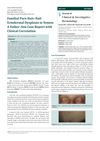 January 2026 in “Journal of Clinical and Investigative Dermatology”
 A father and son in Yemen have a genetic condition causing hair loss and nail problems.
May 2025 in “OPAL (Open@LaTrobe) (La Trobe University)” Targeting specific metabolic and ionic pathways may improve alopecia areata treatment.
August 2025 in “Cosmetics” Cosmeceuticals like sunscreens may trigger frontal fibrosing alopecia, but more research is needed.
16 citations
,
April 2021 in “Biomedicines” Ferulic acid helps wounds heal faster by reducing inflammation and promoting skin cell movement.
 April 2017 in “Journal of Investigative Dermatology”
 Eating a lot of fat increases PKCβ and inflammation in skin fat cells, which affects skin and hair health.
20 citations
,
March 1975 in “Journal of steroid biochemistry/Journal of Steroid Biochemistry” The study concludes that a genetic mutation in TFM mice leads to reduced androgen receptor activity, affecting the body's response to male hormones.
40 citations
,
July 2019 in “Journal of Investigative Dermatology” Lack of a key enzyme causes severe skin issues and death in mice.
 June 2026 in “World Journal of Clinical Pediatrics”
 Early diagnosis and tailored treatment improve outcomes for non-nutritional rickets.
 5 citations
,
August 2014 in “Journal of The American Academy of Dermatology”
5 citations
,
August 2014 in “Journal of The American Academy of Dermatology” Smoking doesn't cause or prevent Frontal Fibrosing Alopecia, hormonal imbalance may be involved, and a combination of antiandrogens and steroids can help stabilize the condition.
 103 citations
,
January 2011 in “Blood”
103 citations
,
January 2011 in “Blood” Thymus transplantation successfully restored immune function in infants with FOXN1 deficiency.
 166 citations
,
April 2012 in “Journal of The American Academy of Dermatology”
166 citations
,
April 2012 in “Journal of The American Academy of Dermatology” Mostly postmenopausal Caucasian women get Frontal Fibrosing Alopecia, which often includes eyebrow loss and has limited treatment success.
 1 citations
,
May 2017 in “Journal of the American Academy of Dermatology”
1 citations
,
May 2017 in “Journal of the American Academy of Dermatology” Oral tofacitinib may be an effective and tolerable treatment for some people with severe alopecia areata.
8 citations
,
July 2020 in “Dermatologic Therapy” Tofacitinib may effectively treat folliculitis decalvans.