 May 2015 in “Journal of the American Academy of Dermatology”
 Certain drugs and supplements may contribute to hair loss in the frontal hairline in older women.
July 2024 in “Journal of Controlled Release” Nanostructured lipid carriers effectively deliver tofacitinib to hair follicles, reversing hair loss in alopecia areata.
 23 citations
,
October 2018 in “Australasian Journal of Dermatology”
23 citations
,
October 2018 in “Australasian Journal of Dermatology” The current understanding of frontal fibrosing alopecia involves immune, genetic, hormonal factors, and possibly environmental triggers, but more research is needed for effective treatments.
2 citations
,
April 2025 in “Cells” Heat preconditioning does not improve nanofat's ability to form blood vessels.
January 2023 in “Zenodo (CERN European Organization for Nuclear Research)” An 8-year-old boy with neurofibromatosis type one also has rare hair and eye disorders.
8 citations
,
July 2017 in “The journal of investigative dermatology/Journal of investigative dermatology” Certain microRNAs might help identify and understand Frontal Fibrosing Alopecia.
A rare genetic mutation causes severe immune issues, hair loss, and nail problems.
 April 2019 in “The journal of investigative dermatology/Journal of investigative dermatology”
 848 genes related to fat and metabolism are less active in people with Central Centrifugal Cicatricial Alopecia.
 23 citations
,
January 2012 in “International Food Research Journal”
23 citations
,
January 2012 in “International Food Research Journal” Tofacitinib effectively treated a woman's severe symptoms from a rare autoimmune condition.
April 2026 in “Case Reports in Dermatology” Tofacitinib effectively treated a woman's complex autoimmune and autoinflammatory disorders.
28 citations
,
January 2023 in “Cell Transplantation” Nanofat with stem cells is promising for treating hair loss, scars, and skin rejuvenation.
 14 citations
,
June 2021 in “British journal of dermatology/British journal of dermatology, Supplement”
14 citations
,
June 2021 in “British journal of dermatology/British journal of dermatology, Supplement” Experts agreed on guidelines to improve research on Frontal Fibrosing Alopecia.
 April 2018 in “Journal of Investigative Dermatology”
 Fetuin A may increase collagen production and promote scarring.
 October 2018 in “InTech eBooks”
 The gene Foxn1 is important for hair growth, and understanding it may lead to new alopecia treatments.
Nod factor can trigger changes in legume root hairs with just one molecule.
41 citations
,
October 2001 in “Experimental Dermatology” The nude gene is important for skin and hair development.
68 citations
,
December 2010 in “The journal of investigative dermatology/Journal of investigative dermatology” HOXC13 is essential for hair and nail development by regulating Foxn1.
 33 citations
,
September 2017 in “Journal of clinical immunology”
33 citations
,
September 2017 in “Journal of clinical immunology” New treatments for immune disorders caused by FOXN1 deficiency are promising.
Introducing the OTC gene improved symptoms in mice with OTC deficiency.
258 citations
,
July 2005 in “Journal of lipid research” DGAT1 enzyme helps make diacylglycerols, waxes, and retinyl esters.
 March 2020 in “The journal of investigative dermatology/Journal of investigative dermatology”
 Suppressing very long chain fatty acids is linked to skin cancer.
 September 2024 in “Egyptian Journal of Medical Human Genetics”
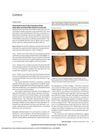
 Consider NF1 in newborns with rare congenital anomalies.
 41 citations
,
December 2015 in “JAMA Dermatology”
41 citations
,
December 2015 in “JAMA Dermatology” Tofacitinib citrate improved nail dystrophy and pain in patients with alopecia universalis without causing side effects.
10 citations
,
November 2021 in “PLoS ONE” The T allele of the PTPN22 gene may increase the risk of alopecia areata.
 November 2023 in “Journal of cosmetic dermatology”
 Fat transplants using a patient's own fat can rejuvenate and repair tissues effectively.
8 citations
,
July 2020 in “Clinical, cosmetic and investigational dermatology” Excessive sun protection might cause frontal fibrosing alopecia by disrupting skin immune balance.
 January 2025 in “Journal of Crohn s and Colitis”
 Tofacitinib is effective and safe for elderly patients with ulcerative colitis.
 July 2023 in “Indian Journal of Animal Health”
 FGF-5 promotes Cashmere goat hair growth by increasing keratin genes and reducing certain LncRNA and target genes.
7 citations
,
March 2022 in “International Journal of Molecular Sciences” FGF21 can help reduce skin inflammation caused by C. acnes.
 July 2022 in “Research Square (Research Square)”
 Lower PPARγ levels and specific gene variations are linked to more severe Frontal Fibrosing Alopecia.