January 1997 in “Journal of agricultural medicine and community health” Lower zinc and copper and higher cadmium in hair may be linked to non-insulin dependent diabetes.
1 citations
,
April 2022 in “The Journal of Urology” Both penicillamine and tiopronin have significant side effects, but trying the alternative drug can be beneficial if the first is not tolerated.
 5 citations
,
October 2012 in “CMAJ. Canadian Medical Association journal”
5 citations
,
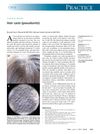
October 2012 in “CMAJ. Canadian Medical Association journal” The girl had harmless hair casts, not lice.
 1 citations
,
December 2022 in “Pediatric dermatology”
1 citations
,
December 2022 in “Pediatric dermatology” A boy developed a rare skin condition after recovering from a severe skin reaction, and it improved with lotion treatment.
6 citations
,
January 2000 in “The Journal of Trace Elements in Experimental Medicine” Zinc supplements effectively treat acrodermatitis enteropathica.
 33 citations
,
January 2007 in “Pediatric dermatology”
33 citations
,
January 2007 in “Pediatric dermatology” Hair thinning and loss in a girl with a rare metabolic disorder was linked to her condition.

Doctors should consider Netherton syndrome in patients with chronic skin and hair issues to avoid misdiagnosis.
 7 citations
,
July 1990 in “Journal of the American Academy of Dermatology”
7 citations
,
July 1990 in “Journal of the American Academy of Dermatology” A woman with bullous pemphigoid had an allergic reaction to azathioprine, but got better with alternative treatments.
January 2000 in “The Journal of Trace Elements in Experimental Medicine” Zinc supplementation effectively treats acrodermatitis enteropathica symptoms.
 April 2017 in “Journal of Investigative Dermatology”
 SB414 may be an effective treatment for atopic dermatitis by reducing swelling and bacterial infection.
59 citations
,
September 2021 in “Journal of Allergy and Clinical Immunology” Netherton syndrome has two subtypes with shared immune traits but different allergic and immune responses, suggesting targeted treatments.
 19 citations
,
February 2015 in “Contact dermatitis”
19 citations
,
February 2015 in “Contact dermatitis” Avoiding certain fragrances improved the man's skin condition.
 16 citations
,
August 2003 in “Journal of The American Academy of Dermatology”
16 citations
,
August 2003 in “Journal of The American Academy of Dermatology” Nitrogen mustard was not very effective for hair regrowth in alopecia areata and has potential skin cancer risk.
Naproxen can cause serious lung issues, but high-dose aspirin might be safer.
2 citations
,
February 2013 in “Journal of the Saudi Society for Dermatology & Dermatologic Surgery” New hair spray caused a hair shaft disorder.
 12 citations
,
July 1979 in “International Journal of Dermatology”
12 citations
,
July 1979 in “International Journal of Dermatology” A patient with zinc depletion improved after zinc supplementation during parenteral nutrition.
4 citations
,
January 2020 in “Skin appendage disorders” Toxic metals can cause hair loss and should be considered by doctors.
May 2021 in “The journal of investigative dermatology/Journal of investigative dermatology” Nicastrin deficiency may cause skin cell damage and pigmentation disorders in humans, similar to effects seen in fish.
1 citations
,
January 2017 in “Annals of dermatology/Annals of Dermatology” Mineral levels in hair don't significantly affect the severity of atopic dermatitis in children.
 July 2021 in “Clinical Medicine”
 Iron deficiency without anemia can cause itching and other skin-related symptoms, and iron supplements may help.
3 citations
,
January 2018 in “Skin Appendage Disorders” Nail issues are common in alopecia areata patients.
5 citations
,
December 2020 in “Materials Research Express” Silver nanoparticles from Ostericum koreanum may help treat allergies.
10 citations
,
August 2016 in “Dermatology Online Journal” Nilotinib can cause skin issues like red bumps and hair loss.
April 2025 in “Acta Dermato Venereologica” Accurate diagnosis is crucial to distinguish between allergy and irritation from topical minoxidil.
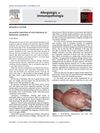 11 citations
,
October 2011 in “Allergologia et immunopathologia”
11 citations
,
October 2011 in “Allergologia et immunopathologia” A girl with Netherton syndrome was able to eat wheat without allergies after a special treatment.
June 2026 in “Journal of Cosmetic Dermatology” FFA patients have higher metal levels in hair, possibly linked to product use.
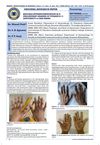 July 2021 in “PARIPEX INDIAN JOURNAL OF RESEARCH”
 Knuckle darkening can be an early sign of vitamin B12 deficiency.
April 2015 in “The FASEB Journal” Nitrogen mustard causes DNA damage and structural changes in mouse skin hair follicles, but some recovery occurs after 5 days.
25 citations
,
January 1992 in “International Journal of PIXE” Trace elements can impact health, causing issues like zinc deficiency, copper-related diseases, mercury and lead toxicity, and more.
 January 2004 in “Side effects of drugs annual”
 Certain skin drugs and topical agents, including some natural extracts and fragrances, can cause allergic reactions. Some hair dyes and extensions, as well as minoxidil, a hair growth treatment, can also cause allergies. Botulinum toxin A can effectively reduce sweat but may have temporary side effects.