8 citations
,
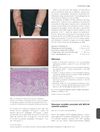
April 2017 in “American Journal of Dermatopathology” Inflammation may cause nail issues in Cronkhite–Canada Syndrome.
 28 citations
,
February 2010 in “British journal of dermatology/British journal of dermatology, Supplement”
28 citations
,
February 2010 in “British journal of dermatology/British journal of dermatology, Supplement” WNT10A mutations cause varied symptoms in patients with odonto-onycho-dermal dysplasia.
 February 2024 in “Journal of Investigative Dermatology”
 Deleting NIPP1 in mouse skin cells causes early aging and chronic skin issues.
 30 citations
,
September 2017 in “Clinics in Dermatology”
30 citations
,
September 2017 in “Clinics in Dermatology” Acanthosis nigricans is a skin condition that may indicate a higher risk for insulin resistance and type 2 diabetes, and more research is needed to understand and treat it.
January 2021 in “Dermatology online journal” One twin girl has Loose anagen syndrome with poorly anchored hair, diagnosed with a simple hair pull test, while her identical twin does not have the condition.
 5 citations
,
January 2012 in “International journal of trichology”
5 citations
,
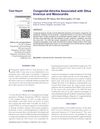
January 2012 in “International journal of trichology” A 2-year-old boy had no hair and unusual organ placement, and it's unclear if it's genetic or coincidental.
5 citations
,
January 2009 in “International Journal of Trichology” Two siblings had a rare hair condition with banded hair, which doesn't need treatment.
 18 citations
,
January 2011 in “International journal of trichology”
18 citations
,
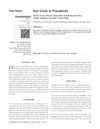
January 2011 in “International journal of trichology” Hair casts, also called pseudonits, are often mistaken for other conditions.
15 citations
,
March 1996 in “PubMed” Anorexia nervosa may cause a hair defect called pili torti due to malnutrition and high vitamin A levels.
January 2026 in “Indian Journal of Paediatric Dermatology” A rare case shows a possible link between Neurofibromatosis type 1 and Becker nevus due to genetic mutations.
 3 citations
,
December 2021 in “Frontiers in endocrinology”
3 citations
,
December 2021 in “Frontiers in endocrinology” A new mutation in the DCAF17 gene was found in a Chinese family, causing Woodhouse-Sakati syndrome and diabetes.
 April 2026 in “Diagnostics”
 Parry–Romberg Syndrome can involve the brain even without obvious symptoms, and a new diagnostic framework is suggested for early detection.
A rare genetic mutation causes Woodhouse-Sakati syndrome symptoms.
2 citations
,
February 2013 in “Journal of the Saudi Society for Dermatology & Dermatologic Surgery” New hair spray caused a hair shaft disorder.
 January 2023 in “Skin appendage disorders”
 Two Hispanic women developed Plica neuropathica, a condition causing tangled hair, possibly due to hair damage and various risk factors.
1 citations
,
February 2014 in “Italian journal of medicine” An 80-year-old woman with Cronkhite-Canada syndrome had multiple polyps and symptoms like diarrhea, hair loss, nail issues, and dark skin.
14 citations
,
March 2018 in “The American journal of case reports” People with the same genetic mutation for Woodhouse-Sakati syndrome can have different symptoms.
 August 2022 in “Frontiers in genetics”
 A new genetic change in the DSC3 gene is linked to a rare condition causing hair loss and skin blisters in a child.
38 citations
,
June 2005 in “International Journal of Dermatology” A man with nevus comedonicus syndrome had multiple skin issues, including basal cell carcinomas, which improved with treatment.
39 citations
,
September 2018 in “American Journal of Medical Genetics Part A” A new genetic mutation in the ODC1 gene causes developmental delay and other symptoms in a young girl.
January 2025 in “Indian Journal of Dermatopathology and Diagnostic Dermatology” Nevus sebaceous is identified by unique skin changes, including thickened skin, fewer hair follicles, and many sebaceous glands.
7 citations
,
February 2019 in “Veterinary medicine and science” An American Bully with a genetic skin condition improved significantly with specific topical treatments.
17 citations
,
July 1984 in “British journal of dermatology/British journal of dermatology, Supplement” The four patients have a unique type of ichthyosis affecting hair follicles.
13 citations
,
October 2003 in “Clinical pediatrics” Steroid treatment greatly improved the symptoms of a boy with a rare disorder called Satoyoshi syndrome.
December 2008 in “The Internet journal of surgery” A 16-year-old girl with a hair-eating disorder needed surgery to remove a hairball from her stomach and small bowel.
1 citations
,
January 2022 in “Annals of Dermatology” A new mutation in the MBTPS2 gene causes a mild form of IFAP syndrome.
40 citations
,
November 1966 in “Archives of Dermatology” Trichorrhexis nodosa is mainly caused by hair trauma and improves with gentler hair care.
 October 2022 in “JAAD case reports”
 A man with itchy skin lesions and weight loss was diagnosed with a rare skin condition linked to a pancreatic tumor.
 March 2012 in “Journal of The American Academy of Dermatology”
 Hand-foot-mouth disease may cause nail loss in children.
November 2024 in “JAAD Case Reports” A 21-month-old boy has a rare genetic disorder causing sparse hair due to an LSS gene mutation.