November 2025 in “Journal of Investigative Dermatology” TEC kinases may help cause inflammation in vitiligo and could be targeted for treatment.
 January 2025 in “Repository of the Academy's Library (Library of the Hungarian Academy of Sciences)”
 Nucleic acids trigger chemokine production in skin cells, affecting skin inflammation.
212 citations
,
August 2004 in “Proceedings of the National Academy of Sciences” Hair follicle cells can create new blood vessels in the skin.
26 citations
,
September 2023 in “Journal of Allergy and Clinical Immunology” Regulatory T cells help prevent autoimmunity and have potential for treating autoimmune diseases.
January 2011 in “Repository KITopen (Karlsruhe Institute of Technology)” Blocking certain proteins on immune cells may help treat alopecia areata.
 June 2026 in “Frontiers in Oncology”
 GSDMA deficiency slows skin cancer growth.
Skin cells can naturally limit the growth of cancerous changes by balancing cell renewal and differentiation.
 July 2026 in “International Journal of Stem Cells”
 Genetically engineered mouse models help identify key pathways and targets for melanoma treatment.
January 2023 in “Nature Immunology” Certain immune cells help hair growth by regulating iron in the skin.
5 citations
,
September 2021 in “Journal of Molecular Histology” LHX2, with other markers, can identify hair placodes in rats.
17 citations
,
January 2010 in “PubMed” CD10 helps distinguish between basal cell carcinoma and benign hair follicle tumors.
8 citations
,
July 2016 in “Oncotarget” Lgr5+ stem cells do not cause skin tumors.
 April 2016 in “The journal of investigative dermatology/Journal of investigative dermatology”
 M2 macrophages help hair regrowth in wounds by making growth factors.
 February 2026 in “Nature Communications”
 A specific group of immune and skin cells may cause chronic inflammation in atopic dermatitis.
46 citations
,
September 2007 in “Journal of Investigative Dermatology” 58 citations
,
September 2019 in “EMBO Molecular Medicine” CDK4/6 inhibitors can protect hair cells from chemotherapy damage.
 April 2023 in “The journal of investigative dermatology/Journal of investigative dermatology”
 T cells with memory features grow in number and gather around hair follicles when there are not enough immune cells.
August 2005 in “The Journal of Cell Biology” Sgk3 kinase is essential for normal hair growth in mice.
60 citations
,
October 2020 in “Nature Communications” AP-1 and TGFß work together to drive resistance in basal cell carcinoma, suggesting new treatment options.
48 citations
,
March 2003 in “International Journal of Cancer” DMBT1 and galectin-3 may help suppress epithelial skin cancer.
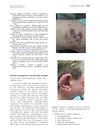
A 72-year-old man was diagnosed with a rare skin form of Rosai-Dorfman disease after years of misdiagnosis.
121 citations
,
December 2001 in “American Journal of Dermatopathology” TB and BCC tumors show similar follicular differentiation patterns.
9 citations
,
June 2019 in “Cell cycle/Cell cycle (Georgetown, Tex. Online)” A specific RNA increases hair stem cell growth and skin healing by affecting a protein through interaction with a microRNA.
 January 2024 in “Wiadomości Lekarskie”
 Enhancing immune response can improve cancer treatment effectiveness.
 June 2024 in “Research Square (Research Square)”
 Jagged-1 in skin Tregs is crucial for timely wound healing by recruiting specific immune cells.
 March 2010 in “Ejc Supplements”
 CK 5/6 expression in breast cancer is linked to negative hormone receptor status and higher tumor grade.
 December 2023 in “bioRxiv (Cold Spring Harbor Laboratory)”
 Different types of inactive melanocyte stem cells exist with unique characteristics and potential to develop into other cells.
April 2010 in “Cancer Research” CDK4 levels affect the number of hair follicle stem cells in mice.
 8 citations
,
March 2020 in “Frontiers in Cell and Developmental Biology”
8 citations
,
March 2020 in “Frontiers in Cell and Developmental Biology” Researchers created immortal human skin cells with constant testosterone receptor activity to study hair loss and test treatments.
July 2022 in “Journal of Investigative Dermatology” Arg1+ macrophages may play a role in Alopecia Areata, offering new treatment targets.