 9 citations
,
January 2010
9 citations
,
January 2010 The herbal hair dye is a safe and eco-friendly alternative to conventional dyes.
Hair Botox makes hair look healthier and fuller.
 9 citations
,
June 1947 in “Analytical Chemistry”
9 citations
,
June 1947 in “Analytical Chemistry” Cold waving solutions quickly reduce cystine to cysteine in hair.
November 2015 in “Springer eBooks” Laser hair removal can be effective for people with darker skin tones.
 November 2025 in “Zenodo (CERN European Organization for Nuclear Research)”
 Oxidative dyes damage hair more than semi-permanent dyes, but new technologies help protect hair while coloring.
 January 2025 in “International Journal of Advanced Research in Science Communication and Technology”
 Polyherbal hair dyes are safer and more eco-friendly than chemical dyes.
 25 citations
,
October 1996 in “Dermatologic Clinics”
25 citations
,
October 1996 in “Dermatologic Clinics” Loose Anagen Syndrome causes easy-to-pull, thin hair, mainly in young girls, and improves with age.
10 citations
,
April 2020 in “Journal of surfactants and detergents” Shampoos with sugar-derived surfactants clean hair well and are gentler than those with SLES.
19 citations
,
April 2021 in “Journal of Cosmetic Dermatology” The treatment with silk proteins and linseed polysaccharides effectively protects and repairs chemically damaged hair.
September 2025 in “Indian Journal of Dermatology” A Turkish woman has a hair condition caused by a LIPH gene mutation.
 12 citations
,
June 2009 in “Journal of Cosmetic Dermatology”
12 citations
,
June 2009 in “Journal of Cosmetic Dermatology” Loose Anagen Hair syndrome occurs in dark-skinned children and often improves on its own.
 4 citations
,
January 2014 in “Indian dermatology online journal”
4 citations
,
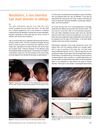
January 2014 in “Indian dermatology online journal” Monilethrix is a genetic hair disorder causing fragile, beaded hair with no effective treatment.
 42 citations
,
April 2008 in “Acta materialia”
42 citations
,
April 2008 in “Acta materialia” Different ethnicities and treatments affect human hair strength and structure.
 10 citations
,
January 2010 in “International Journal of Trichology”
10 citations
,
January 2010 in “International Journal of Trichology” Synthetic hair fibers for hair restoration were controversial in 2009 due to health risks and lack of support from the International Society of Hair Restoration.
November 2004 in “Qucosa (Saxon State and University Library Dresden)” Active agents mainly stay on the hair surface after short washes.
2 citations
,
March 2010 in “Cosmetic Dermatology” Laser hair removal uses lasers to target and damage hair follicles to reduce hair growth.
 June 2017 in “University of the Arts London Research Online (University of the Arts London)”
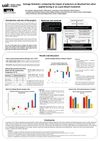
 Polymers help reduce damage and improve bleached hair when used during or after bleaching.
2 citations
,
January 2000 Lasers are effective for hair removal, especially for conditions like excessive hair growth.
6 citations
,
January 2020 in “Elsevier eBooks” Nanoparticles could make hair dyes safer by reducing harmful effects.
 March 2010 in “International Journal of Cosmetic Science”
 Disulfide bonds affect the melting behavior of hair's crystalline structure, but hair retains some stability even after these bonds are broken.
Laser hair removal works well for light skin with dark hair but needs caution for darker skin.

Hair chemicals don't cause SLE but may increase skin issues in those with SLE.
 2 citations
,
August 2012 in “Journal of the American Academy of Dermatology”
2 citations
,
August 2012 in “Journal of the American Academy of Dermatology” Two patients with the same genetic mutation had both blistering skin and easily pulled out hair.
 April 2025 in “International Journal of Cosmetic Science”
 A new hair perming method avoids damage and lasts longer than traditional methods.
1 citations
,
January 1988 Cosmetic treatments after chlorination damage hair more than treatments before.
July 2025 in “Frontiers in Medicine” Mutations in the LIPH gene cause woolly hair in a child.
 September 2017 in “Springer eBooks”
 Low-level laser therapy seems to promote hair growth but requires more research to confirm its effectiveness.
 February 2023 in “Cosmoderma”
 Loose anagen hair syndrome causes easily shed hair but usually improves with time.
 1 citations
,
April 2016 in “Journal of The American Academy of Dermatology”
1 citations
,
April 2016 in “Journal of The American Academy of Dermatology” The study concludes that Loose Anagen Hair Syndrome is a benign condition that usually improves with age but can be hard to diagnose and stressful for the family.
 May 2026 in “International Journal of Research Publication and Reviews”
 The polyherbal hair dye is a safe, effective, and eco-friendly alternative to synthetic dyes.