 2 citations
,
January 2020 in “International Journal of Cosmetic Science”
2 citations
,
January 2020 in “International Journal of Cosmetic Science” Niacinamide does not promote hair growth.
21 citations
,
May 2016 in “Progress in Neuro-Psychopharmacology and Biological Psychiatry” Diazepam's effects on anxiety and memory differ between male and female rats due to hormonal influences.
September 2024 in “Revista de Cercetare si Interventie Sociala” The pandemic increased interest in aesthetic treatments due to more online meetings.
51 citations
,
February 2004 in “Environmental Health Perspectives” Control variability makes it hard to confirm low-dose endocrine effects.
 October 2024 in “Asian Pacific Journal of Cancer Prevention”
 Cnicus Benedictus leaf extract can kill cervical cancer cells without harming normal cells.
3 citations
,
January 2002 in “Actas Dermo-Sifiliográficas” Excessive minoxidil use can damage hair structure.
 May 2004 in “International Journal of Cosmetic Science”
 Melanogenesis inhibitors like kojic acid and niacinamide can reduce inflammation and pigment production in skin cells.
19 citations
,
October 2016 in “Journal of oncology pharmacy practice” A cancer patient's hair became permanently curly after treatment with nivolumab.
 3 citations
,
April 1989 in “Drug Information Journal”
3 citations
,
April 1989 in “Drug Information Journal” Side effects of drugs can lead to the discovery of new treatments.
1 citations
,
January 2014 in “PubMed” Certain substances can decrease or increase exploratory behavior in rodents.
 12 citations
,
September 2002 in “Epilepsia”
12 citations
,
September 2002 in “Epilepsia” Monitoring new epilepsy drugs after they're sold is crucial to find rare and long-term side effects that initial tests might miss.
1 citations
,
October 2005 in “Experimental and Clinical Endocrinology & Diabetes” Allopregnanolone and opioids together reduce stress hormone responses during pregnancy.
4 citations
,
April 2009 in “Journal of Pain” Finasteride boosts morphine's pain relief and prevents tolerance and withdrawal in rats.
 2 citations
,
July 2021 in “Journal of Dermatology and Dermatologic Surgery”
2 citations
,
July 2021 in “Journal of Dermatology and Dermatologic Surgery” Exposure to the hair loss drug finasteride during pregnancy can cause genital anomalies in male babies, but not in female babies. It's best to avoid this drug in women who could potentially become pregnant.
27 citations
,
April 2008 in “Neuroscience Letters” Olanzapine reduces stress-related anxiety in rats when given acutely.
 May 2026 in “Journal of Neurosciences in Rural Practice”
 Tofacitinib may cause nerve damage in the brain, so monitor for neurological symptoms.
 April 2019 in “Journal of Investigative Dermatology”
 Non-coding RNA boosts retinoic acid production and signaling, aiding regeneration.
9 citations
,
June 2013 in “Journal of Cosmetic Dermatology” Lateral oblique forehead lines are caused by muscle movement, not sleep positions, and can be treated with botulinum toxin A.
 81 citations
,
July 2012 in “Translational Psychiatry”
81 citations
,
July 2012 in “Translational Psychiatry” Memantine may slightly improve memory in people with Down syndrome, but more research is needed.
28 citations
,
October 2011 in “British Journal of Pharmacology” Midazolam's seizure prevention is partly due to increased neurosteroid production.
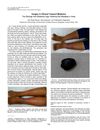 November 2021 in “American Journal of Tropical Medicine and Hygiene”
 Marking nuts can cause skin irritation and allergies.
January 2026 in “Indian Journal of Paediatric Dermatology” A rare case shows a possible link between Neurofibromatosis type 1 and Becker nevus due to genetic mutations.
January 2018 in “Investigative Ophthalmology & Visual Science” 2 citations
,
July 2014 in “Journal of pharmacology and pharmacotherapeutics” A woman got unwanted hair growth on her face from using bimatoprost eyedrops for glaucoma.
8 citations
,
November 2012 in “Blood” Hair loss can be a side effect of certain blood thinners.
5 citations
,
January 2021 in “Indian Journal of Pharmacology” Nilotinib can cause generalized keratosis pilaris.
21 citations
,
January 2007 in “Journal of the European Academy of Dermatology and Venereology” Travoprost can help eyelash growth but may cause darkening around the eyes.
10 citations
,
August 2016 in “Dermatology Online Journal” Nilotinib can cause skin issues like red bumps and hair loss.
 January 2025 in “International Journal of Medicine in Developing Countries”
 Ocrelizumab may cause delayed hair loss in some patients.
 May 2026 in “Nature Communications”
 Targeting catecholaminergic signaling may help treat keloid scars.