COVID-19 may lead to severe skin necrosis without clear underlying causes, as seen in a diabetic patient who required leg amputation.
 21 citations
,
October 2018 in “European Journal of Pharmacology”
21 citations
,
October 2018 in “European Journal of Pharmacology” Chemotherapy can cause brain inflammation and damage, and understanding this process could help manage side effects.
 July 2023 in “Media Dermato Venereologica Indonesiana”
 Early diagnosis, stopping the suspected drug, and supportive care are crucial for treating Stevens-Johnson Syndrome and Toxic Epidermal Necrolysis.
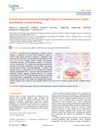 9 citations
,
December 2024 in “Nano Research”
9 citations
,
December 2024 in “Nano Research” A protein-based hydrogel helps heal diabetic wounds and repair nerves.
September 2004 in “Experimental Dermatology” Stress increases nerve growth factor, causing hair loss in mice.
July 2025 in “Journal of Investigative Dermatology” Wnt signaling helps regenerate hair follicles in wounds by reducing skin cell sensitivity to mechanical stress.
37 citations
,
May 2018 in “Developmental Biology” Adult neural crest-derived cells can become multipotent and aid tissue repair when stressed or injured.
2 citations
,
August 2024 in “Preprints.org” Fluocinolone may help treat scalp symptoms in ichthyosis patients.
 January 2023 in “Brazilian Journals Editora eBooks”
 Surgery to fix a broken upper arm bone can sometimes lead to nerve damage.
1 citations
,
June 2024 in “Skin Research and Technology” Human dermal fibroblast proteins help restore nerves during healing.
Activating cannabinoid receptor 1 may help manage psoriasis by reducing certain keratins.
 January 2022 in “bioRxiv (Cold Spring Harbor Laboratory)”
 The gp130 receptor helps in tissue regeneration and disease progression, and manipulating it could improve healing and prevent disease.
7 citations
,
April 2002 in “Science” Botulinum toxin, once seen as a poison, is now used to treat medical conditions and is unlikely to be an effective biological weapon.
October 2025 in “Cell Death and Disease” CD271 is crucial for maintaining healthy skin and preventing inflammation.
January 2022 in “Social Science Research Network” Potassium channel modulators mostly increase the activity of rat whisker mechanoreceptors.
59 citations
,
September 2021 in “Journal of Allergy and Clinical Immunology” Netherton syndrome has two subtypes with shared immune traits but different allergic and immune responses, suggesting targeted treatments.
1 citations
,
July 2024 in “Journal of Investigative Dermatology” Immune cells boost stem cell activity in hairy moles, causing more hair growth.
 December 2025 in “Frontiers in Immunology”
 Restoring nerve-macrophage communication may help treat autoimmune diseases.
 15 citations
,
March 2020 in “Experimental and Therapeutic Medicine”
15 citations
,
March 2020 in “Experimental and Therapeutic Medicine” The skin is a large organ that plays a role in the immune system.
11 citations
,
October 2002 in “Pharmacology Biochemistry and Behavior” Formalin-induced pain increases testosterone breakdown in the rat brain and spinal cord.
 5 citations
,
June 2024 in “Developmental Cell”
5 citations
,
June 2024 in “Developmental Cell” Activating TRPV1 can boost hair growth by involving neurons, macrophages, and fibroblasts.
2 citations
,
January 2006 in “PubMed” Carpronium chloride increases blood flow by widening small blood vessels.
1 citations
,
January 2022 Eclipta prostrata may help with hair growth and liver health, but more research is needed.
February 2026 in “Advanced Sensor Research” Advanced technologies can improve understanding and monitoring of skin-brain interactions.
 August 2025 in “Journal of Pure and Applied Microbiology”
 Bee venom shows promise for treating cancer, infections, inflammation, and hair loss.
 March 2025 in “International Journal of Trichology”
 The combined treatment improved hair growth and scalp health in a patient with scalp alopecia from birth.
Sensory neuron remodeling and Merkel-cell changes happen independently during skin maintenance.
Sensory neuron changes and Merkel-cell changes in the skin happen independently during normal skin maintenance.
Sensory neuron and Merkel cell changes in the skin happen independently during normal skin maintenance.
Sensory neurons and Merkel cells remodel at different rates during normal skin maintenance.