 November 2018 in “Hair transplant forum international”
 The article suggests that hair transplant surgery may not be purely cosmetic because it treats a disease and calls for clearer guidelines on its classification.

The book provides a guide to cosmetic surgery for people with darker skin, covering various treatments and addressing their unique skin characteristics.
 January 2022 in “Maxillofacial Plastic and Reconstructive Surgery”
 The book is a detailed guide on facial cosmetic surgery techniques and advancements, useful for both trainees and specialists.
 1 citations
,
February 2018 in “Journal of Plastic Reconstructive and Aesthetic Surgery”
1 citations
,
February 2018 in “Journal of Plastic Reconstructive and Aesthetic Surgery” The U.K. created the CPSA to set safety standards for non-surgical cosmetic treatments and improve patient protection.
 69 citations
,
December 2016 in “Facial plastic surgery”
69 citations
,
December 2016 in “Facial plastic surgery” Different types of facial fat affect aging and treatment outcomes; more research is needed to enhance anti-aging procedures.
 July 2019 in “Journal of Aesthetic Nursing”
 The JCCP's Premises Standards aim to make non-surgical cosmetic treatments safer and higher quality.
 2 citations
,
July 2020 in “Trends in Urology and Men's Health”
2 citations
,
July 2020 in “Trends in Urology and Men's Health” More men are getting cosmetic surgery, with Botox and hair removal being popular, but these procedures have risks.
 6 citations
,
September 2024 in “Discover Psychology”
6 citations
,
September 2024 in “Discover Psychology” Men use cosmetic surgery to feel and look better, often influenced by traditional masculinity ideals.
 4 citations
,
May 2007 in “Oral and Maxillofacial Surgery Clinics of North America”
4 citations
,
May 2007 in “Oral and Maxillofacial Surgery Clinics of North America” Understanding gender differences and individual patient characteristics is essential for optimal cosmetic surgery outcomes.
 May 2015 in “Primary Dental Journal”
 The conclusion is that improved training and oversight for cosmetic procedures are recommended to better protect patients.
 53 citations
,
October 2018 in “Aesthetic Surgery Journal”
53 citations
,
October 2018 in “Aesthetic Surgery Journal” Google Trends data on facial cosmetic procedures matches actual surgery numbers, showing it can help plastic surgeons understand public interest.
January 2025 in “Cosmetics” Exosomes could improve skin care, but more research is needed to confirm their safety and effectiveness.
4 citations
,
April 2011 in “Plastic & Reconstructive Surgery” Nonsurgical cosmetic treatments, like lasers and fillers, are important for enhancing patient outcomes.
January 2020 in “Journal of Womens Health, Issues and Care” Scalp micropigmentation is a successful, non-surgical way to make hair look fuller.
January 2019 in “Clinical pediatric dermatology” Scalp micropigmentation is a non-surgical alternative to hair transplants that mimics hair follicles and requires no downtime.
 July 2014 in “Facial Plastic Surgery Clinics of North America”
 Cosmetic surgery should be personalized for different ethnic groups to ensure the best results and patient satisfaction.
 49 citations
,
June 2009 in “Seminars in Cutaneous Medicine and Surgery”
49 citations
,
June 2009 in “Seminars in Cutaneous Medicine and Surgery” The cosmetic industry should adapt to the varied beauty standards of ethnic groups and offer specialized treatments.
 May 2014 in “Journal of Aesthetic Nursing”
 Health Education England is moving forward with phase two of their cosmetic intervention project after a successful summit and plans for future training standards.
4 citations
,
December 2021 in “Vestnik dermatologii i venerologii” Nonsurgical treatments for basal cell skin cancer are safe and effective.
 1 citations
,
April 2018 in “Lasers in Surgery and Medicine”
1 citations
,
April 2018 in “Lasers in Surgery and Medicine” New treatments and technologies in laser medicine show promise for improving skin conditions, fat reduction, cancer treatment, wound healing, and hair restoration.
 April 2021 in “Journal of Cosmetic Dermatology”
 The May 2021 issue of the Journal of Cosmetic Dermatology suggests injectables are becoming more reliable and may reduce the need for cosmetic surgery.
 9 citations
,
January 1997 in “Gynecological Endocrinology”
9 citations
,
January 1997 in “Gynecological Endocrinology” The document concludes that treating androgen excess needs patience, managing expectations is important, and many drugs used are not officially approved, suggesting cosmetic options for mild cases.
 March 2026 in “Aesthetic Plastic Surgery”
 AI is revolutionizing non-surgical cosmetic procedures by improving personalization, safety, and access.
 April 2021 in “Advances in Cosmetic Surgery”
 Hair restoration can be achieved through non-surgical treatments like minoxidil, antiandrogens, phototherapy, and PRP procedures, or through surgical methods like hair transplantation. Continued treatment is needed to maintain results, and full results are visible after 12-18 months.
 2 citations
,
February 2010 in “Facial Plastic Surgery Clinics of North America”
2 citations
,
February 2010 in “Facial Plastic Surgery Clinics of North America” The document introduces a guide on facial plastic surgery for diverse ethnic groups.
 January 2012 in “Elsevier eBooks”
 Hair loss can cause emotional and social issues, and various treatments, including medication, surgery, and psychological support, are needed.
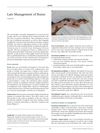 June 2002 in “Surgery (oxford)”
 The document says that treating burns late focuses on improving function, appearance, and helping patients return to normal life, using both non-surgical and surgical methods.
 1 citations
,
February 2020 in “Journal of Cosmetic Dermatology”
1 citations
,
February 2020 in “Journal of Cosmetic Dermatology” Hair transplant surgery reduces scalp sensitivity by almost 40%, and smokers have less scalp sensitivity than non-smokers. The time since surgery doesn't significantly affect this.
 14 citations
,
February 1999 in “The BMJ”
14 citations
,
February 1999 in “The BMJ” Cosmetic surgery is more popular and cost-effective, but outcomes depend on the surgeon's skill and all procedures have potential complications.
 7 citations
,
November 1999 in “Dermatologic Surgery”
7 citations
,
November 1999 in “Dermatologic Surgery” The document concludes that multidisciplinary training is important for future cosmetic surgeons and acknowledges the lasting influence of pioneers in the field.