1 citations
,
September 2003 in “Praxis” Hair loss is a significant challenge with psychological effects, but treatments like minoxidil and finasteride are effective.
June 2025 in “Revista Foco” JAK inhibitors effectively treat severe alopecia areata with manageable side effects.
45 citations
,
May 2024 in “International Journal of Molecular Sciences” Alopecia areata is caused by immune attacks on hair follicles, affecting hair growth and quality of life.
 9 citations
,
October 2017 in “Archivos Argentinos de Pediatria”
9 citations
,
October 2017 in “Archivos Argentinos de Pediatria” Alopecia areata needs new treatments targeting autoimmune processes due to its emotional impact and variable treatment responses.
1 citations
,
April 2023 in “Portuguese Journal of Dermatology and Venereology” JAK inhibitors are effective treatments for alopecia areata.
November 2025 in “Scholarly Commons (Embry–Riddle Aeronautical University)” Urban air pollution worsens hair loss in alopecia areata by increasing immune response.
July 2025 in “Russian Journal of Clinical Dermatology and Venereology” Alopecia areata in children requires thorough diagnosis and treatment due to its impact on quality of life and link to other autoimmune diseases.
 March 2025 in “Journal of Education Health and Sport”
 Alopecia areata causes hair loss due to immune issues, and while new treatments show promise, no universally effective solution exists yet.
January 2025 in “Voprosy praktičeskoj pediatrii” Janus kinase inhibitors show promise for treating alopecia areata in children.
 November 2023 in “Research Portal Denmark”
 Baricitinib shows promise for severe alopecia areata but isn't a cure and has side effects.
Hair disorders can be genetic or acquired, affecting hair growth and loss differently.
 July 2015 in “Hair transplant forum international”
 Facial hair transplants are generally successful, with hair growth beginning around 3 months post-surgery.
 March 2022 in “Wound practice & research”
 New treatments for alopecia areata show promise, but standardized guidelines are needed.
 July 2020 in “Benha Journal of Applied Sciences”
 People with alopecia areata have higher levels of EGF in their blood than healthy people.
 20 citations
,
January 2018 in “Expert opinion on emerging drugs”
20 citations
,
January 2018 in “Expert opinion on emerging drugs” JAK inhibitors may soon be a safe and effective treatment for alopecia areata.
 3 citations
,
June 2023 in “Journal of cosmetic dermatology”
3 citations
,
June 2023 in “Journal of cosmetic dermatology” A new drug, abrocitinib, helped a child with severe hair loss regrow hair.
 2 citations
,
January 2023 in “Prague Medical Report”
2 citations
,
January 2023 in “Prague Medical Report” JAK inhibitors, like baricitinib, are effective and safe for treating alopecia areata.
November 2025 in “SHILAP Revista de lepidopterología” Animal and mathematical models help understand and develop treatments for alopecia areata.
Alopecia areata causes patchy hair loss but hair can regrow on its own.
 December 2016 in “Springer eBooks”
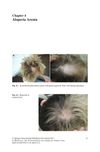
 A 45-year-old woman with autoimmune diseases experienced patchy hair loss due to alopecia areata, which has no cure but can be treated, with varying success.
1 citations
,
April 1990 in “PubMed” Alopecia areata causes unpredictable hair loss and is hard to treat.
 1 citations
,
May 2023 in “Prospects in Pharmaceutical Sciences”
1 citations
,
May 2023 in “Prospects in Pharmaceutical Sciences” New cytokine-targeted therapies show promise for treating alopecia areata.
3 citations
,
September 2021 in “JAAD case reports” Denosumab, a bone loss treatment, may cause hair loss and skin reactions due to immune system effects.
2 citations
,
January 2018 Diffuse alopecia areata causes widespread hair thinning due to an autoimmune response.
 January 2024 in “Skin appendage disorders”
 Using growth factors and microneedling shows promise for hair regrowth in Alopecia Areata, but more research is needed.
 April 2021 in “Sohag Medical Journal”
 Alopecia areata is an autoimmune condition causing hair loss, linked to genetic factors and immune system issues, with no cure yet.
 1 citations
,
December 2013 in “Journal of Evolution of Medical and Dental Sciences”
1 citations
,
December 2013 in “Journal of Evolution of Medical and Dental Sciences” Alopecia areata causes patchy hair loss due to unknown factors, affecting all ages and genders.
April 2025 in “Skin Appendage Disorders” Vitamin D may help reduce severity and relapse of alopecia areata.
March 2024 in “INDIAN JOURNAL OF APPLIED RESEARCH” Polarity Analysis with Calcarea Carbonica may effectively treat alopecia areata with fewer side effects.
January 2024 in “Updates in clinical dermatology” JAK inhibitors, PRP, and exosomes show promise for hair regrowth in Alopecia Areata.