 18 citations
,
January 2014 in “Postępy Dermatologii i Alergologii”
18 citations
,
January 2014 in “Postępy Dermatologii i Alergologii” Personalized treatment plans are important for people with alopecia areata.
 15 citations
,
November 2015 in “Journal of Dermatology and Dermatologic Surgery”
15 citations
,
November 2015 in “Journal of Dermatology and Dermatologic Surgery” Mixing platelet-rich plasma with triamcinolone acetonide can potentially improve hair regrowth in alopecia areata patients.
10 citations
,
January 2023 in “Skin Appendage Disorders” Alopecia areata is an autoimmune hair loss condition linked to genetic factors.
 3 citations
,
January 2023 in “Skin appendage disorders”
3 citations
,
January 2023 in “Skin appendage disorders” Some people with a history of autoimmune hair loss experienced worsening symptoms after COVID-19 vaccination.
 2 citations
,
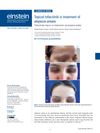
January 2020 in “Einstein (São Paulo)”
2 citations
,
January 2020 in “Einstein (São Paulo)” Topical tofacitinib shows promise as a future treatment for alopecia areata.
1 citations
,
April 2024 in “Journal of Drug Delivery Science and Technology” Microneedles combined with conventional therapies show promise in treating alopecia areata.
July 2026 in “Quality in Sport” Alopecia areata requires early, personalized treatment for hair loss and mental health, with promising new therapies needing more research.
May 2026 in “Archives of Dermatological Research” Alopecia areata in Asia causes significant hair loss and psychological distress, with high costs and a need for more research.
March 2026 in “Expert Opinion on Pharmacotherapy” JAK inhibitors are effective for severe alopecia areata but need better strategies for long-term use and personalized treatment.
AI models are effective for detecting alopecia areata but face challenges like explaining results and data bias.
Ritlecitinib can reduce inflammation and help hair regrow in Alopecia Areata.
Combining excimer lamp and tofacitinib gel may help treat hair loss in children.
Alopecia areata causes hair loss and needs personalized care to manage its emotional and social effects.
Understanding both skin and mental health aspects of alopecia areata is crucial for better patient care.
September 2024 in “Annals of Medicine and Surgery” Ritlecitinib is the first FDA-approved pill for treating significant hair loss in alopecia areata patients aged 12 and up.
 May 2024 in “IP International Journal of Periodontology and Implantology”
 Treating gum disease and stress may help improve alopecia.
 March 2024 in “Dermatology and therapy”
 AA patients with comorbid conditions face more severe hair loss and need specific treatments.
January 2024 in “Physiotherapia Croatica” New treatments like JAK inhibitors offer hope for hair regrowth in severe alopecia areata.
 January 2024 in “International journal of homoeopathic sciences”
 Early intervention and patient education are crucial for managing alopecia areata.
 March 2023 in “Photodiagnosis and Photodynamic Therapy”
 Low vitamin D levels are linked to severe and active alopecia areata.
 December 2022 in “Rossijskij žurnal kožnyh i veneričeskih boleznej”
 New treatments for child hair loss due to immune issues are effective but not yet officially approved.
 October 2022 in “Portuguese journal of dermatology and venereology”
 The best concentration of triamcinolone acetonide for treating alopecia areata is still unclear.
 October 2022 in “Benha Journal of Applied Sciences”
 Human Beta Defensin 1 levels do not predict the risk or severity of Alopecia Areata.
October 2022 in “The Egyptian Journal of Hospital Medicine” Methotrexate and azathioprine can help treat alopecia areata.
 July 2019 in “International journal of dermatology, venereology and leprosy sciences”
 Oral cyclosporine works better than betamethasone minipulse therapy for treating Alopecia Areata.
 July 2018 in “Benha Journal of Applied Sciences”
 Higher levels of miR-203 may contribute to hair loss in alopecia areata.
May 2011 in “Harper's Textbook of Pediatric Dermatology” Alopecia areata causes patchy hair loss and has no cure, but treatments like corticosteroids and minoxidil can help.
 9 citations
,
January 2019 in “American Journal of Dermatopathology”
9 citations
,
January 2019 in “American Journal of Dermatopathology” DKK-1 gene linked to hair loss in AGA and AA patients; more research needed for potential therapy.
 3 citations
,
October 1982 in “Postgraduate Medicine”
3 citations
,
October 1982 in “Postgraduate Medicine” Most types of hair loss can regrow naturally, but there are no effective cures for male pattern or age-related hair loss, and only limited options for females.
October 2025 in “JMIR Dermatology” Exclamation-mark hairs and yellow dots indicate alopecia areata, while follicular ostia loss and white scarring indicate lichen planopilaris and discoid lupus erythematosus.