 January 2013 in “Revista brasileira de medicina”
 The study concluded that hair loss treatments should be tailored to the specific type of alopecia and individual patient needs.
Combining vertical and horizontal sectioning improves scalp biopsy analysis for alopecia.
 September 1998 in “Journal of the European Academy of Dermatology and Venereology”
 Autoimmune and inflammatory processes are involved in both scarring and non-scarring types of hair loss.
April 2026 in “Canadian Medical Association Journal” Female pattern hair loss is common and increases with age.
 November 2025 in “The Bioscan.”
 Pix Liquida may help treat alopecia areata.

Alopecia Areata causes hair loss and needs treatments that address both physical and emotional health.
 June 2023 in “Dermatology and therapy”
 The Middle East and Africa need better data, treatment consensus, and support for Alopecia Areata.
 January 2011 in “International Journal of Trichology”
 The document concludes that doctors should recognize congenital triangular alopecia to avoid unnecessary treatments, as it does not respond to steroids like alopecia areata does.
 February 2026 in “Ciencia Latina Revista Científica Multidisciplinar”
 Early recognition and thyroid evaluation are crucial for managing diffuse alopecia areata linked to autoimmune thyroid disease.
 July 2023 in “Journal of Clinical Medicine”
 The document concludes that understanding hair follicle histology and the hair cycle is crucial for diagnosing alopecia.
 March 2023 in “Human Pathology”
 Hair follicle counts and ratios are helpful in diagnosing hair loss types, but should be used with other specific features for accurate diagnosis.
September 2022 in “Journal of Cosmetic Dermatology” Oral minoxidil effectively treats different types of hair loss with fewer side effects.
November 2021 in “CRC Press eBooks” Female androgenic alopecia causes hair thinning in women, especially after menopause, and affects their mental well-being.
 11 citations
,
December 2018 in “Journal of the European Academy of Dermatology and Venereology”
11 citations
,
December 2018 in “Journal of the European Academy of Dermatology and Venereology” Stopping JAK inhibitor treatment for hair loss can lead to worse hair loss than before the treatment.
4 citations
,
March 2025 in “Pediatric Dermatology” Pediatric alopecia areata needs more research to understand its characteristics and related conditions.
3 citations
,
January 2020 in “International journal of trichology” Congenital triangular alopecia is a hair loss condition present from birth or early childhood with no effective treatment needed.
 February 2024 in “The Open dermatology journal”
 Alopecia Areata affects people of all ages worldwide, is likely caused by genetic and environmental factors, and can lead to stress and depression, highlighting the need for treatments that address both physical and mental health.
 January 2024 in “Skin Research and Technology”
 Oral tofacitinib may be an effective future treatment for children with severe alopecia areata, but more research is needed.
 September 2023 in “Journal of Cosmetic Dermatology”
 Lower vitamin D levels are linked to higher CRP levels in people with a type of hair loss called alopecia areata.
 August 2021 in “Revista Colombiana de Reumatología/Revista Colombiana de Reumatologia”
 Janus kinase inhibitors may effectively treat severe alopecia areata unresponsive to other treatments.
 90 citations
,
June 2006 in “The American Journal of Dermatopathology”
90 citations
,
June 2006 in “The American Journal of Dermatopathology” The document concludes that accurate diagnosis of different types of hair loss requires careful examination of hair and scalp tissue, considering both clinical and microscopic features.
 80 citations
,
March 2000 in “Journal of cutaneous pathology”
80 citations
,
March 2000 in “Journal of cutaneous pathology” The VVG stain effectively differentiates scar tissue from normal skin and helps classify types of permanent alopecia.
 33 citations
,
April 2012 in “British Journal of Dermatology”
33 citations
,
April 2012 in “British Journal of Dermatology” Damaged hair follicle stem cells can cause permanent hair loss, but understanding their role could lead to new treatments.
 11 citations
,
January 2022 in “Journal der Deutschen Dermatologischen Gesellschaft”
11 citations
,
January 2022 in “Journal der Deutschen Dermatologischen Gesellschaft” Alopecia areata is a chronic condition causing hair loss, with new treatments targeting the immune system showing promise.
8 citations
,
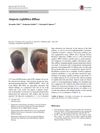
January 2013 in “International journal of trichology” Two people had unusual ring-shaped hair loss due to an autoimmune disorder.
 6 citations
,
April 2015 in “Infection”
6 citations
,
April 2015 in “Infection” Treatment with benzylpenicillin and prednisolone cured the patient's syphilis and hair loss.
 5 citations
,
April 2016 in “The American Journal of Dermatopathology”
5 citations
,
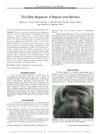
April 2016 in “The American Journal of Dermatopathology” A tick bite caused temporary hair loss in a man, which is a rare condition that usually gets better within 3 months.
 3 citations
,
September 2019 in “Journal of Orthodontics”
3 citations
,
September 2019 in “Journal of Orthodontics” A boy's hair grew back after he stopped using orthodontic headgear that caused temporary hair loss.
 1 citations
,
July 2014 in “Our Dermatology Online”
1 citations
,
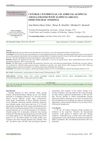
July 2014 in “Our Dermatology Online” The patient with both scarring and non-scarring hair loss showed complex immune reactions and improved with steroid treatment.
December 2025 in “Zenodo (CERN European Organization for Nuclear Research)” Alopecia areata causes sudden, patchy hair loss due to immune system attacks on hair follicles.