 January 2026 in “Archives of Current Medical Research”
 Telogen effluvium is the most common hair loss in women, often linked to low iron, while tight hairstyles and headscarves increase traction alopecia risk.
January 2026 in “JPRAS Open” PDLLA scalp injections improved hair regrowth in most patients with non-scarring alopecia.
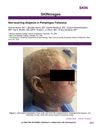 January 2026 in “SKIN The Journal of Cutaneous Medicine”
 Rituximab treatment led to complete hair regrowth and improved skin in a woman with pemphigus foliaceus.
 November 2025 in “DOAJ (DOAJ: Directory of Open Access Journals)”
 Insomnia may increase alopecia areata risk, but more research is needed.
 October 2025 in “Pakistan Journal of Health Sciences”
 Low serum ferritin is linked to hair loss in women.
October 2025 in “JDDG Journal der Deutschen Dermatologischen Gesellschaft” Hair loss negatively impacts quality of life, and psychological support can help.
October 2025 in “Clinical and Experimental Dermatology” Low-dose oral minoxidil significantly improves hair density in non-scarring alopecia.
 August 2025 in “Nutrients”
 Eating more antioxidant-rich foods and less alcohol may help reduce hair loss.
July 2025 in “Journal of Investigative Dermatology” Low-dose oral minoxidil is safe for the heart in the short term for hair loss patients.
 May 2025 in “Frontiers in Pharmacology”
 New treatments are needed for non-scarring alopecia due to current limitations.
May 2025 in “OPAL (Open@LaTrobe) (La Trobe University)” Current treatments for non-scarring alopecia have limited effectiveness and side effects, while natural remedies may offer safer alternatives but need more research.
 April 2025 in “Düzce Tıp Fakültesi Dergisi”
 Vitamin D deficiency is common in children with non-scarring alopecia, and managing it may help treatment.

Tumid lupus erythematosus can cause non-scarring hair loss on the scalp and requires careful diagnosis.
 January 2025 in “International Journal of Dermatology Research”
 Tailored combination therapy improves non-scarring alopecia outcomes.
 January 2025 in “International Journal of Dermatology Sciences”
 Androgenetic alopecia is the most common type of non-scarring hair loss, especially in young males, and early diagnosis and treatment are important.

Teledermatology effectively diagnoses and manages non-scarring alopecia remotely.
 September 2024 in “Archiv Euromedica”
 Trichoscopy is a quick, accurate, and non-invasive method to diagnose and treat non-scarring hair loss.
 September 2024 in “Journal of the American Academy of Dermatology”
 Iron infusions can help improve hair loss in patients who can't take oral iron supplements.
 August 2024 in “EMJ Dermatology”
 Non-scarring alopecia in females affects emotional well-being and requires accurate diagnosis and personalized treatment.
 July 2024 in “Clinical Cosmetic and Investigational Dermatology”
 Certain immune cells are linked to non-scarring hair loss, suggesting potential for immune-targeted treatments.
 June 2024 in “Дерматовенерология Косметология”
 Autologous follicular stem cells improved hair loss in 57% of patients.

Higher levels of β-carotene and vitamin E may help prevent certain types of hair loss.
April 2024 in “African Journal of Biological Sciences” The treatment led to significant hair regrowth in a lupus patient.
 April 2024 in “African Journal of Biological Sciences”
 The patient with lupus and Degos' disease showed significant improvement with treatment.
 March 2024 in “Frontiers in Endocrinology”
 The study found that alopecia areata and hypothyroidism increase the risk of each other, but androgenetic alopecia and hypothyroidism do not.
 January 2024 in “Pan African Medical Journal”
 Non-scarring hair loss is common in lupus patients and can be diagnosed with specific hair and tissue tests.
 November 2023 in “Journal of Cosmetic Dermatology”
 People with non-scarring hair loss often have lower vitamin D levels than those without hair loss.
November 2023 in “Journal of Investigative Dermatology” Different types of hair loss have unique cellular changes, suggesting new treatment targets.
 September 2023 in “Дерматовенерология, косметология”
 Digital video microscopy is a useful non-invasive tool for diagnosing non-scarring alopecia.
 September 2023 in “Medical lasers”
 The botanical shampoo with Morus alba root extract is safe and effective for treating hair loss.