 9 citations
,
August 2013 in “Facial Plastic Surgery Clinics of North America”
9 citations
,
August 2013 in “Facial Plastic Surgery Clinics of North America” Recognize and treat hair loss conditions that mimic androgenetic alopecia by identifying warning signs and using proper tools.
 7 citations
,
August 2021 in “Journal of the European Academy of Dermatology and Venereology”
7 citations
,
August 2021 in “Journal of the European Academy of Dermatology and Venereology” Early treatment of fibrosing alopecia in a pattern distribution may improve outcomes.
September 2023 in “Journal of the American Academy of Dermatology” Alopecia, especially androgenic, may increase cardiovascular risk, but more research is needed.
 January 2022 in “Clinical Cases in Dermatology”
 A 62-year-old woman with hair loss and scalp itching was diagnosed with lichen planopilaris, treated initially with topical corticosteroids, and other possible treatments include systemic steroids, antimalarials, and more.

Alopecia areata often starts around age 23, can be permanent in 30% of cases, and treatments are usually temporary.
 May 2015 in “Journal of The American Academy of Dermatology”
 Oral minoxidil improved male baldness, but had side effects; certain antibiotics effectively treated a rare scalp condition; hair transplants might trigger another scalp condition.
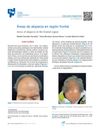 January 2025 in “Revista del Centro Dermatológico Pascua”
 Early diagnosis and treatment can help manage fibrosing alopecia in older women.
 64 citations
,
January 2005 in “International Journal of Dermatology”
64 citations
,
January 2005 in “International Journal of Dermatology” Hair transplant destroyed by lichen planopilaris.

Alopecia areata, a type of hair loss, may be passed through T cells and has genetic links, while treatments vary in effectiveness. Male pattern baldness can be treated with finasteride and is influenced by androgens in hair follicles.
 13 citations
,
January 2011 in “International Journal of Trichology”
13 citations
,
January 2011 in “International Journal of Trichology” CTA is often mistaken for AA but doesn't respond to steroids and may require hair transplantation.
1 citations
,
November 2016 in “Saengmyeong gwahag hoeji/Saengmyeong gwahak hoeji” New treatments for the autoimmune hair loss condition alopecia areata may include JAK inhibitors and other immunomodulators.
 6 citations
,
February 1974 in “The BMJ”
6 citations
,
February 1974 in “The BMJ” The document concludes that scalp disorders can be treated with hair washing, specific shampoos, medications, and sometimes surgery or hair transplants, but hereditary baldness is untreatable.
1 citations
,
January 2004 in “Linchuang pifuke zazhi” Topical cyclosporin-A is recommended for severe alopecia areata.
1 citations
,
May 2017 in “InTech eBooks” New treatments focusing on immune pathways show promise for stubborn hair loss.
June 2024 in “Dermatopathology” A rare type of skin cancer on the scalp can be mistaken for hair loss, causing delayed diagnosis and severe damage.
2 citations
,
July 2018 in “PubMed” Low vitamin D levels might cause hair loss that can be treated with vitamin D supplements.
January 2025 in “Pharmaceutical journal/The pharmaceutical journal” Alopecia areata causes patchy hair loss due to the immune system attacking hair follicles.
35 citations
,
July 2008 in “Dermatologic therapy” Cicatricial alopecia may be caused by immune attacks on hair follicles, gland issues, or stem cell damage.
 March 2024 in “Clinical and experimental dermatology”
 Topical corticosteroids may be a safe and effective treatment for severe alopecia areata in children.
 August 2023 in “JAAD Case Reports”
 A woman with lupus experienced hair regrowth after treatment, but hair transplantation is not advised for her condition.
September 2025 in “Brazilian Journal of Health Review” Early diagnosis and less aggressive hair care improve outcomes for Black women with frontal fibrosing alopecia.
January 2004 in “Linchuang pifuke zazhi” A man lost hair permanently from a salon burn, and surgery was needed to fix the scar.
2 citations
,
May 2014 in “PubMed” A 10-year-old boy was diagnosed with a rare scalp condition causing hair loss and treated with a topical cream.
7 citations
,
January 2017 in “Dermatology Online Journal” TNF-inhibitor induced alopecia can be treated effectively with different therapies.
October 2025 in “JMIR Dermatology” Exclamation-mark hairs and yellow dots indicate alopecia areata, while follicular ostia loss and white scarring indicate lichen planopilaris and discoid lupus erythematosus.
 September 2021 in “CRC Press eBooks”
 Lichen planopilaris causes permanent hair loss and scarring due to damage to hair follicles and can be mistaken for other hair loss conditions.
 34 citations
,
January 1987 in “Dermatology”
34 citations
,
January 1987 in “Dermatology” Topical minoxidil effectively and safely treats extensive alopecia areata but doesn't change its course.
 November 2023 in “European medical journal. Dermatology”
 Early diagnosis and new treatments are crucial to prevent permanent hair loss in scarring alopecia.
 April 2026 in “Research Square”
 Trichoscopy is reliable for diagnosing different types of frontal non-scarring hair loss.
1 citations
,
February 2023 in “American Journal of Dermatopathology” Microscarring is found in both alopecia areata and pattern hair loss, suggesting a shared cause.