Search
for
Sort by
Research
780-810 / 1000+ results
research Steroid sulfatase inhibitors
Steroid sulfatase inhibitors could potentially treat hormone-related disorders like certain cancers, hair loss, acne, and improve cognitive dysfunction.

research The Requirement to Monitor Low-dose Oral Minoxidil in the Management of Hair Loss
Routine monitoring isn't needed for healthy patients on low-dose oral minoxidil, but is advised for those with kidney issues.
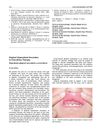
research Gingival Hyperplasia Secondary to Everolimus Therapy
A woman developed thick gums from everolimus treatment after a kidney transplant.
research Effects of Dehydroepiandrosterone Therapy on Pubic Hair Growth and Psychological Well-Being in Adolescent Girls and Young Women with Central Adrenal Insufficiency: A Double-Blind, Randomized, Placebo-Controlled Phase III Trial
DHEA therapy improves pubic hair growth and psychological well-being in young females with central adrenal insufficiency.
research How safe and effective is finasteride for hair loss in postmenopausal women?
Finasteride at 1 mg daily doesn't help hair loss in postmenopausal women and has similar side effects to a placebo.

research Testosterone therapy in women: Myths and misconceptions
Testosterone therapy is beneficial for women's health and does not cause masculinization or liver damage, and it protects the heart and breasts.

research Estrogenic Potential of 2-Alkyl-4-(thio)chromenone 6-O-Sulfamates: Potent Inhibitors of Human Steroid Sulfatase
A substance called Compound 2g can strongly block STS (a hormone-related enzyme) without affecting estrogen levels, making it potentially good for treating breast cancer.
research Low-dose (2.5 mg/day) finasteride treatment in hirsutism
Low-dose finasteride effectively reduces hirsutism without serious side-effects.
research Women’s Health Considerations for Lipid Management
Manage women's cholesterol with diet, exercise, and careful treatment choices, especially during pregnancy, PCOS, and menopause.
research Ethosomes: An Exciting and Promising Alcoholic Carrier System for Treating Androgenic Alopecia
Ethosomes are a promising method for treating hair loss by delivering drugs directly to the scalp.
research Postmenopausal Ovarian Hyperthecosis Associated with Rapid Testosterone Excess
Removing both ovaries can treat increased testosterone and related symptoms in postmenopausal women with ovarian hyperthecosis.
research CHRONIC TREATMENT REGIMENS FOR HIRSUTISM IN WOMEN: EFFECT ON BLOOD PRODUCTION RATES OF TESTOSTERONE AND ON HAIR GROWTH
Combination therapy significantly reduces testosterone and moderately reduces hair growth in women with hirsutism.
research Use of an alternative method to evaluate erythema severity in a clinical trial: difference in vehicle response with evaluation of baseline and postdose photographs for effect of oxymetazoline cream 1·0% for persistent erythema of rosacea in a phase IV study
Oxymetazoline cream 1.0% effectively reduces rosacea redness, and using baseline photos improves assessment accuracy.
research Hyperandrogenic eumenorrheic NON-PCOS women versus women with PCOS after the GnRH-agonist stimulation test preceded by suppression of adrenal steroidogenesis with dexamethasone
PCOS women have more severe metabolic issues and higher androgen levels than hyperandrogenic women without PCOS.
research Effects of Dehydroepiandrosterone Therapy on Pubic Hair Growth and Psychological Well-Being in Adolescent Girls and Young Women with Central Adrenal Insufficiency: A Double-Blind, Randomized, Placebo-Controlled Phase III Trial
DHEA treatment helps grow pubic hair and boosts mood in girls with adrenal issues.
research On Photo-Stability of Oxybenzone
Estrogen receptors may not affect mouse hair growth as previously thought, and oxybenzone in sunscreen is stable in sunlight.
research Ausgeprägte Virilisierung in der Postmenopause - eine Falldarstellung
A postmenopausal woman had high testosterone from her right adrenal gland, leading to recommended surgery.
research A new method for synthesis of finasteride
A new, safer method to make finasteride from progesterone is effective for industrial use.

research Hirsutism and acne in polycystic ovary syndrome
Lower doses of treatments for hirsutism and acne in PCOS are effective and cause fewer side effects.

research Patient‐reported outcomes of topical finasteride/minoxidil treatment for male androgenetic alopecia: A retrospective study using telemedical data
Topical finasteride/minoxidil is effective but not better than oral finasteride for hair loss.

research BRIDGING THE GAP IN ACNE MANAGEMENT: A NARRATIVE REVIEW OF CURRENT THERAPIES AND THE EMERGENCE OF CLASCOTERONE
Clascoterone cream is a safer, effective acne treatment with fewer side effects.
research Reevaluating Testosterone Therapy in Women
Testosterone therapy is safe and effective for women but is limited by cost and lack of awareness.
research Oral Mesotherapy: Might Be Considered as An Adjunctive Technique for the Different Surgical Procedures?
Mesotherapy might be a useful addition to dental surgery to reduce drug use and side effects, but more research is needed.
research Minoxidil: main differences between topical and oral use
Oral minoxidil has more side effects but can be more effective than topical minoxidil.

research ¿Novedad o prudencia? El delicado equilibrio en la actualización farmacológica
New drugs face challenges due to limited evidence, and safety updates are advised for some existing medications.
research Anti-Androgens
Effective treatments for excessive body hair in women include drugs that block androgens, sometimes combined with oral contraceptives.

research Characterization and Management of Adverse Events of Low-Dose Oral Minoxidil Treatment for Alopecia: A Narrative Review
Low-dose oral minoxidil effectively treats alopecia but can cause side effects like excess hair growth and fluid retention.
research Solubilizing steroidal drugs by β-cyclodextrin derivatives
Using β-cyclodextrin derivatives improves the solubility and bioavailability of steroidal drugs.
research Androgenisierung
The document concludes that proper diagnosis and individualized treatment are crucial for managing androgenization in women effectively.