 17 citations
,
August 2019 in “Frontiers in Immunology”
17 citations
,
August 2019 in “Frontiers in Immunology” Non-invasive methods show promise for diagnosing skin diseases like psoriasis and lupus but need more research for regular use.
December 2025 in “Indian Journal of Dermatology” Extraction videodermoscopy is an effective, non-invasive diagnostic tool for eruptive vellus hair cysts.
15 citations
,
September 2014 in “Dermatologic surgery” Diode laser removes hair better but is more painful than intense pulsed light.
 July 2014 in “Journal of the Portuguese Society of Dermatology and Venereology”
 Trichoscopy is useful for diagnosing and monitoring hair and scalp conditions.
 April 2023 in “Journal of Investigative Dermatology”
 Sunlight simulation causes skin inflammation, with different skin types reacting at different levels of exposure.
 160 citations
,
December 2016 in “Journal of biophotonics”
160 citations
,
December 2016 in “Journal of biophotonics” Low-level laser therapy, now called photobiomodulation, is recognized for its broad medical applications and scientific backing.
 November 2023 in “Journal of Dermatological Science”
 A new computer tool quickly measures hair thickness differences in people with common types of hair loss.
35 citations
,
October 2003 in “Dermatologic clinics” Laser therapy on darker skin has higher risks and needs expert handling.
 December 2024 in “Journal of Biophotonics”
 Dual wavelength LEDs may help reduce hair loss by lowering DHT levels.
September 1998 in “Journal of the European Academy of Dermatology and Venereology”  12 citations
,
June 2013 in “The American Journal of Dermatopathology”
12 citations
,
June 2013 in “The American Journal of Dermatopathology” A new method using visual aids to diagnose hair diseases was effective after brief training.
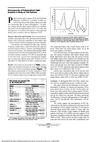 6 citations
,
August 1993 in “Archives of Dermatology”
6 citations
,
August 1993 in “Archives of Dermatology” The study found that polymorphous light eruption varies among patients and can be distinguished from benign summer light eruption by the time it takes for symptoms to appear after sun exposure.
 January 2001 in “Clinical and Experimental Dermatology”
 A test for nail fungus was most accurate with PAS stain, low-dose spironolactone helped two-thirds of acne patients, metformin reduced symptoms of HIV-related fat distribution changes with some side effects, and skin examination with dermoscopy was better at detecting abnormal moles, while temporary tattoos can cause skin reactions.
 January 2015 in “Scientific Works. Series C, Veterinary Medicine”
 Canine demodicosis diagnosis is complex due to varied symptoms and atypical presentations.
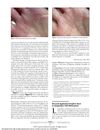 9 citations
,
May 2013 in “JAMA Dermatology”
9 citations
,
May 2013 in “JAMA Dermatology” Sunlight exposure improved a patient's skin condition, and there may be a link between a certain disease and skin growths; a leukemia treatment caused changes in hair color and growth.
 9 citations
,
July 2022 in “Dermatology and Therapy”
9 citations
,
July 2022 in “Dermatology and Therapy” The laser treatment effectively and safely improved keratosis pilaris.
 September 2025 in “International Journal of Innovative Technologies in Social Science”
 Red light therapy may help rejuvenate skin and regrow hair.
 August 2025 in “Journal of Cosmetic Dermatology”
 Topical treatments and lasers can improve axillary hyperpigmentation, but no best method is established yet.
3 citations
,
August 2024 in “Skin Research and Technology” LC-OCT can help identify lupus-related scarring hair loss by spotting unique features.
1 citations
,
December 2022 in “Skin Appendage Disorders” Teledermatology can effectively diagnose Loose Anagen Syndrome remotely.
 September 2009 in “Pediatric Dermatology”
 UVB is good for a skin condition in Asian kids, a lotion works for head lice, a drug helps with a skin blistering disorder, a foam reduces itchiness in skin inflammation, birthmarks can be more widespread, and criteria for a neurocutaneous disorder were agreed upon.
January 2024 in “Muller Journal of Medical Sciences and Research” Trichoscopy is a useful tool for diagnosing patchy hair loss, reducing the need for biopsies.
 18 citations
,
May 2013 in “Journal of Dermatological Treatment”
18 citations
,
May 2013 in “Journal of Dermatological Treatment” Non-ablative fractional laser treatments have a low risk of side effects in Asian patients.
2 citations
,
September 2023 in “Journal of the European Academy of Dermatology and Venereology” Trichoscopy is a useful tool for diagnosing different types of female hair loss without needing a biopsy.
 1 citations
,
November 2016 in “International Journal of Research in Dermatology”
1 citations
,
November 2016 in “International Journal of Research in Dermatology” The study found no significant link between the symptoms, tissue analysis, and immunofluorescence results in scarring hair loss conditions.
 March 2021 in “Revista Medicina Cutánea Ibero-Latino-Americana”
 Trichoscopy helps diagnose scarring alopecia early and non-invasively.
 August 2010 in “The Journal of Dermatology”
 The document concludes that low-dose acne treatment is most suitable for moderate acne, with high patient satisfaction and low relapse rates.
 4 citations
,
February 2014 in “Proceedings of SPIE”
4 citations
,
February 2014 in “Proceedings of SPIE” Low-Level Light Therapy is effective for skin rejuvenation, wound healing, and hair growth, with mild side effects.
13 citations
,
July 2020 in “Anais brasileiros de dermatologia/Anais Brasileiros de Dermatologia” Trichoscopy can help diagnose and monitor the progression of dissecting cellulitis.
November 2024 in “Dermatology Online Journal” Light-based therapies show promise as safe treatments for hair loss.