December 2020 in “Journal of Face Aesthetics” Trichoscopy effectively helps diagnose different types of hair loss in women.
 October 2018 in “InTech eBooks”
 The most effective treatments for hair loss are minoxidil, finasteride, PRP, and hair transplants, with steroids and immunosuppressants for autoimmune types.
 October 2017 in “Iranian Journal of Dermatology”
 Clinical exams are good for diagnosing some women's hair loss, but lab tests aren't always needed.
 January 2017 in “Turkiye Klinikleri Journal of Dermatology”
 A 9-month-old baby had a rare, persistent ring-shaped hair loss condition.
 January 2014 in “Pathology”
 The document concludes that understanding nail anatomy is key for diagnosing nail diseases, early signs of nail melanoma may allow for less aggressive treatment, and specific genetic mutations are important in thyroid cancer prognosis and treatment.
 January 2013 in “Revista brasileira de medicina”
 The study concluded that hair loss treatments should be tailored to the specific type of alopecia and individual patient needs.
January 2010 in “Actas dermo-sifiliográficas/Actas dermo-sifiliográficas” Chemical relaxers may cause scarring alopecia in black women.
Combining vertical and horizontal sectioning improves scalp biopsy analysis for alopecia.
 March 2023 in “Human Pathology”
 Hair follicle counts and ratios are helpful in diagnosing hair loss types, but should be used with other specific features for accurate diagnosis.
September 2022 in “Journal of Cosmetic Dermatology” Oral minoxidil effectively treats different types of hair loss with fewer side effects.
4 citations
,
March 2025 in “Pediatric Dermatology” Pediatric alopecia areata needs more research to understand its characteristics and related conditions.
 2 citations
,
November 2018 in “Destaques Acadêmicos”
2 citations
,
November 2018 in “Destaques Acadêmicos” Microneedling showed the most significant results for treating hair thinning in Androgenetic Alopecia.
 1 citations
,
October 2020 in “International Journal of Research in Dermatology”
1 citations
,
October 2020 in “International Journal of Research in Dermatology” The study concluded that short vellus hair and yellow dots were the most common signs of alopecia areata, indicating disease activity and remission.
 June 2026 in “Facial Plastic Surgery”
 Non-surgical hair restoration methods are evolving and important for delaying or complementing surgery.
 March 2026 in “Editora Pasteur eBooks”
 Alopecia androgenética is common hair loss affecting self-esteem, treatable with medications and procedures.
 February 2026 in “Ciencia Latina Revista Científica Multidisciplinar”
 Early recognition and thyroid evaluation are crucial for managing diffuse alopecia areata linked to autoimmune thyroid disease.
June 2025 in “Medical alphabet” JAK inhibitors may help treat alopecia areata in children, but their safety needs careful evaluation.
January 2023 in “Zenodo (CERN European Organization for Nuclear Research)” Refractory alopecia areata can be managed with medical treatments, psychological support, and aesthetic options.
 November 2022 in “Skin health and disease”
 People with hair loss conditions often have more mental health issues like depression and anxiety compared to those without hair loss.
 March 2019 in “Chinese Journal of Dermatology”
 Hair loss, known as androgenetic alopecia, is mainly caused by genetics, but also by hormone imbalances, shrinking hair follicles, inflammation, and environmental factors.
 109 citations
,
May 2011 in “Dermatologic Therapy”
109 citations
,
May 2011 in “Dermatologic Therapy” Alopecia areata is a type of hair loss that can lead to complete baldness, often associated with other autoimmune conditions, and half of the cases may see hair return within a year.
 49 citations
,
April 2000 in “Journal of The American Academy of Dermatology”
49 citations
,
April 2000 in “Journal of The American Academy of Dermatology” Despite progress in treatment, the exact cause of Alopecia areata is still unknown.
 13 citations
,
January 2011 in “International Journal of Trichology”
13 citations
,
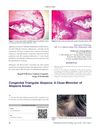
January 2011 in “International Journal of Trichology” CTA is often mistaken for AA but doesn't respond to steroids and may require hair transplantation.
2 citations
,
May 2023 in “Journal of Indian Society of Periodontology” Dental care may help improve hair loss in alopecia patients.
 1 citations
,
July 2014 in “Our Dermatology Online”
1 citations
,
July 2014 in “Our Dermatology Online” The patient with both scarring and non-scarring hair loss showed complex immune reactions and improved with steroid treatment.
 July 2023 in “IntechOpen eBooks”
 New treatments for alopecia areata show promise, but more research is needed to confirm their effectiveness.
 January 2011 in “International Journal of Trichology”
 The document concludes that doctors should recognize congenital triangular alopecia to avoid unnecessary treatments, as it does not respond to steroids like alopecia areata does.
 391 citations
,
January 2010 in “Journal of The American Academy of Dermatology”
391 citations
,
January 2010 in “Journal of The American Academy of Dermatology” Half of people with Alopecia Areata may see hair regrowth within a year without treatment, but recovery is unpredictable.
 30 citations
,
May 1991 in “Psychosomatics”
30 citations
,
May 1991 in “Psychosomatics” Some psychiatric medications can cause reversible hair loss.
 19 citations
,
June 2015 in “Seminars in Cutaneous Medicine and Surgery”
19 citations
,
June 2015 in “Seminars in Cutaneous Medicine and Surgery” There is no cure for alopecia areata, and treatment success depends on the individual's situation.