June 2026 in “Actas Dermo-Sifiliográficas” Long-hair FUE allows hair transplants without shaving but is more complex and time-consuming.
 2 citations
,
December 2013 in “Revista Colombiana de Obstetricia y Ginecología”
2 citations
,
December 2013 in “Revista Colombiana de Obstetricia y Ginecología” Modern beauty standards encourage women to remove pubic hair for aesthetic and social reasons.
 12 citations
,
July 2012 in “Social Psychological and Personality Science”
12 citations
,
July 2012 in “Social Psychological and Personality Science” Men with shaved heads are seen as more dominant but older and less attractive.
 1 citations
,
November 1992 in “Indian Dermatology Online Journal”
1 citations
,
November 1992 in “Indian Dermatology Online Journal” FUE is a popular hair restoration method that uses body hair and leaves no scars.
 June 2021 in “International journal of research in dermatology”
 Shaving and avoiding brushing improved the patient's beard hair condition.
15 citations
,
August 2004 in “Journal of the American Academy of Dermatology” Shaving can cause a viral skin infection that looks like bacterial folliculitis.
August 2022 in “Actas Dermo-Sifiliográficas”  3 citations
,
February 2021 in “Journal of Cosmetic Dermatology”
3 citations
,
February 2021 in “Journal of Cosmetic Dermatology” Long hair FUE, a hair transplant without shaving, is becoming more popular and surgeons should learn it.
July 2026 in “Journal of the American Academy of Dermatology” 66 citations
,
October 2003 in “Dermatologic clinics” Excision and laser techniques can effectively treat acne keloidalis nuchae.
 6 citations
,
December 2013 in “Medical Journal of Australia”
6 citations
,
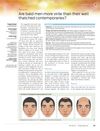
December 2013 in “Medical Journal of Australia” Bald men are not more virile and may have fewer sexual partners.
 December 2023 in “International Journal of Science and Research (IJSR)”
 FUE is a safe and effective method for beard and moustache transplants.
September 2023 in “Journal of the American Academy of Dermatology” Current guidelines may overlook beard and sideburn involvement in diagnosing frontal fibrosing alopecia in men.
 26 citations
,
August 2016 in “Actas Dermo-Sifiliográficas”
26 citations
,
August 2016 in “Actas Dermo-Sifiliográficas” Frontal Fibrosing Alopecia in men is often missed and can come with symptoms like facial bumps and hair loss on eyebrows and limbs.
96 citations
,
February 2002 in “Journal of the American Academy of Dermatology” Pseudofolliculitis barbae is a chronic skin condition affecting mainly African American and Hispanic individuals, caused by shaving tightly curled hair, and managed by prevention and treatment but not curable.
1 citations
,
January 2001 in “Acta Archaeologica Academiae Scientiarum Hungaricae” FUE is a less invasive hair restoration method that avoids visible scars and reduces recovery time.
 28 citations
,
August 2013 in “Facial Plastic Surgery Clinics of North America”
28 citations
,
August 2013 in “Facial Plastic Surgery Clinics of North America” Body and beard hair can be used for hair restoration in severely bald patients, but the technique is complex and costly.

Facial hair is crucial for gender affirmation, but many face financial barriers to achieving desired results.
2 citations
,
December 2024 in “JAAD reviews.” Modifying grooming techniques and using treatments like chemical depilatories or laser hair removal can help manage Pseudofolliculitis barbae.
 15 citations
,
March 2012 in “British journal of dermatology/British journal of dermatology, Supplement”
15 citations
,
March 2012 in “British journal of dermatology/British journal of dermatology, Supplement” Using specific cleansers and moisturizers with niacinamide improves men's skin hydration and health.
1 citations
,
November 2018 FUE is a minimally invasive hair transplant method using various donor sites.
 February 2021 in “International journal of men's social and community health”
 Online forums help understand men's concerns about baldness and show the need for better support that changes how baldness is viewed.
 2 citations
,
June 2013 in “Lasers in surgery and medicine”
2 citations
,
June 2013 in “Lasers in surgery and medicine” The hot-wire hair removal device is no better than shaving.

The FUE hair transplant technique provides a natural and satisfying solution for male pattern baldness.
Transplanting beard hair into a scalp wound after hair transplant surgery improves scar appearance and hair keeps its normal traits.
December 2010 in “SciVee” 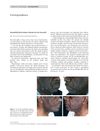 6 citations
,
May 2012 in “Clinical and experimental dermatology”
6 citations
,
May 2012 in “Clinical and experimental dermatology” Oral minoxidil can cause inflamed, ingrown hairs in the beard area.
 3 citations
,
August 2021 in “Journal of the American Academy of Dermatology”
3 citations
,
August 2021 in “Journal of the American Academy of Dermatology” Facial hair is crucial for transgender men's gender identity and transition.
9 citations
,
January 1975 in “PubMed” Nude mice are hairless due to a shared defect affecting both skin and thymus, not just thymic issues.