 October 2024 in “Journal of the Endocrine Society”
 Certain genetic variants reduce enzyme activity, contributing to non-classic congenital adrenal hyperplasia.
1 citations
,
January 1992 in “DNA sequence” Researchers found a non-functional sheep keratin gene due to mutations.
11 citations
,
January 2014 in “Dermatology” Certain SPINK5 gene mutations are common in Israeli families with Comèl-Netherton syndrome.
14 citations
,
August 2014 in “The FASEB Journal” CAP1/Prss8 does not activate PAR2 or inhibit PN-1.
10 citations
,
October 2018 in “Journal of molecular and cellular cardiology/Journal of Molecular and Cellular Cardiology” The gene NM_026333 slows down aging by affecting the NCX1 pathway and could be targeted for anti-aging treatments.
 1 citations
,
September 2017
1 citations
,
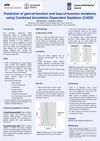
September 2017 C-scores can help predict gain-of-function and loss-of-function mutations.
 12 citations
,
February 2021 in “Translational Psychiatry”
12 citations
,
February 2021 in “Translational Psychiatry” Researchers found two new genetic variants linked to Alzheimer's disease.
 April 2026 in “Human Genome Variation”
 The MBTPS2 gene variant c.970+5G>A is a common mutation causing IFAP syndrome.
 25 citations
,
December 2018 in “Human Molecular Genetics”
25 citations
,
December 2018 in “Human Molecular Genetics” The document concludes that certain mutations may contribute to the inflammation in hidradenitis suppurativa and suggests that targeting TNFα could be a treatment strategy.
A new mutation in the TRPS1 gene caused Trichorhinophalangeal syndrome in a 17-year-old, highlighting the need for genetic testing.
 2 citations
,
July 2015 in “Archives of Dermatological Research”
2 citations
,
July 2015 in “Archives of Dermatological Research” A new gene variant in the DSP gene is linked to a unique type of hair loss.
 7 citations
,
January 2015 in “Dermatology”
7 citations
,
January 2015 in “Dermatology” Two gene variations, rs6493497 and rs7176005, may be linked to female hair loss in Chinese people.
The scant hair in snthr-1Bao mice is likely caused by a deletion affecting the Plcd1 gene.
July 2025 in “Clinical Case Reports” A new genetic mutation in the TRPS1 gene causes Trichorhinophalangeal Syndrome, leading to specific hair, dental, and bone issues.
 October 2017 in “The Indian Journal of Animal Sciences”
 The prolactin gene polymorphism doesn't affect cashmere quality in these goats.
January 2016 in “Zurich Open Repository and Archive (University of Zurich)” Dietary L-serine supplementation can reduce symptoms of HSAN1 by lowering harmful 1-deoxySL levels.
74 citations
,
October 2012 in “The American Journal of Human Genetics” Mutations in the HOXC13 gene cause hair and nail development issues.
 5 citations
,
December 2017 in “The Journal of Dermatology”
5 citations
,
December 2017 in “The Journal of Dermatology” A new gene mutation caused a man's rare skin condition, Schöpf-Schulz-Passarge syndrome.
 23 citations
,
December 2013 in “British Journal of Dermatology”
23 citations
,
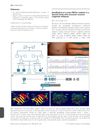
December 2013 in “British Journal of Dermatology” A new gene mutation linked to a skin condition was found in a Spanish family.
March 2022 in “Clinical Cosmetic and Investigational Dermatology” CDKN2AIP gene is less active in nevus sebaceous, affecting related RNA networks.
2 citations
,
September 2017 in “Journal of Investigative Dermatology” Notch1 signaling is impaired in hidradenitis suppurativa, affecting skin and hair cells.
April 2026 in “Human Genome Variation” Long-read RNA sequencing can identify complex gene changes in IFAP syndrome.
 October 2024 in “Journal of the Endocrine Society”
 Certain genetic variants impair enzyme activity, contributing to non-classic congenital adrenal hyperplasia.
A specific gene change in APCDD1 increases the risk of hair loss.
 January 2020 in “bioRxiv (Cold Spring Harbor Laboratory)”
 Certain genetic variants in ERN1, TACR3, and SPPL2C are linked to when Alzheimer's disease starts.
30 citations
,
January 2013 in “Human Mutation” A mutation in the HOXC13 gene causes hair and nail problems in a Syrian family.
January 2025 in “Repository of Digital Objects for Teaching Research and Culture (University of Valencia)” Non-coding RNAs may be key in diagnosing and treating rare skin disorders.

A person with a new mutation in the SCN1A gene developed brain inflammation after COVID-19.
January 2022 in “Mammalian Genome” The wavy coat in NCT mice is caused by multiple genes, including a mutation in the Prss53 gene.
7 citations
,
October 2023 in “BMC Genomics” Noncoding RNAs help determine cashmere quality in goats.