 1 citations
,
January 2018 in “Eastern Journal Of Medicine”
1 citations
,
January 2018 in “Eastern Journal Of Medicine” Topical minoxidil can cause serious heart issues in children.
61 citations
,
September 2011 in “Pain” PEA reduces pain by increasing neurosteroid synthesis in the spinal cord.
10 citations
,
January 2015 in “PubMed” 
Nepenthes kampotiana extract can potentially prevent hair loss and could be an effective treatment for common baldness.
1 citations
,
January 2025 in “Journal of Cosmetic Dermatology” Inhibiting ACE2 improves skin regeneration during tissue expansion.
18 citations
,
June 2016 in “PeerJ” Testosterone increases certain kidney protein levels, potentially raising blood pressure.
 59 citations
,
April 2016 in “Cell Reports”
59 citations
,
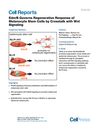
April 2016 in “Cell Reports” EdnrB signaling helps melanocyte stem cells regenerate and could be targeted to treat pigmentation issues.
42 citations
,
August 2012 in “Psychoneuroendocrinology” Finasteride reduces certain behaviors caused by D1-like receptor agonists but not by D2-like receptor agonists in mice.
64 citations
,
May 2015 in “Cell Cycle” Hair follicle stem cells can become heart muscle cells.
53 citations
,
October 2011 in “Psychoneuroendocrinology” Finasteride may help improve certain brain function issues linked to dopamine.
 June 2024 in “International journal of molecular sciences”
 Adenosine complex helps increase hair thickness and density in hair loss.
 14 citations
,
October 1977 in “The Lancet” 16 citations
,
April 1998 in “Journal of Investigative Dermatology”
14 citations
,
October 1977 in “The Lancet” 16 citations
,
April 1998 in “Journal of Investigative Dermatology” ACTH promotes hair growth in mink, but α-MSH does not.
 17 citations
,
April 1972 in “PubMed”
17 citations
,
April 1972 in “PubMed” Minoxidil lowers blood pressure and spreads throughout the body in normal rats.
 28 citations
,
October 2011 in “International Journal of Molecular Medicine”
28 citations
,
October 2011 in “International Journal of Molecular Medicine” Adenosine helps hair grow longer and stronger by boosting certain growth factors and signaling pathways.
 7 citations
,
January 2020 in “Nature”
7 citations
,
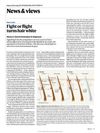
January 2020 in “Nature” Stress turns hair white by depleting color-giving cells in hair follicles through a specific neurotransmitter related to the body's stress response.
 22 citations
,
January 1979 in “JAMA”
22 citations
,
January 1979 in “JAMA” Minoxidil can lower blood pressure effectively and safely in emergencies.
April 2017 in “The journal of investigative dermatology/Journal of investigative dermatology” Human hair follicles can be used to create heart muscle cells.
9 citations
,
August 2021 in “Biomedicines” 17β-estradiol boosts APE1/Ref-1 secretion in cells and mice via a calcium-dependent pathway.
 9 citations
,
August 2005 in “Experimental Dermatology”
9 citations
,
August 2005 in “Experimental Dermatology” Modified pep7, named EPM peptide, effectively promotes hair growth at low concentrations and works well with minoxidil.
 May 2022 in “Голова и шея.”
 Sinus lifting and septoplasty in rats increased sympathetic nervous activity and caused metabolic changes after surgery.
 March 2025 in “The FASEB Journal”
 Intense stress stops hair growth by halting hair follicle stem cell activity.
1 citations
,
May 2022 in “Reproductive Endocrinology” Conditioned media from glial cell cultures improved uterine contractions in older rats.
 39 citations
,
May 2010 in “Stem Cells”
39 citations
,
May 2010 in “Stem Cells” Ephrins slow down skin and hair follicle cell growth.
42 citations
,
February 2019 in “Circulation” Targeting ATM could help manage heart cell enlargement due to pressure overload.
17 citations
,
October 2015 in “The Journal of Physiology” Combining progesterone with caffeine worsens breathing issues in newborns.
 4 citations
,
May 2019 in “Biology open”
4 citations
,
May 2019 in “Biology open” Testosterone reduces heart damage and inflammation after injury.
 6 citations
,
July 2015 in “Australasian Journal of Dermatology”
6 citations
,
July 2015 in “Australasian Journal of Dermatology” A man developed an allergic skin reaction after using brimonidine for rosacea.
December 2016 in “Chinese Journal of Dermatology” Adenosine boosts hair growth by increasing angiogenin levels.
 24 citations
,
January 2012 in “Journal of Cellular Biochemistry”
24 citations
,
January 2012 in “Journal of Cellular Biochemistry” C-reactive protein helps monocytes stick to blood vessel cells by causing oxidative stress.