 1 citations
,
March 2021 in “Dermatological reviews”
1 citations
,
March 2021 in “Dermatological reviews” AGA, a common hair loss, is caused by genetics, hormones, age, and environmental factors.
 1 citations
,
November 2020 in “Journal of The American Academy of Dermatology”
1 citations
,
November 2020 in “Journal of The American Academy of Dermatology” PRP helps treat hair loss effectively with natural methods.
 1 citations
,
September 2019 in “Practica medicală”
1 citations
,
September 2019 in “Practica medicală” Hair loss is linked to heart disease and metabolic syndrome, and while current treatments vary in effectiveness, more research is needed for better solutions.
 1 citations
,
January 2019 in “PubMed”
1 citations
,
January 2019 in “PubMed” Baldness score can't be used to predict prostate size.
 1 citations
,
November 2018 in “International research journal of pharmacy”
1 citations
,
November 2018 in “International research journal of pharmacy” Platelet Rich Plasma (PRP) treatment is safe and effective for hair growth in people with androgenic alopecia, and can also help treat bacterial infections.
 1 citations
,
July 2018 in “Elsevier eBooks”
1 citations
,
July 2018 in “Elsevier eBooks” Heredity and hormones cause common hair loss, and topical minoxidil is the first recommended treatment.
 1 citations
,
August 2017
1 citations
,
August 2017 Minoxidil helps stimulate hair growth and enlarge small follicles in common hair loss, but doesn't stop it, and its effects can be boosted when combined with finasteride.
 1 citations
,
July 2017 in “Journal der Deutschen Dermatologischen Gesellschaft”
1 citations
,
July 2017 in “Journal der Deutschen Dermatologischen Gesellschaft” Topical caffeine improves hair loss intensity, speed, and shedding, and works better with minoxidil/azelaic acid.
 1 citations
,
November 2016 in “Journal of the Dermatology Nurses’ Association”
1 citations
,
November 2016 in “Journal of the Dermatology Nurses’ Association” Finasteride treats hair loss but may cause side effects like low libido and dizziness.
 1 citations
,
July 2016 in “International Journal of Dermatology”
1 citations
,
July 2016 in “International Journal of Dermatology” Androgenetic alopecia is less common in Chilean Mapuche than Caucasians, but more common than Asians, with racial differences in prevalence and types.
 1 citations
,
January 2016 in “Hair therapy & transplantation”
1 citations
,
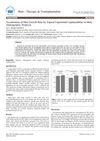
January 2016 in “Hair therapy & transplantation” Liposomal cepharanthine lotion speeds up hair growth in men with early balding.
 1 citations
,
October 2015 in “Renal Failure”
1 citations
,
October 2015 in “Renal Failure” Hair loss linked to kidney stones in people under 60.
 1 citations
,
January 2015 in “Springer eBooks”
1 citations
,
January 2015 in “Springer eBooks” AGA is a common hair loss disorder, and early diagnosis and treatment with minoxidil or finasteride can help reduce emotional distress.
 1 citations
,
April 2009 in “Cochrane Database of Systematic Reviews”
1 citations
,
April 2009 in “Cochrane Database of Systematic Reviews” Review finds no permanent solution for female hair loss.
 1 citations
,
January 2009 in “Cochrane Database of Systematic Reviews”
1 citations
,
January 2009 in “Cochrane Database of Systematic Reviews” Review determines effective, safe treatments for female hair loss.
 June 2026 in “European Medical Journal”
 More severe hair loss is linked to more sexual dysfunction in both men and women.
 March 2026 in “Journal of Pakistan Association of Dermatologists”
 Low-dose oral minoxidil is more effective and convenient for treating male pattern baldness than topical minoxidil.
 March 2026 in “Open MIND”
 PRP and microneedling improve hair growth in early-stage alopecia, but effects reverse if treatment stops.

Lower vitamin D levels are linked to more severe hair loss in men.
 January 2026 in “Frontiers in Pharmacology”
 Minoxidil can treat hair loss with topical, oral, and sublingual options, offering personalized choices.
 January 2026 in “Clinical Cosmetic and Investigational Dermatology”
 Early diagnosis and targeted anti-inflammatory treatments can improve outcomes in androgenetic alopecia with perifollicular inflammation and fibrosis.
 January 2026 in “International Journal of Dermatology Venereology and Leprosy Sciences”
 Intradermal dutasteride effectively and safely improves hair growth in early-stage androgenetic alopecia.
 December 2025 in “IP Indian Journal of Clinical and Experimental Dermatology”
 Androgenetic alopecia treatments are becoming more personalized and include new therapies like topical antiandrogens and regenerative strategies.
 November 2025 in “Eduvest - Journal Of Universal Studies”
 PRP and minoxidil improved hair growth in a young man with no side effects.
 October 2025 in “Asian Journal of Oral Health and Allied Sciences”
 Autologous growth factor concentrate therapy shows promise for treating early-stage hair loss safely and effectively.
 September 2025 in “International Journal For Multidisciplinary Research”
 Androgenetic alopecia is linked to a higher risk of metabolic syndrome.
 December 2024 in “Archives of Clinical & Experimental Dermatology”
 Combining stem cells with minoxidil improves hair growth more than minoxidil alone.

Men with androgenetic alopecia may have a higher risk of metabolic syndrome.

The combined treatment increased hair density in most patients with Androgenetic Alopecia.
 May 2024 in “International journal of research in dermatology”
 Low vitamin D levels are linked to increased risk of male pattern baldness.