 January 2016 in “Georg Thieme Verlag eBooks”
 Hair transplantation in East Asians needs special techniques to ensure natural results and prevent complications due to their unique hair and scalp characteristics.
 February 2015 in “Dermatologic Surgery”
 Smaller reticle sizes are as accurate as the standard size for measuring hair density in hair restoration.
 January 2015 in “Hair therapy & transplantation”
 New hair and scalp disease diagnosis methods are important for correct treatment.
 March 2013 in “Revista Brasileira de Cirurgia Plástica”
 Using platelet growth factors can improve hair density in transplants, especially for those with fine hair.
 January 2013 in “Anthropology”
 Untreated androgenetic alopecia leads to progressive hair loss in men.
 September 2004 in “Atlas of the Oral and Maxillofacial Surgery Clinics”
 Hair restoration surgery techniques can effectively treat scalp deformities and have evolved to provide natural-looking results.
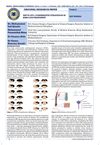 November 2025 in “PARIPEX-INDIAN JOURNAL OF RESEARCH”
 GFC is more effective than PRP for treating hair loss.
 December 2024 in “Archives of Clinical & Experimental Dermatology”
 Combining stem cells with minoxidil improves hair growth more than minoxidil alone.
 July 2021 in “Archives of Dermatological Research”
 Alopecia patients have less GPER-1, which might affect hair loss.
 March 2021 in “PARIPEX INDIAN JOURNAL OF RESEARCH”
 Microneedling combined with platelet-rich plasma therapy is more effective for hair regrowth in androgenic alopecia than microneedling alone, but it's more painful.
 June 2020 in “Journal of Evolution of medical and Dental Sciences”
 Platelet Rich Plasma (PRP) treatment effectively reduces hair fall and increases hair growth in patients with Androgenetic Alopecia (AGA), but it may cause pain.
 July 2019 in “Dermatología Cosmética, Médica y Quirúrgica”
 Small injections of dutasteride improved hair thickness in men with hair loss without major side effects.
 July 2019 in “International journal of contemporary medical research”
 Men with genetic hair loss are more likely to have abnormal blood lipid levels, especially if the hair loss is severe.
 June 2018 in “Advances in Cosmetic Surgery”
 Hair loss caused by genetics and hormones; more research needed for treatments.

AGA causes permanent hair loss; women use 2% minoxidil, men use 1 mg finasteride daily.
 July 2011 in “British Journal of Dermatology”
 Hormone treatment caused hair loss, finasteride helped regrowth.
 January 2009 in “Egyptian Journal of Medical Human Genetics”
 The study suggests that a specific gene variation and higher gene activity are linked to increased baldness in Egyptian men.
 April 2008 in “Blackwell Publishing Ltd eBooks”
 AGA causes permanent hair loss; minoxidil helps men, finasteride helps men, minoxidil somewhat helps women, estrogens/antiandrogens lack evidence for women.
 November 1999 in “Journal of Cutaneous Medicine and Surgery”
 Treatments for hair loss include hormone modifiers, minoxidil, and hair transplant surgery.
 142 citations
,
August 2007 in “Journal of The American Academy of Dermatology”
142 citations
,
August 2007 in “Journal of The American Academy of Dermatology” New 5% minoxidil foam effectively promotes hair growth and is safe for use.
 136 citations
,
April 2016 in “Dermatologic Surgery”
136 citations
,
April 2016 in “Dermatologic Surgery” PRP treatment helps hair growth and density in androgenetic alopecia patients.
 32 citations
,
November 2012 in “Aesthetic Surgery Journal”
32 citations
,
November 2012 in “Aesthetic Surgery Journal” Hair restoration surgery has advanced, focusing on natural results and may improve further with new techniques and therapies.
 22 citations
,
May 2000 in “American Journal of Clinical Dermatology”
22 citations
,
May 2000 in “American Journal of Clinical Dermatology” Treatments for common hair loss include minoxidil, finasteride, and hair transplantation.
 11 citations
,
January 2015 in “Current problems in dermatology”
11 citations
,
January 2015 in “Current problems in dermatology” The conclusion is that treatments like finasteride and minoxidil can prevent baldness progression and improve hair density, but more research is needed on other therapies.
 198 citations
,
October 2011 in “Journal der Deutschen Dermatologischen Gesellschaft”
198 citations
,
October 2011 in “Journal der Deutschen Dermatologischen Gesellschaft” Use minoxidil for hair loss; finasteride and dutasteride for men, dutasteride for women.
 16 citations
,
September 2018 in “Journal of Ethnopharmacology”
16 citations
,
September 2018 in “Journal of Ethnopharmacology” Plant-based remedies may treat hair loss by reducing inflammation and improving insulin resistance.
 6 citations
,
September 2019 in “Journal of Cosmetic Dermatology”
6 citations
,
September 2019 in “Journal of Cosmetic Dermatology” Laser treatment effectively increases hair density and thickness in androgenic alopecia.
 2 citations
,
August 2020 in “Cosmetics”
2 citations
,
August 2020 in “Cosmetics” Herbal formula shows promise for hair loss treatment.

Modern hair restoration techniques can effectively treat hair loss and provide natural-looking results.
 160 citations
,
January 2009 in “Clinical Drug Investigation”
160 citations
,
January 2009 in “Clinical Drug Investigation” HairMax LaserComb® effectively promotes hair growth and stops hair loss in males with androgenetic alopecia, with no serious side effects.