 102 citations
,
January 2003 in “Dermatology”
102 citations
,
January 2003 in “Dermatology” Smoking may contribute to hair loss in men.
 32 citations
,
July 2020 in “Journal of The American Academy of Dermatology”
32 citations
,
July 2020 in “Journal of The American Academy of Dermatology” AGA linked to worse COVID-19 outcomes in men.
 September 2009 in “European Urology Supplements”
 Surgery for high-risk prostate cancer is challenging but doesn't lead to more complications, and additional treatment is often needed.
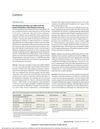 6 citations
,
April 2017 in “JAMA Dermatology”
6 citations
,
April 2017 in “JAMA Dermatology” Men's hair loss is not linked to their sex hormone levels, except for lower DHEAS in those with hair loss.
 1 citations
,
March 2019 in “Economic Inquiry”
1 citations
,
March 2019 in “Economic Inquiry” Balding men value hair restoration highly, willing to pay over $5,000 for a slight improvement.
 September 2024 in “Indian Journal of Dermatology”
 Trichoscopy effectively diagnoses and assesses the severity of androgenetic alopecia.
 27 citations
,
February 2014 in “Experimental Dermatology”
27 citations
,
February 2014 in “Experimental Dermatology” IGF-1 affects hair loss and could be a potential treatment.
 1 citations
,
April 2020 in “Magnetic Resonance in Medical Sciences”
1 citations
,
April 2020 in “Magnetic Resonance in Medical Sciences” MRI helps evaluate androgenetic alopecia severity.
 November 2018 in “Springer eBooks”
 Finasteride and minoxidil are effective, low-risk treatments for male hair loss, and patient education on these therapies is important.
 September 1998 in “Journal of the European Academy of Dermatology and Venereology”
 Autoimmune and inflammatory processes are involved in both scarring and non-scarring types of hair loss.
 28 citations
,
March 2007 in “Journal of The European Academy of Dermatology and Venereology”
28 citations
,
March 2007 in “Journal of The European Academy of Dermatology and Venereology” At least 87% of Indian men experience hair loss, with type II being most common and severity increasing with age.
June 2021 in “Egyptian Journal of Dermatology and Venereology” Psoriasis, acne, and hair loss are linked to unhealthy cholesterol levels, increasing heart disease risk.
October 2015 in “Vestnik dermatologii i venerologii” Alopecia significantly harms emotional and social well-being.
12 citations
,
January 2019 in “International Journal of Trichology” Trichoscopy is useful for detecting and monitoring androgenetic alopecia.
 7 citations
,
February 2016 in “Dermatology and therapy”
7 citations
,
February 2016 in “Dermatology and therapy” t-Flavanone helps improve male pattern hair loss by making hair roots stronger.
 2 citations
,
January 2019 in “BMC Cancer”
2 citations
,
January 2019 in “BMC Cancer” Baldness may lower the risk of testicular cancer.
Balding in men worsens with age.
 September 2023 in “Cureus”
 Topical finasteride might be a good alternative for hair loss treatment with fewer side effects, but more research is needed.
 January 2010 in “Ciencia UANL”
 Young men with hair loss may have a higher risk of insulin resistance and related health issues.
 6 citations
,
May 2006 in “Skinmed”
6 citations
,
May 2006 in “Skinmed” Androgens contribute to common male hair loss; more research needed for hair growth medication.
 December 2025 in “Frontiers in Medicine”
 Biofibre ® 4.0 hair implants are safe and satisfy most patients with hair loss.
 29 citations
,
October 2011 in “British Journal of Dermatology”
29 citations
,
October 2011 in “British Journal of Dermatology” Certain microRNAs are more common in balding areas and might be involved in male pattern baldness.
1 citations
,
December 1995 in “Archives of Dermatology” The combination of topical minoxidil and oral finasteride improved hair regrowth in a man with advanced hair loss.
 October 2025 in “Dermatology Practical & Conceptual”
 ChatGPT 4.0 and Gemini 1.5 Flash are effective for educating patients about androgenetic alopecia, while Deepseek R1 is less reliable.
May 2025 in “UNESP Institutional Repository (São Paulo State University)” The 5 mg dose of oral minoxidil is not more effective than the 2.5 mg dose for treating male hair loss.
April 2023 in “UNESP Institutional Repository (São Paulo State University)” Oral and topical minoxidil are similarly effective for hair growth, but oral may work better on the top of the head.
January 2026 in “Journal of Cosmetic Dermatology” Topical 4-aminopyridine 5% does not improve hair growth in male pattern baldness.
 28 citations
,
June 2010 in “European Journal of Cancer”
28 citations
,
June 2010 in “European Journal of Cancer” Baldness at age 40 is not linked to a higher risk of aggressive prostate cancer.
December 2021 in “BMJ Open” Androgenetic alopecia in men aged 46 is not significantly linked to depression, anxiety, quality of life, self-esteem, or sexual symptoms.
 17 citations
,
November 2012 in “Cancer Epidemiology, Biomarkers & Prevention”
17 citations
,
November 2012 in “Cancer Epidemiology, Biomarkers & Prevention” Early balding at 40 increases prostate cancer risk.