 1 citations
,
January 1971 in “Acta dermato-venereologica”
1 citations
,
January 1971 in “Acta dermato-venereologica” Mice hair follicles take in the amino acid cystine.
Genetic testing can help diagnose skin conditions but needs more research for full effectiveness.
52 citations
,
July 2011 in “PubMed” TRPS1 is crucial for bone, kidney, and hair follicle development.
14 citations
,
August 2021 in “Molecular Genetics and Metabolism Reports” Pegvaliase effectively reduces blood phenylalanine levels in most PKU patients, but requires personalized plans and good communication to manage side effects.
January 2002 in “映像情報メディア学会技術報告” Some prostate cancers have gene changes that may affect treatment with certain drugs.
18 citations
,
November 2016 in “Transgenic research” Overexpressing Tβ4 in cashmere goats improves hair fiber traits and increases cashmere yield.
July 2024 in “Journal of Investigative Dermatology” A KLK5 inhibitor effectively improved skin symptoms in a mouse model of Netherton Syndrome.
54 citations
,
December 2011 in “American Journal Of Pathology” A Gsdma3 mutation causes hair loss due to stem cell damage from skin inflammation.
Keratinocytes can reverse the effects of the GNAQ oncogene, inhibiting melanoma cell growth.
 May 2022 in “Experimental dermatology”
 Trichothiodystrophy hair is structurally abnormal with protein and organization issues.
 52 citations
,
October 2012 in “Journal of Dermatological Science”
52 citations
,
October 2012 in “Journal of Dermatological Science” The document concludes that mouse models are crucial for studying hair biology and that all mutant mice may have hair growth abnormalities that require detailed analysis to identify.
 10 citations
,
November 2018 in “Genetics in medicine”
10 citations
,
November 2018 in “Genetics in medicine” Lack of cystatin M/E causes thin hair and dry skin.
May 2010 in “Europe PMC (PubMed Central)” Near-infrared probes can safely and effectively image cysteine protease activity for disease diagnosis.
 January 2023 in “Skin appendage disorders”
 Two Hispanic women developed Plica neuropathica, a condition causing tangled hair, possibly due to hair damage and various risk factors.
October 2021 in “Postepy Dermatologii I Alergologii” No significant link was found between the studied genes and female hair loss in the Polish population.
 May 2026 in “Research Square”
 The polyG fragment in Hoxc13 protein helps evolve mammalian skin and hair by enhancing gene interactions.
8 citations
,
January 2011 in “International journal of trichology” Accurate diagnosis of APL is crucial to avoid unnecessary treatments.
 January 2025 in “Cellular and Molecular Biology”
 The PIP5K1A gene helps cashmere growth in goats by promoting cell proliferation, and melatonin boosts its expression.
10 citations
,
April 2013 in “Journal of Investigative Dermatology” Epidermolytic ichthyosis can be inherited in a semidominant way with mild symptoms in carriers.
 June 2018 in “Journal of Dermatological Science”
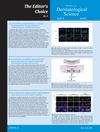
 UV radiation may cause DNA changes in skin, certain UVB therapy helps psoriasis, a new gene mutation is linked to mild piebaldism, different immune cells affect psoriasis, a drug promotes hair growth, and some cancer drugs could treat skin barrier issues.
 April 2017 in “The journal of investigative dermatology/Journal of investigative dermatology”
 HSD11b1 affects skin nerves and increases non-histaminergic itch.
 5 citations
,
October 2015 in “The American journal of pathology”
5 citations
,
October 2015 in “The American journal of pathology” Mice with a mutated Dsg3 gene showed severe symptoms but not the typical blistering of pemphigus vulgaris.

Not having the gene PLAAT3 leads to fat loss, high insulin resistance, and abnormal fat levels in the blood due to a disruption in fat cell development and function.
5 citations
,
August 1925 in “Archives of dermatology” An 8-year-old boy with Recklinghausen's Disease shows various symptoms and is from a family with close genetic ties.
3 citations
,
September 2022 in “European Journal of Dermatology” Gene sequencing is crucial for diagnosing Junctional epidermolysis bullosa.
 January 2026 in “Frontiers in Medicine”
 A child has a rare hair and skin disorder due to specific gene variants, suggesting broader genetic testing is needed.
 4 citations
,
February 2025 in “BMC Genomics”
4 citations
,
February 2025 in “BMC Genomics” Black wool in Qira sheep is linked to specific gene mutations, especially in the TYRP1 gene.
10 citations
,
November 2008 in “Veterinary Dermatology” The mouse hairy ears mutation causes longer ear hair due to changes in gene expression.
37 citations
,
April 2018 in “Journal of Allergy and Clinical Immunology” A mutation in the IKZF1 gene causes immune system overactivity, linked to autoimmune diseases like lupus.
21 citations
,
May 2024 in “American Journal of Medical Genetics Part A” Myhre syndrome symptoms worsen over time, with specific genetic variants affecting severity.