 June 2024 in “British Journal of Dermatology”
 KRT14 gene variants cause dermatopathia pigmentosa reticularis, affecting nails, teeth, and hair.
April 2026 in “International Journal of Dermatology” PRP injections are safe for hair loss treatment, but monitoring and sun protection are advised.
April 2022 in “Microbiology and Immunology” A specific DNA pattern in Malassezia restricta may be linked to hair loss in men.
 January 2023 in “Al-Azhar International Medical Journal /Al-Azhar International Medical Journal”
 Acne patients have higher mTOR gene expression.
January 2026 in “Case Reports in Dermatological Medicine” Intralesional steroids effectively treated a young female's scalp nodules without recurrence.
May 2025 in “International Journal of Women’s Dermatology” 5-alpha reductase inhibitors and spironolactone don't increase gynecological tumor risk, glucagon-like-peptide-1 receptor agonists may increase alopecia risk, sanitary pads can cause dermatitis, early hidradenitis suppurativa intervention is crucial for Hispanic patients, community education boosts skin cancer awareness, metformin may improve skin cancer survival, LNG-IUDs can increase acne risk, machine learning accurately detects basal cell carcinoma, JAK-inhibitors may raise miscarriage risk, inclusive skincare ads affect those with darker skin, and CCCA in Black women might involve autoimmunity.
June 2024 in “Dermatopathology” A rare type of skin cancer on the scalp can be mistaken for hair loss, causing delayed diagnosis and severe damage.
 October 2007 in “Journal of Investigative Dermatology”
 The document suggests a bacteria plays a significant role in acne rosacea and that white hair can regain color after transplant, meriting more research on reversing grey hair.
 October 2014 in “Cancer Research”
 A new topical treatment may prevent hair loss from cancer therapy by adjusting cell death processes in hair follicles.
 1 citations
,
September 2025 in “Journal of Zhejiang University SCIENCE B”
1 citations
,
September 2025 in “Journal of Zhejiang University SCIENCE B” Photodynamic therapy successfully treated skin cancer in a 53-year-old woman.
 April 2026 in “bioRxiv (Cold Spring Harbor Laboratory)”
 A new microneedle patch significantly improves melanoma treatment by using a special material to activate cancer-fighting drugs and disrupt cancer cells.
 1 citations
,
March 2024 in “Ophthalmic Plastic and Reconstructive Surgery”
1 citations
,
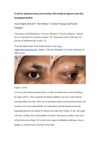
March 2024 in “Ophthalmic Plastic and Reconstructive Surgery” A pilomatrixoma in the eyebrow can cause hair loss and skin lightening.
62 citations
,
December 1966 in “Endocrinology” Injecting α-MSH made mice's hair turn black.
 September 2006 in “Dermatologic Surgery”
 Some aggressive scalp cancers are hard to treat and can be deadly, even when removed with specialized surgery.
70 citations
,
December 2004 in “Proceedings of the National Academy of Sciences” BMP signaling affects hair color by interacting with the MC-1R pathway.
3 citations
,
October 2024 in “Archives of Dermatological Research” Alopecia areata is linked to blood cancers, especially in older patients, but not to most solid cancers.
 1 citations
,
November 2017 in “The journal of investigative dermatology/Journal of investigative dermatology”
1 citations
,
November 2017 in “The journal of investigative dermatology/Journal of investigative dermatology” Mohs micrographic surgery is effective for treating basal cell carcinoma on the eyelid, while radiotherapy has higher recurrence rates, and topical vitamin D3 may reduce and delay BCC formation in mice.
 23 citations
,
January 2014 in “International Journal of Biological Sciences”
23 citations
,
January 2014 in “International Journal of Biological Sciences” African American men with prostate cancer have more androgen receptor mutations, which may lead to more aggressive cancer compared to Caucasian American men.
November 2021 in “OPAL (Open@LaTrobe) (La Trobe University)” Melatonin may treat rosacea and Alzheimer's by reducing inflammation and affecting blood vessel growth.
 6 citations
,
January 2018 in “Dermato-endocrinology”
6 citations
,
January 2018 in “Dermato-endocrinology” Darkened knuckles can be an early sign of insulin resistance.
 6 citations
,
October 2018 in “Bioelectromagnetics”
6 citations
,
October 2018 in “Bioelectromagnetics” Rice bran extract and low-frequency electromagnetic fields together may help treat vitiligo and white hair.
3 citations
,
May 2020 in “Acta pharmaceutica” Protocatechuic acid can reduce melanin production and boost antioxidant activity in hair follicles.
 August 1986 in “Journal of The American Academy of Dermatology”
 Minoxidil showed a 30% success rate for hair growth in a study, and various skin treatments were effective, but some had limitations or side effects.
 April 2023 in “The journal of investigative dermatology/Journal of investigative dermatology”
 Activating mitophagy may help manage a key immune response involved in the hair loss condition alopecia areata.
 30 citations
,
April 2013 in “Journal of Investigative Dermatology”
30 citations
,
April 2013 in “Journal of Investigative Dermatology” Radiation mainly affects keratinocyte stem cells, not melanocyte stem cells, causing hair to gray.
March 2025 in “Archives of Dermatological Research” miR-155-5p can help diagnose and track alopecia areata severity.
26 citations
,
February 2015 in “Pediatric blood & cancer” Targeted anticancer therapies in children often cause skin side effects like rash and dry skin.
6 citations
,
September 2024 in “Journal of the American Academy of Dermatology” Oral 5-alpha reductase inhibitors do not increase breast cancer or benign breast disorder risk in women.
1 citations
,
October 2007 in “The Cancer Handbook” Malignant melanoma is the deadliest skin cancer, while BCC is the most common but rarely spreads, and SCC is more aggressive than BCC.