 July 2018 in “International journal of clinical & experimental dermatology”
 Eat a balanced diet for healthy hair; only use supplements if you have a proven nutrient deficiency.
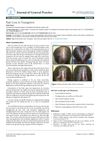 January 2018 in “Journal of general practice”
 Young people are losing hair due to stress, poor diet, pollution, and lack of sleep, but it can be treated with supplements and scalp treatments.
 May 2017 in “InTech eBooks”
 Early treatment of children's hair loss, which can be caused by various factors, is important due to its emotional impact.
 January 2017 in “International journal of clinical & experimental dermatology”
 Eating a balanced diet with vitamins, micronutrients, and antioxidants is important for hair health and can help with hair loss.
The document concludes that hair loss in women is complex, often linked to aging, health conditions, and nutritional deficiencies, and emotional impacts should not be underestimated.
January 2016 in “MRIMS Journal of Health Sciences” Good cultural practices and proper nutrition can prevent hair loss in girls.
 January 2015 in “Endocrine updates”
 Bariatric surgery patients need careful before and after surgery care for safety and long-term health.
January 2015 in “Rawal Medical Journal” Telogen effluvium is the main cause of hair loss in women in Karak, followed by androgenetic alopecia.
 September 2014 in “Proceedings of SPIE, the International Society for Optical Engineering/Proceedings of SPIE”
 OCT can effectively examine and reveal details about human hair and scalp conditions.

To prevent wool loss in sheep, provide balanced nutrition and reduce stress.
 January 2013 in “Dermatologic Clinics”
 Hair disorders need a holistic approach, including medical, cosmetic, and psychological support.
 June 2012 in “Springer eBooks”
 Eating disorders can cause various hair problems, and while hair loss in these disorders is linked to metabolic syndrome, treatment focuses on specific medications and lifestyle changes for the syndrome.
 September 2009 in “Dermato-endocrinology”
 Good nutrition and vitamins are important for healthy skin and can prevent diseases.
July 2008 in “International Society of Hair Restoration Surgery” Total Body Mega Formula supplement can cause severe hair loss due to selenium toxicity.
September 2006 in “Baghdad Science Journal” Pregnant and breastfeeding women may experience hair loss if they don't get enough essential vitamins and minerals.
 March 2003 in “CRC Press eBooks”
 Telogen effluvium is hair loss caused by many hairs stopping growth suddenly, often due to stress or illness, but sometimes it's normal and not due to disease.
 January 2003 in “Postgraduate medicine”
 The article concludes that hair loss has many causes and treatments, with medication options like finasteride and minoxidil for men, and minoxidil, hormones, or iron for women, while warning against unproven remedies.
 January 2000 in “대한피부과학회지”
 Hair loss was most commonly due to alopecia areata, androgenetic alopecia, and telogen effluvium, with a higher number of cases in the 1990s and equal occurrence in men and women.
 January 1998 in “Current Therapeutics”
 Different causes of hair loss require specific treatments, and most men and women will experience some form of hair thinning as they age.
 June 1989 in “Diseases of the Colon & Rectum”
 Some patients experience temporary hair loss after ulcerative colitis surgery, likely due to illness rather than the surgery itself, and it usually grows back within six months.
Collagen CLR and placenta extract may help treat diffuse hair loss.
August 2022 in “Nutrients” Nutritional supplements may help improve hair growth in female pattern hair loss.
March 2022 in “Hair transplant forum international” Nutritional correction can restore hair loss caused by stress.
December 2021 in “International Journal of Research in Dermatology” Early diagnosis and personalized treatment are crucial for managing hair loss in India.
June 2020 in “Journal of Face Aesthetics” PRP mesotherapy can effectively treat male hair loss with minimal side effects.
 April 2019 in “Journal of emerging technologies and innovative research”
 Early treatment of Female Pattern Hair Loss is important to stop it from getting worse, and various treatments can help, especially in mild to moderate cases.
Mesotherapy is more effective and preferred for female hair loss than topical minoxidil.

Iron and zinc deficiencies may be treated to help female hair loss.
 July 2012 in “Hair transplant forum international”
 Lifestyle choices like stress, smoking, heavy drinking, sun exposure, and chemical hair treatments might speed up hair loss in people with androgenetic alopecia.
64 citations
,
April 1972 in “American Journal of Clinical Nutrition” Hair chromium levels reflect nutritional status after standard washing.