IVL-DrugFluidic® can mass-produce high-quality, long-acting injectable drug microspheres, improving patient compliance and reducing side effects.
November 2024 in “Journal of Investigative Dermatology” Genetic defects in the Wnt/PCP pathway may cause congenital yellow nail syndrome.
3 citations
,
June 2025 in “Biomedical Reports” Nanotechnology can improve cervical cancer treatment by targeting drugs better and reducing side effects.
 August 2020 in “Revista de chimie”
 Nitroglycerin ointment is now used to treat several skin conditions with fewer side effects.
40 citations
,
November 1966 in “Archives of Dermatology” Trichorrhexis nodosa is mainly caused by hair trauma and improves with gentler hair care.
 4 citations
,
January 2016 in “Dermatology practical & conceptual”
4 citations
,
January 2016 in “Dermatology practical & conceptual” A man developed a rare skin condition after a hair transplant surgery.
 17 citations
,
January 2011 in “The Korean Journal of Hepatology”
17 citations
,
January 2011 in “The Korean Journal of Hepatology” Vogt-Koyanagi-Harada disease can develop during interferon therapy for chronic hepatitis C.
 17 citations
,
June 2019 in “BMC genomics”
17 citations
,
June 2019 in “BMC genomics” Non-coding RNAs help control hair growth in cashmere goats.
15 citations
,
March 2007 in “BioTechniques” The assay quickly identifies substances that increase or decrease blood vessel growth.
 7 citations
,
October 2024 in “AAPS PharmSciTech”
7 citations
,
October 2024 in “AAPS PharmSciTech” CA-SLN-Ngel significantly reduces cellulite more effectively than regular caffeine gel.
 January 2024 in “Archives of dermatological research”
 Both treatments for alopecia areata showed similar modest effectiveness.
 131 citations
,
May 2015 in “Experimental Dermatology”
131 citations
,
May 2015 in “Experimental Dermatology” Microneedles help improve skin appearance and deliver skin treatments effectively, but safety concerns need more research and regulation.
1 citations
,
April 2024 in “Journal of Cutaneous Pathology” Recurrent NICF is a rare skin condition with unclear causes, involving follicle inflammation and crystal deposits.
May 2023 in “Zenodo (CERN European Organization for Nuclear Research)” Forensic DNA phenotyping can predict physical traits from DNA but faces challenges in knowledge and ethics.
 April 2018 in “Journal of Investigative Dermatology”
 NDRG1 protein helps infantile hemangioma, a common infant tumor, to grow, and its mismanagement by FOXO1 protein plays a big role in causing the tumor.
 8 citations
,
March 2016 in “Hair transplant forum international”
8 citations
,
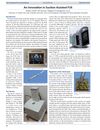
March 2016 in “Hair transplant forum international” The new FUE device improves hair transplant safety and efficiency.
6 citations
,
March 2024 in “Saudi Pharmaceutical Journal” The new delivery system could improve pain and inflammation relief in gout.
 April 2025 in “Journal of Cosmetic and Laser Therapy”
 QR678 Neo® improves hair transplant success and hair regrowth.
34 citations
,
August 2015 in “Frontiers in Behavioral Neuroscience” Allopregnanolone affects fear responses differently in male and female rats, possibly explaining sex differences in anxiety disorders.
Optimized carriers effectively deliver Finasteride for hair loss treatment.
6 citations
,
June 2025 in “Nano Biomedicine and Engineering” Smart nano-PROTACs improve cancer treatment by targeting proteins more precisely and reducing side effects.
June 2007 in “Taiwan Journal of Ophthalmology” Young patients with Vogt-Koyanagi-Harada syndrome may have poor vision outcomes despite treatment due to frequent recurrences.
December 2025 in “Agriculture” Sansevieria and Dracaena are evolutionarily linked, and a specific gene marker can distinguish closely related species.
April 2025 in “European Journal of Pharmaceutics and Biopharmaceutics” The new drug delivery system improves bicalutamide skin retention for better treatment of hair loss.
A new treatment using conjugated linoleic acid nanovesicles can rejuvenate hair follicles and improve hair growth in androgenic alopecia.
13 citations
,
May 2019 in “Evidence-based Complementary and Alternative Medicine” Callicarpa nudiflora extract speeds up wound healing in scalded rats.
 September 2024 in “Egyptian Journal of Medical Human Genetics”
 Consider NF1 in newborns with rare congenital anomalies.
July 2026 in “Journal of the American Academy of Dermatology”  January 2022 in “DOAJ (DOAJ: Directory of Open Access Journals)”
 Argan oil-based nano carriers could potentially deliver caffeine to hair follicles to treat hair loss.
1 citations
,
August 1983 in “PubMed” CVP therapy showed moderate success in treating advanced non-Hodgkin's lymphoma, but more intensive treatment is needed for better outcomes.