1 citations
,
April 2023 in “International journal of molecular sciences” Certain skin proteins can form anchoring structures without the protein AMACO.
9 citations
,
August 2021 in “Biomedicines” 17β-estradiol boosts APE1/Ref-1 secretion in cells and mice via a calcium-dependent pathway.
 February 2026 in “Journal of Nanobiotechnology”
 A new treatment using a special gel with miR-665 reduces inflammation and helps hair regrow in alopecia areata.
33 citations
,
March 1994 in “PubMed” High ODC and low K1 and K10 may indicate early skin tumors in mice.
30 citations
,
December 2014 in “BMC Genetics” Certain genes and proteins may influence wool growth in Aohan fine wool sheep.
 8 citations
,
July 2019 in “Pure and Applied Chemistry”
8 citations
,
July 2019 in “Pure and Applied Chemistry” Some natural compounds from Iris plants can block enzymes related to certain disorders, with a few affecting both targeted enzymes.
8 citations
,
August 2014 in “Biochemical and Biophysical Research Communications” ODC overexpression in hair cells increases tumor growth by reducing Notch signaling.
 23 citations
,
December 2013 in “British Journal of Dermatology”
23 citations
,
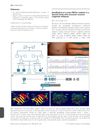
December 2013 in “British Journal of Dermatology” A new gene mutation linked to a skin condition was found in a Spanish family.
34 citations
,
January 2004 in “Genomics” A cluster of 21 keratin-associated protein genes important for hair growth was found on human chromosome 21.
Obstructive sleep apnea can be hereditary and linked to a genetic mutation in the COL1A2 gene.
6 citations
,
October 2022 in “Frontiers in Physiology” Calcium channels are vital for normal skin function and their dysfunction can lead to skin issues.
 1 citations
,
November 2023 in “Rice”
1 citations
,
November 2023 in “Rice” PRX102 is essential for rice root hair growth by helping transport substances to the tips.
July 2026 in “Materials Today Bio” The MQ complex helps heal melanoma wounds by controlling ROS levels with light.
6 citations
,
April 2020 in “Conicet” PRX01, PRX44, and PRX73 affect root hair growth by interacting with extensins in Arabidopsis.
2 citations
,
January 2024 in “Revista Paulista de Pediatria” A rare genetic mutation caused severe symptoms in a 6-year-old girl with mandibuloacral dysplasia type A.
April 2016 in “Journal of Investigative Dermatology” Mutations in the TSPEAR gene cause a new form of ectodermal dysplasia affecting hair and tooth development.
 30 citations
,
October 2014 in “PLOS ONE”
30 citations
,
October 2014 in “PLOS ONE” BAF200 is essential for proper heart and coronary artery formation.
18 citations
,
November 2005 in “Archives of Dermatological Research” January 2008 in “OhioLink ETD Center (Ohio Library and Information Network)” SARMs work differently in tissues due to unique interactions and structures.
 16 citations
,
August 2022 in “Nature Communications”
16 citations
,
August 2022 in “Nature Communications” ROR2 is essential for hair follicle stem cell renewal and maintenance.
3 citations
,
January 2023 in “International journal of molecular sciences” Certain miRNAs play a key role in the growth of cashmere by affecting hair follicle development and regeneration.
May 2023 in “bioRxiv (Cold Spring Harbor Laboratory)” The research mapped diverse cell types in mouse lacrimal glands, aiding understanding of gland biology and diseases.
36 citations
,
February 1998 in “Journal of Anatomy” Fibre optic confocal imaging can visualize skin layers, blood vessels, and nerves in live mice.
 17 citations
,
June 2019 in “BMC genomics”
17 citations
,
June 2019 in “BMC genomics” Non-coding RNAs help control hair growth in cashmere goats.
April 2019 in “The journal of investigative dermatology/Journal of investigative dermatology” A synthetic sandalwood odorant can boost antimicrobial production in hair follicles, making them more resistant to bacteria.
70 citations
,
March 1997 in “Journal of Investigative Dermatology”  July 2022 in “The journal of investigative dermatology/Journal of investigative dermatology”
 Particulate matter causes inflammation in hair cells, potentially harming hair growth.
The transporter protein SH1446 in Staphylococcus hominis is key to underarm odor production.
19 citations
,
May 2001 in “Endocrinology” Mrp3 may aid in wound healing and hair growth.
15 citations
,
August 2019 in “F1000Research” CMG2 and TEM8 receptors have distinct roles in skin and growth disorders, affecting collagen breakdown and growth.