 March 2023 in “Journal of clinical review & case reports”
 Frontal Fibrosing Alopecia mainly affects postmenopausal Mexican women, requiring early detection to prevent permanent hair loss.
 January 2023 in “Brazilian Journals Editora eBooks”
 Girls with Autism Spectrum Disorder may show different symptoms than boys, leading to missed or delayed diagnoses.
 January 2023 in “Brazilian Journals Editora eBooks”
 People with cleft lip and palate often have respiratory problems.
 January 2023 in “Brazilian Journals Editora eBooks”
 Passiflora incarnata may help with anxiety and sleep issues but has side effects; teleconsultation for heart failure can improve quality of life; increased screen time for children during the pandemic led to more clinical complaints; older and severely affected COVID-19 patients are more likely to have long-term symptoms.
 January 2023 in “Brazilian Journals Editora eBooks”
 Nursing staff's mental health was affected during the COVID-19 pandemic.
 January 2023 in “Brazilian Journals Editora eBooks”
 The document concludes that Passiflora incarnata could help with anxiety, telemedicine might improve heart failure care, screen time for kids has increased, pregnant teens in Brazil are mostly okay with their body image, rare tuberculosis infection can occur after knee surgery, older and severely ill people are more likely to have long COVID-19 symptoms, HPLC might diagnose more diabetes cases, and psychiatrists should be involved in pain management.
 January 2023 in “Brazilian Journals Editora eBooks”
 Pharmacists play a key role in managing the use of anxiety medications and ensuring patients use them correctly.
 January 2023 in “Brazilian Journals Editora eBooks”
 Psychiatrists are crucial in pain management teams because they help treat severe pain and related mental health issues.
 January 2023 in “Brazilian Journals Editora eBooks”
 The document concludes that Passiflora incarnata may help with anxiety, healthcare workers need mental support, common bacteria cause hospital UTIs, telehealth for heart failure needs research, kids' screen time has increased, pregnant teens are mostly okay with their body image, diagnosing post-surgery tuberculosis is hard, older and severely ill people are more likely to have long COVID symptoms, and psychiatrists should be part of pain management teams.
 January 2023 in “Brazilian Journals Editora eBooks”
 Surgery to fix a broken upper arm bone can sometimes lead to nerve damage.
 January 2023 in “Brazilian Journals Editora eBooks”
 Passiflora incarnata may help with anxiety but has risks and drug interactions.
There's a genetic link between Fragile X Syndrome and Autism Spectrum Disorder.
6.7% of urine cultures showed hospital-acquired urinary tract infections.
Children used screens more during COVID-19, causing various health complaints.
Autism Spectrum Disorder is often underdiagnosed in females.
Dissociative disorders in childhood sexual abuse victims are more common in males.
Most pregnant teenagers are not dissatisfied with their body image but worry about weight.
Diagnosing tuberculosis after knee surgery is challenging due to non-specific symptoms.
Post-COVID-19 syndrome is more common in older, severely affected patients.
Psychiatrists should be part of pain management teams due to the psychological aspects of pain.
 January 2023 in “Brazilian Journals Editora eBooks”
 HPLC may detect prediabetes and diabetes earlier than Immunoturbidimetry because it shows higher A1c levels.
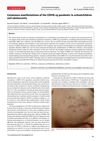 January 2023 in “Acta dermatovenerologica Alpina, Pannonica et Adriatica (Tiskana izd.)”
 The article concludes that schoolchildren and adolescents experienced various skin issues during the COVID-19 pandemic, including acne from masks and other skin reactions from the virus and vaccines.
 January 2023 in “Editora Conhecimento Livre eBooks”
 A balanced diet with key nutrients and possible supplements can help manage post-COVID-19 symptoms.
Reducing iron levels didn't improve heart health or metabolism in women with certain ovarian issues.

Quality of life improved after COVID-19, but ongoing health support is needed.

Nanotechnology can improve alopecia treatments but faces stability challenges.

Social media data can help track and predict COVID-19 symptoms and trends.
 December 2022 in “Revista Medicina Cutánea Ibero-Latino-Americana”
 JAK inhibitors help treat alopecia areata but have high recurrence after stopping.
 December 2022 in “Jurnal Kesehatan Jompa”
 AAG causes hair loss in many people, with limited treatments like finasteride, minoxidil, light therapy, and hair transplants.
 November 2022 in “Journal of Education, Health and Sport”
 The skin's bacteria might influence the development of a hair loss condition called alopecia areata.
 September 2022 in “Revista de la Asociación Colombiana de Dermatología y Cirugía Dermatológica”
 Skin symptoms appear in up to 20% of Covid-19 cases.
 September 2022 in “Ciencia Unemi”
 More clinical trials are needed to confirm if plant-based products can effectively treat COVID-19.
 August 2022 in “International journal of research in pharmacy and chemistry”
 Teak is a durable, termite-resistant wood with medicinal benefits.
Clinical signs don't match inflammation levels in lichen planopilaris and frontal fibrosing alopecia.
 July 2022 in “Revista Ibero-Americana de Humanidades, Ciências e Educação”
 Many recovered COVID-19 patients, especially women, experience lingering symptoms like fatigue and headaches.
 July 2022 in “International journal of KIU”
 Genetics influence opioid addiction risk, diet affects COVID-19 severity, Aerva lanata may harm kidneys, some plants fight fungi and cancer, and nursing students need better contraceptive knowledge.
 March 2022 in “Brazilian Journal of Health Review”
 COVID-19 can cause a type of hair loss that usually starts 3-6 months after the illness, and treatment includes stress reduction and hair care products like Minoxidil.
 March 2022 in “Marmara University Open Access System”
 Digital games are part of new media but need a deeper look at their complex nature and cultural roots.
 December 2021 in “Biomedical journal of scientific & technical research”
 Oral processed egg yolk improves hair regrowth and quality in alopecia patients.