Search
for
Sort by
Research
540-570 / 1000+ results
research Ferreting out stem cells from their niches
New methods have greatly improved our understanding of stem cell behavior and roles in the body.
research CD4 expression controls epidermal stem cell balance
CD4 is crucial for maintaining skin stem cell balance and aiding wound healing.

research Cyclin‐dependent kinase 4 expression alters the number of keratinocyte stem cells in the mouse hair follicle
Changing CDK4 levels affects the number of stem cells in mouse hair follicles.
research New developments in stem cell biology and therapy. meeting report from the working group of the German Society for Hematology and Oncology
The meeting highlighted important advances in stem cell research and its potential for creating new medical treatments.

research Isolating subpopulations of human epidermal basal cells based on polyclonal serum against trypsin-resistant CSPG4 epitopes
The research found a way to identify and study skin cells with stem cell traits, revealing they behave differently in culture and questioning current stemness assessment methods.

research Sept4/ ARTS Regulates Stem Cell Apoptosis and Skin Regeneration
Mice without the Sept4/ARTS gene heal wounds better due to more stem cells that don't die easily.
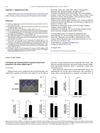
research Enrichment and characterization of human dermal stem/progenitor cells using collagen type IV
Scientists identified a group of human skin cells with high growth and regeneration potential.
research The River of Stem Cells
The document concludes that certain chemicals can help maintain stem cell pluripotency and that understanding cell states is crucial for tissue regeneration.
research Abstract 3889: Cyclin-dependent kinase 4 levels affect the number of hair follicle stem cells in mouse epidermis
CDK4 levels affect the number of hair follicle stem cells in mice.
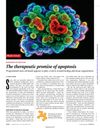
research The therapeutic promise of apoptosis
Blocking cell death in certain stem cells can improve wound healing and tissue regeneration.
research The Hair Follicle Stem Cell as the Paradigm Multipotent Adult Stem Cell
Hair follicle stem cells can turn into many cell types and may help repair nerve damage and have other medical uses.
research Watching stem cells at work with a flexible multiphoton tomograph
A new imaging technique can observe stem cells in living mice without harming them.
research A preliminary study of markers for human hair follicle melanin stem cell
Researchers identified potential markers for human hair color stem cells.
research Introduction to Hair-Follicle-Associated Pluripotent Stem Cells
HAP stem cells can repair nerves, grow hair follicle nerves, and become heart muscle cells, making them useful for regenerative medicine.
research Bone morphogenetic proteins 4 and 2/7 induce osteogenic differentiation of mouse skin derived fibroblast and dermal papilla cells
research Nestin-Expressing Hair Follicle-Accessible Pluripotent Stem Cells for Nerve and Spinal Cord Repair
Hair follicle stem cells can help repair nerve and spinal cord injuries.
research Multipotent nestin‐expressing hair follicle stem cells
Hair follicle stem cells can turn into various cell types and help repair nerves.
research CellTissueScience 2018: Innovations in regenerative medicine that improve the results of stem cell treatment: 3D cultivation, in vivo modeling of stem cell niche and prenatal stem cells exosomes_AbhijitBopardikar_ReeLabs Pvt. Ltd., India
3D cultivation and prenatal stem cell exosomes improve stem cell treatment results, especially for hair loss and age-related issues.
research Highly Efficient Neural Differentiation of CD34-Positive Hair-Follicle-Associated Pluripotent Stem Cells Induced by Retinoic Acid and Serum-Free Medium
Hair follicle stem cells can become nerve cells using specific treatments.
research Adult Stem Cells as an Alternative Source of Multipotential (Pluripotential) Cells in Regenerative Medicine
Adult stem cells can become many different cell types, offering wide possibilities for repairing damaged tissues.
research Adult Stem Cells
Adult stem cells are effective and ethically acceptable for treating various diseases.
research The potential of nestin-expressing hair follicle stem cells in regenerative medicine
Hair follicle stem cells could help repair nerves and avoid ethical issues linked to embryonic stem cells.

research 1438 KLF4 maintains hair follicle stem cell quiescence
KLF4 is important for keeping hair follicle stem cells inactive.

research Expansion and characterization of epithelial stem cells with potential for cyclical hair regeneration
A specific group of stem cells can help regenerate hair continuously.
research Boosting and Rescuing Epidermal Superior Population from Fresh Keratinocyte Cultures
The method increases stem-like cells for better skin regeneration.

research Isolation and Characterization of Cutaneous Epithelial Stem Cells
Scientists found ways to identify and collect skin stem cells, which vary by skin area and are delicate.
research Embryonic development of hair follicle pluripotent stem (hfPS) cells
research Novel in vitro culture condition improves the stemness of human dermal stem/progenitor cells
New culture method keeps human skin stem cells more stem-like.
research Uncomplicated differentiation of stem cells into bipolar neurons and myelinating glia
Hair follicles can be used to easily create neurons and glial cells for potential nerve repair.