 March 2024 in “Intisari Sains Medis”
 PRP injections improve periorbital wrinkles and show promise as a treatment.
 December 2023 in “Biointerface Research in Applied Chemistry”
 Stiripentol shows promise as a potential treatment for androgen-related diseases but needs more testing.
 October 2023 in “TURKDERM”
 COVID-19 reduced dermatology visits by 30.4%, with more male patients and increased cases of psoriasis, bullous diseases, and melanoma.
 August 2023 in “Anales de la Facultad de Ciencias Médicas”
 The patient with lupus and hair loss improved with oral and topical minoxidil.
 July 2023 in “Anuradhapura Medical Journal”
 Many students at Rajarata University in Sri Lanka experience skin issues like acne, causing significant stress and concern.

There are many treatments for common hair loss, but more trials are needed to decide which are best.
 May 2023 in “Bali Medical Journal”
 Higher sebum levels are linked to more severe male baldness.
 March 2023 in “İnönü Üniversitesi Sağlık Hizmetleri Meslek Yüksek Okulu Dergisi”
 Obesity is linked to higher metabolic syndrome and LH/FSH ratios, but no significant differences exist among PCOS phenotypes.
 September 2022 in “Institutional Repositories DataBase (IRDB)”
 3D-oxy exosomes may significantly boost hair growth, offering new treatment options for hair loss.

Clinical signs don't match inflammation levels in lichen planopilaris and frontal fibrosing alopecia.
 July 2022 in “Research Square (Research Square)”
 Lower PPARγ levels and specific gene variations are linked to more severe Frontal Fibrosing Alopecia.
 March 2022 in “Marmara University Open Access System”
 Digital games are part of new media but need a deeper look at their complex nature and cultural roots.
 January 2022 in “Dermatology Review”
 Microneedling with bleomycin effectively treats plantar warts with fewer sessions.
Alopecia Areata has no cure, treatments are limited, and the condition often recurs, but new therapies like JAK inhibitors show promise.
The review found that PRP is the most effective treatment for hair loss with few side effects.
 November 2020 in “TURKDERM”
 Hormonal treatments effectively manage acne in some women, especially with specific hormonal issues.
 March 2019 in “Dicle Medical Journal / Dicle Tip Dergisi”
 Hair and scalp diseases affect 11% of Turkish women, with seborrheic dermatitis being the most common.
 November 2018 in “International Journal of Research in Dermatology”
 Teaching kids about hygiene can reduce scalp infections.
 July 2018 in “Elsevier eBooks”
 Acne keloidalis nuchae is a chronic skin condition more common in African men, causing itchy or painful bumps and can lead to permanent hair loss if not treated early.
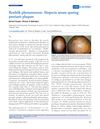 July 2018 in “Our Dermatology Online”
 Alopecia areata does not affect areas with psoriasis plaques.
 April 2018 in “Journal of Investigative Dermatology”
 Higher levels of nidogen1 and type IV collagen are found in basal cell carcinoma compared to normal skin.
 April 2018 in “Journal of Investigative Dermatology”
 CREB, a protein that can promote cancer traits, is controlled by β-catenin in skin cancer cells.
 April 2018 in “Journal of Investigative Dermatology”
 The document concludes that ERBB2 mutations are common in extramammary Paget disease and may respond to systemic treatments like cancer immunotherapy.
 November 2017 in “Research Journal of Health Sciences”
 Skin infections and eczema were most common in all ages, acne in teens and young adults, and nutritional skin problems and infestations in children.
January 2016 in “Dermatology Online Journal” Hormonal therapy changes skin and hair in transgender patients, who need better researched dermatologic care.
 November 2015 in “European Journal of Inflammation”
 Cicatricial alopecia, a permanent hair loss condition, is mainly caused by damage to specific hair follicle stem cells and abnormal immune responses, with gene regulator PPAR-y and lipid metabolism disorders playing significant roles.
New techniques make hair transplants look more natural.
 December 2013 in “Research Portal (King's College London)”
 Hair loss in Lichen Planopilaris is caused by immune system issues damaging hair follicles and stem cells.

Millet extract, wheat germ oil, L-cystine, and calcium pantothenate reduced hair loss and improved hair growth in women with diffuse alopecia.

Accurate diagnosis of cicatricial alopecias requires thorough scalp examination and multiple biopsy techniques.