 May 2026 in “International Journal of Molecular Sciences”
 Plucked hair follicles can be used for regenerative therapies and personalized medicine.
 April 2026 in “Cosmetics”
 The shampoo effectively covers gray hair gradually and maintains color after multiple washes.
January 2026 in “Addiction Biology” Finasteride may help reduce alcohol cravings and related brain activity.
December 2025 in “Pharmaceutics” EV-based drug delivery shows promise but faces challenges in standardization and scalability.
December 2025 in “Biology” Male and female mice handle stress differently.
November 2025 in “Journal of Clinical Medicine” The drinkable supplement reduced hair shedding and increased hair growth in women.
 November 2025 in “Scientific Reports”
 COVID-19 may cause hair loss by affecting hair follicles.
November 2025 in “Journal of Pharmacy and Pharmacology” PEDF reduces oxidative damage and supports stem cells.
October 2025 in “Preprints.org” Male and female mice handle stress differently.
August 2025 in “IntechOpen eBooks” Long COVID affects many survivors with ongoing symptoms, needing more research and care.
 July 2025 in “Reproductive Biology and Endocrinology”
 Early androgen exposure affects hormone receptor expression in adult female rats' brains, but not in males.

Vinegar-processed black soybean helps hair growth and prevents hair loss.
May 2025 in “Ecology and Evolution” The Indus River dolphin has low genetic diversity due to a past bottleneck and human impact.
December 2024 in “PLoS ONE” Alopecia in gray bats is most common and severe during lactation, likely due to stress and nutrition.
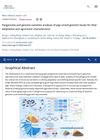
Pangenome analysis reveals key genes for pig adaptation and traits, aiding genetic improvement.
 November 2024 in “Journal of Cosmetic Dermatology”
 The hair serum reduced hair loss and improved hair quality in women.
 November 2024 in “Clinical Cosmetic and Investigational Dermatology”
 Rosemary oil may effectively treat hair loss with fewer side effects, but more research is needed.
 August 2024 in “Archives of Women s Mental Health”
 Women with PCOS have more depression and stress due to high androgen levels, not obesity or insulin resistance.
July 2024 in “International Journal of Molecular Sciences” MicroRNAs could help assess and manage multiple chronic diseases.
 March 2024 in “Journal of functional foods”
 Collagen peptides from marine and bovine sources may help prevent hair loss by affecting hair follicle stem cells differently.
 February 2024 in “Brain research bulletin”
 Blocking androgen activity in newborn rats affects body weight and appetite-related hormones differently in males and females.
February 2024 in “Neurophotonics” Light therapy on the brain shows promise for treating brain diseases and improving brain function.
 January 2024 in “Skin appendage disorders”
 Environmental pollutants can damage hair health and cause hair loss.

The study concludes that long COVID recovery involves time, various treatments, and a strong patient-provider relationship.
 February 2023 in “Frontiers in Endocrinology”
 Too much male hormone in mothers can negatively affect the sexual behavior of both male and female baby mice.
 January 2023 in “International Journal of Molecular Sciences”
 Maxillariinae orchids contain 62 compounds with potential health benefits, including treating skin conditions and diseases like cancer and diabetes.
 October 2022 in “Frontiers in Endocrinology”
 New tools show that in fish, NPY increases feeding and somatostatin decreases it.
 September 2022 in “Research, Society and Development”
 Long-lasting symptoms like fatigue and breathlessness can persist after COVID-19, requiring ongoing medical follow-up.

A man wrongly believed he had parasites, showing that delusional infestation can affect men and is often linked with other psychiatric issues, but can be treated with antipsychotics.
The white wax scale insect's genome shows that complete metamorphosis evolved earlier than thought and highlights differences in male and female development.