 61 citations
,
September 2010 in “Genomics”
61 citations
,
September 2010 in “Genomics” The study found that immune responses disrupt hair growth cycles, causing hair loss in alopecia areata.
 59 citations
,
September 2008 in “Experimental dermatology”
59 citations
,
September 2008 in “Experimental dermatology” Both mouse and rat models are effective for testing alopecia areata treatments.
 55 citations
,
October 2019 in “Dermatology and therapy”
55 citations
,
October 2019 in “Dermatology and therapy” Drugs targeting the JAK/STAT pathway can improve atopic dermatitis but vary in effectiveness for vitiligo and alopecia areata, with generally mild safety concerns.
 29 citations
,
March 2019 in “JEADV. Journal of the European Academy of Dermatology and Venereology/Journal of the European Academy of Dermatology and Venereology”
29 citations
,
March 2019 in “JEADV. Journal of the European Academy of Dermatology and Venereology/Journal of the European Academy of Dermatology and Venereology” Older age at onset of alopecia areata leads to less severe and shorter episodes, with most patients experiencing significant hair regrowth.
 29 citations
,
June 2013 in “Journal of the Saudi Society of Dermatology & Dermatologic Surgery”
29 citations
,
June 2013 in “Journal of the Saudi Society of Dermatology & Dermatologic Surgery” Alopecia areata is an autoimmune hair loss condition treated with corticosteroids, and histologic confirmation is the best diagnosis method.
 19 citations
,
December 2001 in “Dermatologic Therapy”
19 citations
,
December 2001 in “Dermatologic Therapy” Horizontal scalp biopsy sections are better for diagnosing alopecia areata, showing fewer hair follicles and more miniaturized hairs.
 18 citations
,
January 2017 in “Journal der Deutschen Dermatologischen Gesellschaft”
18 citations
,
January 2017 in “Journal der Deutschen Dermatologischen Gesellschaft” High and low doses of prednisolone helped 62% of children with severe alopecia regrow hair with some weight gain and mild acne as side effects.
 18 citations
,
April 2013 in “Inflammatory Bowel Diseases”
18 citations
,
April 2013 in “Inflammatory Bowel Diseases” People with Inflammatory Bowel Disease often lose hair due to stress, medication side effects, or lack of nutrients, and treatment depends on the specific cause.
 16 citations
,
January 2015 in “Current problems in dermatology”
16 citations
,
January 2015 in “Current problems in dermatology” Alopecia Areata is an autoimmune hair loss condition that needs more research for better treatments.
 12 citations
,
September 2017 in “Molecular and Cellular Endocrinology”
12 citations
,
September 2017 in “Molecular and Cellular Endocrinology” Testosterone significantly affects sexual desire in both men and women, but its impact on women is more complex and influenced by psychological factors.
 6 citations
,
July 2022 in “Journal of health economics and outcomes research”
6 citations
,
July 2022 in “Journal of health economics and outcomes research” Adolescents with severe alopecia incur significantly higher healthcare costs.
 5 citations
,
December 2024 in “Archivio Italiano di Urologia e Andrologia”
5 citations
,
December 2024 in “Archivio Italiano di Urologia e Andrologia” Personalized treatment is crucial for effectively managing benign prostatic hyperplasia (BPH).
 4 citations
,
July 2022 in “Journal of health economics and outcomes research”
4 citations
,
July 2022 in “Journal of health economics and outcomes research” Alopecia areata in US adolescents leads to significant healthcare costs and usage.
 4 citations
,
June 2020 in “British Journal of Pharmacology”
4 citations
,
June 2020 in “British Journal of Pharmacology” Activating TRPV4 in skin cells helps regrow hair in mice, possibly offering a treatment for hair loss.
 3 citations
,
August 2011 in “Current Psychiatry Reviews”
3 citations
,
August 2011 in “Current Psychiatry Reviews” Family-based treatment is the best outpatient care for stable teens with anorexia, and more research is needed on medication and treatment effectiveness for young people with eating disorders.
 1 citations
,
January 2014 in “Hair therapy & transplantation”
1 citations
,
January 2014 in “Hair therapy & transplantation” Platelet-rich plasma treatment is not very effective for chronic severe alopecia areata.
 1 citations
,
March 2011 in “Informa Healthcare eBooks”
1 citations
,
March 2011 in “Informa Healthcare eBooks” Isotretinoin is a preferred treatment for severe acne, often leading to long-term improvement, but requires careful monitoring due to potential side effects.
 January 2026 in “Acta Dermatovenerologica Alpina Pannonica et Adriatica”
 Accurate diagnosis is crucial for effectively treating severe alopecia and related symptoms.
The inner root sheath in hair follicles plays a key role in hair growth and health.
 September 2024 in “South Eastern European Journal of Public Health”
 Alopecia areata patients have higher IgE and IL-13 levels, suggesting immune involvement.
 December 2023 in “EPRA international journal of multidisciplinary research”
 Alopecia areata causes sudden hair loss, has genetic links, and can be managed but not cured.
 January 2022 in “Open Access Macedonian Journal of Medical Sciences”
 A 5-year-old boy with alopecia totalis had temporary hair regrowth with treatment but relapsed, highlighting the need for thorough investigation and holistic care.

Alopecia areata is an autoimmune disease affecting hair follicles and may harm heart health.
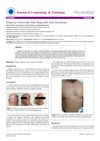 January 2017 in “Journal of cosmetology & trichology”
 A man with severe hair loss regrew hair after hormone treatment.
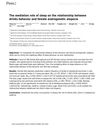
Drinking sweetened tea and late bedtimes increase the risk of hair loss in women.
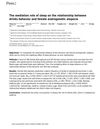
Drinking sweetened tea and poor sleep habits increase the risk of hair loss in women.
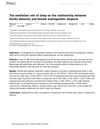
Drinking sweetened tea and poor sleep habits may increase the risk of hair loss in women.
Drinking sweetened tea and late bedtimes increase the risk of hair loss in women.
Drinking sweetened tea and poor sleep increase the risk of hair loss in women.
 400 citations
,
January 2014 in “British Journal of Sports Medicine”
400 citations
,
January 2014 in “British Journal of Sports Medicine” The consensus provided guidelines for treating the Female Athlete Triad and a system to decide when athletes can return to sports.