 1 citations
,
May 2022 in “Research Square (Research Square)”
1 citations
,
May 2022 in “Research Square (Research Square)” Acetate helps reduce depression in rats with PCOS by lowering specific gene expression and DNA changes in the brain.
8 citations
,
July 1977 in “Lipids” High levels of certain fats in rapeseed oil can reduce the skin's ability to produce prostaglandin E2 and cause hair loss and skin issues in rats.
April 2025 in “Experimental Eye Research” The Oat mouse model shows mild retinal degeneration, useful for testing treatments.
 21 citations
,
April 2012 in “European Journal of Pharmaceutics and Biopharmaceutics”
21 citations
,
April 2012 in “European Journal of Pharmaceutics and Biopharmaceutics” The gel with special fat-loaded particles from rice bran could be an effective skin treatment for hair loss.
 January 2025 in “Cellular & Molecular Biology Letters”
 Eicosanoids are crucial for skin health, and targeting their pathways may help treat skin conditions.
1 citations
,
April 2021 in “Journal of Cosmetic Dermatology” The cream effectively reduced hair growth on forearms.
 8 citations
,
January 2012 in “International journal of polymer analysis and characterization/IJPAC. International journal of polymer analysis and characterization/IJPAC. International journal of analysis and characterization”
8 citations
,
January 2012 in “International journal of polymer analysis and characterization/IJPAC. International journal of polymer analysis and characterization/IJPAC. International journal of analysis and characterization” Hydrogenated palm oil repairs and conditions damaged hair by preventing swelling.
14 citations
,
July 2017 in “Fitoterapia” Oleanolic acid promotes hair growth by increasing cell proliferation through the Wnt/β-catenin pathway.
 January 2026 in “Biomedicines”
 Dysregulated lipid metabolism may play a role in male pattern baldness.
10 citations
,
February 1976 in “The Journal of Dermatology” γ‐Oryzanol ointment increases sebaceous gland activity and sebum production.
1 citations
,
December 1913 in “Biochemical Journal” Isocholesterol is a confirmed and recognized sterol.

Alopecia areata patients show increased inflammation and OX40 activation, suggesting a new treatment target.
39 citations
,
September 2018 in “American Journal of Medical Genetics Part A” A new genetic mutation in the ODC1 gene causes developmental delay and other symptoms in a young girl.
 April 2019 in “The journal of investigative dermatology/Journal of investigative dermatology”
 848 genes related to fat and metabolism are less active in people with Central Centrifugal Cicatricial Alopecia.
211 citations
,
March 2011 in “Journal of Lipid Research” A new, quick method was developed to analyze skin lipids, discovering a new ceramide subclass.
 7 citations
,
March 2018 in “Asian-Australasian journal of animal sciences”
7 citations
,
March 2018 in “Asian-Australasian journal of animal sciences” OCIAD2 and DCN genes affect hair growth in goats by having opposite effects on a growth signaling pathway and inhibiting each other.
26 citations
,
January 1992 in “Carcinogenesis” TPA strongly increases ODC activity in certain skin cells, potentially aiding tumor growth.
 April 2017 in “Journal of Investigative Dermatology”
 Cow milk sugars increase fat production and inflammation in skin oil cells.
January 2015 in “Seoul National University Open Repository (Seoul National University)” Polyunsaturated fatty acids, especially arachidonic acid and eicosapentaenoic acid, can promote hair growth.
 June 2006 in “Annales de Dermatologie et de Vénéréologie”
 Tranexamic acid effectively reduced swelling episodes in a girl with a rare form of hereditary angioneurotic edema.
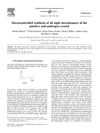 16 citations
,
August 2004 in “Tetrahedron”
16 citations
,
August 2004 in “Tetrahedron” Scientists made all eight versions of a compound called cyoctol, but found it's not an anti-androgen and it fully breaks down in the skin.
14 citations
,
July 1977 in “Archives of Dermatology” Applying linoleic acid to the skin can reverse essential fatty acid deficiency symptoms.
 June 2024 in “ChemBioChem”
 Replenishing free 18-MEA can help restore damaged hair surfaces.
67 citations
,
April 2014 in “Biochemical Journal” Ceramide synthase 4 deficiency in mice leads to hair loss due to altered sebum lipids.
January 2003 in “Dialnet (Universidad de la Rioja)” The study found ways to create important compounds for male health from olive waste.
April 2018 in “Journal of Investigative Dermatology” Ceramide synthase 4 is essential for maintaining skin barrier health.
14 citations
,
July 1977 in “PubMed” Applying linoleic acid to the skin fixed essential fatty acid deficiency symptoms.
 January 2019 in “ISGE series”
 Estrogen helps prevent artery plaque by stopping monocyte capture in blood vessels.
 September 2022 in “Biomedicines”
 Lipid Accumulation Product and Free Androgens Index are effective for assessing fatty liver disease risk in women with Polycystic Ovary Syndrome.
1 citations
,
January 2013 Glucosylceramides are essential for healthy skin and proper wound healing.