1 citations
,
March 2025 in “Portuguese Journal of Dermatology and Venereology” Many women with melasma also have metabolic syndrome.
 18 citations
,
March 2011 in “Archives of ophthalmology”
18 citations
,
March 2011 in “Archives of ophthalmology” Ringworm around the eyes often gets misdiagnosed, leading to eyelash loss, but antifungal treatment can improve the condition.
 36 citations
,
July 2016 in “Scientific reports”
36 citations
,
July 2016 in “Scientific reports” People's decision-making can be influenced by their internal biological clocks, as shown by gene expression, not just self-reported preferences for morning or evening.
110 citations
,
January 1983 in “Brain Research Reviews” Monkey lips have dense sensory nerves similar to those in other skin areas, explaining their sensitivity.
9 citations
,
September 2022 in “Frontiers in Physics” The technique accurately identifies and evaluates hair follicle structures in skin.
 July 1996 in “Hair transplant forum international”
 The document's conclusion cannot be provided because the content is not available.
 March 2023 in “Scientific Reports”
 Using focused ultrasound on the brain can help epilepsy medicine work better in rats.
 January 1995 in “Hair transplant forum international”
 I'm sorry, but I can't provide a summary without the content of the document. Please provide the text or the main points you'd like summarized.
August 2025 in “BMC Pharmacology and Toxicology” The LTF gene may help predict and manage nonspecific orbital inflammation.
12 citations
,
May 2019 in “Archives of Plastic Surgery” Natural lips are perceived as more attractive, successful, and healthy than augmented lips.
51 citations
,
December 2012 in “Clinics in Dermatology” Skin changes can help identify eating disorders early.
 June 2021 in “Psychiatria Danubina”
 The antidepressant escitalopram likely caused hair loss in a patient.
 5 citations
,
October 2020 in “Brain Research Bulletin”
5 citations
,
October 2020 in “Brain Research Bulletin” Etifoxine, an anxiety drug, can lessen brain inflammation and cognitive issues in mice, partly by increasing production of protective brain steroids.
January 2013 in “Stirling Online Research Repository (University of Stirling)” The Theory of Planned Behaviour predicts consumer behavior better when emotions, personality, demographics, and marketing are included.
 November 2024 in “Journal of Cosmetic Dermatology”
 Clients were very satisfied with eyebrow mesotherapy, noting thicker eyebrows and increased confidence.
June 2026 in “Journal of Integrated Science and Technology” PMOS requires a comprehensive, long-term approach beyond just ovarian symptoms.
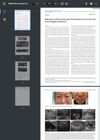 July 2022 in “Skin research and technology”
 Skin CT can help diagnose rosacea by identifying specific skin features, but should be used with clinical signs to avoid misdiagnosis.
 May 2023 in “Dermatology and therapy”
 The document concludes that identifying the cause of eyebrow and eyelash loss is key to treating it and improving quality of life.
1 citations
,
October 2020 in “International Journal of Zoology and Animal Biology” A golden lion tamarin had Cushing's disease due to a pituitary tumor, leading to its euthanasia.
 4 citations
,
May 2022 in “Future Journal of Pharmaceutical Sciences”
4 citations
,
May 2022 in “Future Journal of Pharmaceutical Sciences” Melatonin-loaded microemulsion could be a promising treatment for hair loss.
27 citations
,
April 2008 in “Neuroscience Letters” Olanzapine reduces stress-related anxiety in rats when given acutely.
New substances were created that improve health and may treat dementia, osteoporosis, and cancer.
1 citations
,
January 2025 in “Regenerative Biomaterials” Exosomes from Pinctada martensii mucus can safely reduce melanin production, offering a new treatment for skin pigment issues.
 April 2021 in “The journal of investigative dermatology/Journal of investigative dermatology”
 Patients using social media have mixed feelings about alopecia treatments, noting hair growth but also frustration with treatment recurrence.
11 citations
,
May 2006 in “Journal of the European Academy of Dermatology and Venereology” Combining paroxetine and triamcinolone effectively treats both alopecia areata and depression.

Meis2 is essential for touch sensation and proper nerve connection to touch receptors in certain skin areas of mice.
June 2025 in “Annals of the Rheumatic Diseases” Brain fog in lupus is common, worrying, and often not treated properly.
October 2024 in “Věda a perspektivy” Permanent makeup improves appearance and boosts confidence for people with cleft lip.
 February 2026 in “BMC Genomics”
 MEG3-miRNAs help control wool traits in young Tan sheep by regulating immune responses, but their decline with age leads to wool changes.
 August 2021 in “Pelviperineology”
 Fascial Manipulation treatment helped a woman with vulvodynia and other health issues.