 1 citations
,
December 2011
1 citations
,
December 2011 Marine-derived ingredients show potential for hair health but need more human trials to confirm effectiveness.
 September 2025 in “Animal Bioscience”
 Key genes and pathways affect wool fiber thickness, improving wool quality.
 October 2018 in “InTech eBooks”
 The gene Foxn1 is important for hair growth, and understanding it may lead to new alopecia treatments.
 27 citations
,
March 1994 in “Harvard Review of Psychiatry”
27 citations
,
March 1994 in “Harvard Review of Psychiatry” Behavior therapy and medications, especially clomipramine, can help reduce hair pulling in people with trichotillomania.
 1 citations
,
April 2012 in “American Literary History”
1 citations
,
April 2012 in “American Literary History” Harriet E. Wilson had a challenging career as a spiritualist in Boston, facing competition and possible racism.
 January 2017 in “Research Portal (King's College London)”
 Mantel's family life affected her view of femininity and worsened her endometriosis.
 November 2012 in “Econometric Theory”
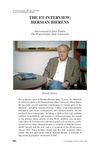
 Herman Bierens had a successful career in econometrics, contributed to education, and plans to continue research after retirement.
 16 citations
,
March 2008 in “Dermatologic Surgery”
16 citations
,
March 2008 in “Dermatologic Surgery” Hydrogen peroxide's effects on wound healing in hair transplants are unclear, and it may slow healing and increase scarring.
 June 2008 in “Dermatologic Surgery”
 Hydrogen peroxide may have both positive and negative effects on wound healing, and its safe concentration for hair transplant surgery is unclear.
 245 citations
,
March 2012 in “Journal of The American Academy of Dermatology”
245 citations
,
March 2012 in “Journal of The American Academy of Dermatology” Dermatoscopy is useful for identifying different hair and scalp conditions and can reduce the need for biopsies.
 60 citations
,
February 1997 in “Journal of Dermatological Science”
60 citations
,
February 1997 in “Journal of Dermatological Science” Liposomes can safely and effectively deliver substances to mouse hair follicles, potentially useful for human hair treatments.
 59 citations
,
September 2008 in “Experimental dermatology”
59 citations
,
September 2008 in “Experimental dermatology” Both mouse and rat models are effective for testing alopecia areata treatments.
 52 citations
,
October 1999 in “Developmental Dynamics”
52 citations
,
October 1999 in “Developmental Dynamics” Mutations in the hairless gene in mice affect its expression and lead to a range of developmental issues in multiple tissues.
 48 citations
,
April 2013 in “Expert Opinion on Investigational Drugs”
48 citations
,
April 2013 in “Expert Opinion on Investigational Drugs” Possible new treatments for common hair loss include drugs, stem cells, and improved transplants.
 38 citations
,
June 2003 in “Journal of Investigative Dermatology Symposium Proceedings”
38 citations
,
June 2003 in “Journal of Investigative Dermatology Symposium Proceedings” Accurate clinical, histological, and genetic methods are key for understanding and treating hair disorders.
 15 citations
,
January 2019 in “International Journal of Women's Dermatology”
15 citations
,
January 2019 in “International Journal of Women's Dermatology” Early treatment helps stop hair loss in women of color.
 13 citations
,
July 2004 in “Skinmed”
13 citations
,
July 2004 in “Skinmed” Common types of non-scarring hair loss have various causes and treatments, but more effective solutions are needed.
 5 citations
,
June 2016 in “Dermatologic Surgery”
5 citations
,
June 2016 in “Dermatologic Surgery” Hair restoration for East Asians should consider their unique characteristics like head shape, hair thickness, and hair density, and use modified procedures and treatments to minimize scarring and maintain hair density.
 1 citations
,
December 2018 in “Journal of Pakistan Association of Dermatology”
1 citations
,
December 2018 in “Journal of Pakistan Association of Dermatology” Dermoscopy is useful for diagnosing different types of hair loss.
 January 2019 in “ARC journal of pharmaceutical sciences”
 Acne can be managed with various treatments and requires psychological support due to its emotional impact.
 January 2014 in “Journal of Pigmentary Disorders”
 Women's hair gets thinner and grayer as they age, with treatments available for hair loss and graying.
 January 2012 in “Elsevier eBooks”
 Hair loss can cause emotional and social issues, and various treatments, including medication, surgery, and psychological support, are needed.
 September 2004 in “Experimental dermatology”
 Melatonin directly affects mouse hair follicles and may influence hair growth.
 October 2003 in “Journal of Investigative Dermatology Symposium Proceedings”
 Mice treatments didn't grow hair, a patient treatment may affect immune response, and people with hair loss often feel anxious or depressed.
 January 1982 in “Journal of The American Academy of Dermatology”
 Experts discussed treatments for skin conditions in children, emphasizing hydration, cautious medication use, and early intervention for infections.
 218 citations
,
April 2012 in “British Journal of Dermatology”
218 citations
,
April 2012 in “British Journal of Dermatology” Guidelines suggest various treatments for alopecia areata, but leaving it untreated is also an option as 80% cases may recover on their own.
 210 citations
,
July 1993 in “The journal of investigative dermatology/Journal of investigative dermatology”
210 citations
,
July 1993 in “The journal of investigative dermatology/Journal of investigative dermatology” Hair color production in mice is closely linked to the hair growth phase and may also influence hair growth itself.
 109 citations
,
July 1993 in “The journal of investigative dermatology/Journal of investigative dermatology”
109 citations
,
July 1993 in “The journal of investigative dermatology/Journal of investigative dermatology” Hair color production is closely linked to the active growth phase of hair in mice and may also influence hair growth itself.
 99 citations
,
June 2005 in “Journal of Cosmetic Dermatology”
99 citations
,
June 2005 in “Journal of Cosmetic Dermatology” Hair ages due to genetics and environmental factors, leading to graying and thinning, with treatments available for some conditions.