 13 citations
,
June 2010 in “Journal of The American Academy of Dermatology”
13 citations
,
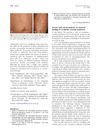
June 2010 in “Journal of The American Academy of Dermatology” A man with Cronkhite-Canada syndrome had all 20 nails detach but improved with treatment.
 13 citations
,
September 1989 in “International Journal of Dermatology”
13 citations
,
September 1989 in “International Journal of Dermatology” Carbamazepine may cause reversible nail detachment.
2 citations
,
September 2015 in “Türk pediatri arşivi : İstanbul çocuk kliniği dergisi” Valproic acid can very rarely cause nail separation, which usually gets better on its own after stopping the drug.
 March 2012 in “Journal of The American Academy of Dermatology”
 Hand-foot-mouth disease may cause nail loss in children.
6 citations
,
December 2015 in “Medicine” Cronkhite-Canada syndrome may be more treatable and less severe than previously thought.
 3 citations
,
October 2022 in “International Journal of Dermatology”
3 citations
,
October 2022 in “International Journal of Dermatology” COVID-19 can cause hair and nail disorders after infection.
June 2026 in “Skin Appendage Disorders” Topical minoxidil can safely and effectively boost nail growth.

Topical minoxidil significantly boosts nail growth and is safe.

Topical minoxidil significantly boosts nail growth and is safe.
 March 2012 in “Journal of The American Academy of Dermatology”
 Hair casts are often mistaken for head lice, scalp pain in hair loss is linked to certain nerve factors, eyelash growth treatment is safe and effective, and nail shedding in children may follow hand-foot-mouth disease.
September 1998 in “JEADV. Journal of the European Academy of Dermatology and Venereology/Journal of the European Academy of Dermatology and Venereology” Intermittent isotretinoin can cause various skin, hair, and nail changes.
 3 citations
,
May 2019 in “Australasian Journal of Dermatology”
3 citations
,
May 2019 in “Australasian Journal of Dermatology” Hair loss in Cronkhite-Canada syndrome may be caused by autoimmune factors, not just stress or malabsorption.

Patients with graft-versus-host disease often have nail changes related to the nail matrix, with severity not linked to skin condition.
 December 2016 in “John Wiley & Sons, Ltd eBooks”
 The document concludes that proper recognition and treatment of skin appendage disorders are important for management.
2 citations
,
December 2013 in “The Journal of Dermatology”  2 citations
,
August 2022 in “Cutis”
2 citations
,
August 2022 in “Cutis” COVID-19 vaccination may cause temporary nail changes, but they're not serious.
 January 2018 in “Elsevier eBooks”
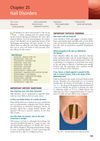
 Different nail disorders are treated by targeting their specific causes and using appropriate medications or protective measures.
 114 citations
,
January 2007 in “Drug Safety”
114 citations
,
January 2007 in “Drug Safety” Some drugs can cause skin, nail, and hair problems, which are important for healthcare professionals to recognize and report.
 41 citations
,
December 2015 in “JAMA Dermatology”
41 citations
,
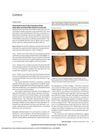
December 2015 in “JAMA Dermatology” Tofacitinib citrate improved nail dystrophy and pain in patients with alopecia universalis without causing side effects.
 18 citations
,
January 2014 in “Postępy Dermatologii i Alergologii”
18 citations
,
January 2014 in “Postępy Dermatologii i Alergologii” Personalized treatment plans are important for people with alopecia areata.
 7 citations
,
December 2016 in “British Journal of Dermatology”
7 citations
,
December 2016 in “British Journal of Dermatology” The report suggests that hair loss in Cronkhite-Canada syndrome may be caused by alopecia areata incognita, as shown by a patient's improvement with treatment.
 7 citations
,
May 2014 in “Clinical practice”
7 citations
,
May 2014 in “Clinical practice” Cooling the scalp may prevent hair loss from chemotherapy, hair often grows back after treatment, and nail issues usually improve after stopping the drug.
 2 citations
,
January 2024 in “European Journal of Case Reports in Internal Medicine”
2 citations
,
January 2024 in “European Journal of Case Reports in Internal Medicine” Beau's lines on fingernails might indicate past severe COVID-19 and risk of reinfection.
 2 citations
,
June 2018 in “Journal of the American Academy of Dermatology”
2 citations
,
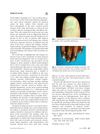
June 2018 in “Journal of the American Academy of Dermatology” Alopecia areata causes varying hair loss and nail changes, and treatments include topical, systemic, and injectable therapies.
 2 citations
,
March 2015 in “Expert opinion on orphan drugs”
2 citations
,
March 2015 in “Expert opinion on orphan drugs” New treatments for hair loss show promise but need more research to confirm safety and effectiveness.
 March 2026 in “Scholars Journal of Medical Case Reports”
 Nail issues are common in kids with alopecia areata and should be checked for better diagnosis.
 September 2023 in “SKIN The Journal of Cutaneous Medicine”
 Talquetamab may cause hair loss and skin issues.
 January 2023 in “Acta dermatovenerologica Alpina, Pannonica et Adriatica (Tiskana izd.)”
 The article concludes that schoolchildren and adolescents experienced various skin issues during the COVID-19 pandemic, including acne from masks and other skin reactions from the virus and vaccines.
 March 2014 in “Pediatric Clinics of North America”
 The document discusses how to identify and manage common skin conditions in children.
 February 2010 in “Journal of The American Academy of Dermatology”
 A woman's nail separation was likely caused by poor blood flow, and a treatment for similar conditions might help.