 6 citations
,
January 2020 in “Postepy Dermatologii I Alergologii”
6 citations
,
January 2020 in “Postepy Dermatologii I Alergologii” Trichoscopy is useful for diagnosing hair-pulling disorder.
39 citations
,
February 2011 in “American Journal of Dermatopathology” Onychomatricoma is a unique nail tumor that mimics the entire nail unit and is not related to other hair-related tumors.
May 2025 in “Apollo Medicine” Trichoscopy is a useful tool for diagnosing and assessing the severity of alopecia areata.
January 2020 in “Revista Dermatológica Centro Uraga” Recognizing trichoscopic features is crucial for diagnosing various hair loss conditions.
July 2026 in “Cosmoderma” Trichoscopy can identify specific hair patterns in tinea capitis before and after treatment.
 2 citations
,
May 2014 in “Journal of the Egyptian Women's Dermatologic Society (Print)”
2 citations
,
May 2014 in “Journal of the Egyptian Women's Dermatologic Society (Print)” Dermoscopy helps diagnose different scalp conditions by showing unique signs for each disorder.
 73 citations
,
April 2010 in “Anais Brasileiros de Dermatologia”
73 citations
,
April 2010 in “Anais Brasileiros de Dermatologia” Dermoscopy helps diagnose and monitor treatment for hair loss from scarring conditions like discoid lupus and lichen planopilaris.
15 citations
,
June 2020 in “Journal of the American Academy of Dermatology” Shiny white structures in trichoscopy can indicate long-standing discoid lupus erythematosus alopecia.
 89 citations
,
March 2018 in “The Journal of Dermatology”
89 citations
,
March 2018 in “The Journal of Dermatology” Trichoscopy helps diagnose and monitor alopecia areata by looking at a combination of specific hair and scalp features.
September 2023 in “JEADV Clinical Practice” Dermoscopy helps diagnose folliculotropic mycosis fungoides by identifying specific skin patterns.
18 citations
,
April 2016 in “American Journal of Dermatopathology” Larger nail cavity sizes suggest benign tumors, while smaller ones may need further biopsy to rule out cancer.
 178 citations
,
December 2011 in “Journal of Dermatological Case Reports”
178 citations
,
December 2011 in “Journal of Dermatological Case Reports” Trichoscopy is a useful tool for diagnosing different hair and scalp diseases by their unique visual features.
 February 2024 in “Skin research and technology”
 LC-OCT is a promising tool for diagnosing and monitoring Alopecia areata.
 April 2025 in “Veterinary Dermatology”
 Dermoscopy is useful for identifying skin lesions in dogs, with specific features distinguishing infundibular keratinising acanthomas from follicular cysts.
4 citations
,
April 2024 in “Clinical Cosmetic and Investigational Dermatology” Trichoscopy helps distinguish between scalp Discoid Lupus Erythematosus and Lichen Planopilaris for accurate diagnosis and treatment.
 March 2021 in “CRC Press eBooks”
 The document concludes that different patterns of hair thickness and scalp changes can help diagnose types of non-scarring hair loss.
1 citations
,
September 2023 in “Portuguese Journal of Dermatology and Venereology” Trichoscopy can help diagnose and decide when to biopsy folliculotropic mycosis fungoides.
36 citations
,
February 1998 in “Journal of Anatomy” Fibre optic confocal imaging can visualize skin layers, blood vessels, and nerves in live mice.
 1 citations
,
October 2022 in “Dermatology practical & conceptual”
1 citations
,
October 2022 in “Dermatology practical & conceptual” Isolated patchy heterochromia with pili annulati can occur without other health issues.
18 citations
,
November 2007 in “Acta Veterinaria Hungarica” The ovine interdigital sinus has a complex structure with three layers and various skin-like features.
 April 2023 in “International journal of dermatology and venereology”
 Dermoscopic features can help identify and differentiate types of pityriasis versicolor.
January 2021 in “International journal of dermatology, venereology and leprosy sciences” AGA and TE can be differentiated by specific trichoscopic features, with AGA showing more variation in hair thickness in fronto-temporal areas.
June 2024 in “Bioscientia Medicina Journal of Biomedicine and Translational Research” Most children with alopecia areata have patchy hair loss and common trichoscopic features like yellow and black dots.
 November 2024 in “International Journal of Dermatology”
 LC-OCT is a useful noninvasive tool for diagnosing and monitoring alopecia areata.
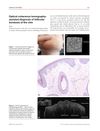 5 citations
,
February 2015 in “JEADV. Journal of the European Academy of Dermatology and Venereology/Journal of the European Academy of Dermatology and Venereology”
5 citations
,
February 2015 in “JEADV. Journal of the European Academy of Dermatology and Venereology/Journal of the European Academy of Dermatology and Venereology” OCT can non-invasively diagnose follicular keratosis and other hair follicle disorders.
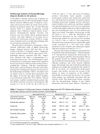 46 citations
,
January 2015 in “Journal of The American Academy of Dermatology”
46 citations
,
January 2015 in “Journal of The American Academy of Dermatology” Trichoscopy helps diagnose and assess the severity of Frontal Fibrosing Alopecia.
1 citations
,
March 2022 in “Anais brasileiros de dermatologia/Anais Brasileiros de Dermatologia” Trichoscopy helps tell apart hair loss due to alopecia areata from trichotillomania in eyebrows.
October 2015 in “CRC Press eBooks” Trichoscopy is a useful tool for examining and monitoring hair and scalp conditions.
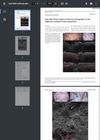 1 citations
,
October 2023 in “Skin research and technology”
1 citations
,
October 2023 in “Skin research and technology” LC-OCT is an effective new method for diagnosing classic lichen planopilaris.
 3 citations
,
August 2019 in “International Journal of Dermatology”
3 citations
,
August 2019 in “International Journal of Dermatology” Dermoscopy is useful for diagnosing lichen planopilaris and certain features may relate to disease duration, age, and gender.