Search
for
Sort by
Research
540-570 / 1000+ results
research Animal Models and the Developmental Origins of Polycystic Ovary Syndrome: Increasing Evidence for the Role of Androgens in Programming Reproductive and Metabolic Dysfunction
High levels of androgens during early development may cause PCOS-like symptoms.
research Conversion of C57Bl/6 mice from a tumor promotion–resistant to a –sensitive phenotype by enhanced ornithine decarboxylase expression
Increased ODC expression makes normally tumor-resistant mice more prone to tumor development.
research The Aromatase Inhibitor Fadrozole and the 5-Reductase Inhibitor Finasteride Affect Gonadal Differentiation and Gene Expression in the Frog Silurana tropicalis
Fadrozole and Finasteride change frog sex ratios and cause intersex animals with altered gene expressions.
research Mechanism of TAp73 inhibition by ΔNp63 and structural basis of p63/p73 hetero-tetramerization
ΔNp63α stops TAp73β from working in skin cancer by blocking its access to specific genes, not by directly interacting with it.
research Hirsutism in the Adolescent Female
The conclusion is that young women with excessive hair growth should be quickly tested for hormonal issues and treated to improve their social well-being.
research Overexpression of Lnk in the Ovaries Is Involved in Insulin Resistance in Women With Polycystic Ovary Syndrome
Higher Lnk protein levels in ovaries may lead to insulin resistance in women with PCOS.
research Finasteride blocks progesterone synthesis in MA-10 Leydig tumor cells.
Finasteride blocks progesterone production in specific tumor cells, potentially causing side effects.
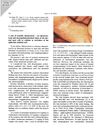
research A case of systemic mastocytosis - an ultrastructural and immunohistochemical study of the dermal mast cells in relation to activation of the epidermal melanin unit
Prednisone reduces organ mast cell infiltration but does not alter the abnormal appearance of mast cells in systemic mastocytosis.
research Clinical Observation of Polycystic Ovary Syndrome Treatment with Resveratrol
Resveratrol improved hormone levels, menstrual cycles, hair loss, and ovarian function in PCOS patients.
research Polycystic Ovary Syndrome in Adolescence
PCOS starts in adolescence with hormonal issues, leading to adult health problems, and early treatment is crucial.
research Polycystic Ovary Syndrome: Early Detection in the Adolescent
Early detection and treatment of PCOS in teenagers is important to manage symptoms and prevent severe issues.

research Differential Expression of miR-93 and miR-21 in Granulosa Cells and Follicular Fluid of Polycystic Ovary Syndrome Associating with Different Phenotypes
The study found that certain microRNAs are higher in the cells and lower in the fluid of women with a specific type of polycystic ovary syndrome, and one microRNA could potentially help diagnose the condition.
research Outer root sheath cells secrete oxytocin for hair growth promotion and stem cell proliferation
Oxytocin from hair cells helps hair growth and stem cell increase.
research Validation of the follicular and ovarian thresholds by an 18-MHz ultrasound imaging in polycystic ovary syndrome: a pilot cutoff for North African patients
New ultrasound criteria for diagnosing PCOS in North African patients were successfully established.
research Ornithine Decarboxylase Expression Leads to Translocation and Activation of Protein Kinase CK2 in Vivo
High ornithine decarboxylase levels may lead to hair loss and cancer by increasing CK2 activity in the nucleus.
research Population and Individual Stem Cell Dynamics in the Olfactory Epithelium
HBCs in the olfactory epithelium can self-renew or differentiate into other cell types, with specific patterns during regeneration.
research Ovarian steroid cell tumor (not otherwise specified) with subsequent spontaneous pregnancy after tumor removal: a case report and literature review
After tumor removal, the woman regained normal hormone levels, menstruated, and had a healthy baby.
research Ovarian morphology is associated with insulin resistance in women with polycystic ovary syndrome: a cross sectional study
Larger ovarian size is linked to higher insulin resistance in women with PCOS.
research Developmental origin of polycystic ovary syndrome - a hypothesis
The hypothesis suggests that PCOS may start early in life due to genetic and environmental factors, influencing future reproductive and metabolic problems.
research Dermal FOXO3 activity in response to Wnt/β-catenin signaling is required for feather follicle development of goose embryos (Anser cygnoides)
FOXO3 is essential for proper feather development in goose embryos.
research Integrated Transcriptome Analysis of lncRNA, miRNA, and mRNA Reveals key Regulatory Modules for Polycystic Ovary Syndrome
research Criteria for Diagnosis of Polycystic Ovary Syndrome during Adolescence: Literature Review
Diagnose PCOS in teens using irregular periods and high androgen levels, not ultrasound.

research Infertility in Polycystic Ovary Syndrome: Focus on Low-Dose Gonadotropin Treatment
Low-dose gonadotropin treatment is effective for infertility in women with PCOS, leading to high ovulation rates and comparable pregnancy rates with fewer complications.
research Clinico-sonographic Correlation and Predictors of Polycystic Ovarian Syndrome
Oligomenorrhea is the strongest predictor of PCOS severity.
research The functions of ocu-miR-205 in regulating hair follicle development in Rex rabbits
ocu-miR-205 affects hair density in Rex rabbits by altering hair follicle growth and signaling pathways.
research Update: The Pathogenesis and Treatment of PCOS
New treatments for PCOS focus on managing symptoms and improving fertility.
research Keratin-6 driven ODC expression to hair follicle keratinocytes enhances stemness and tumorigenesis by negatively regulating Notch
ODC overexpression in hair cells increases tumor growth by reducing Notch signaling.

research Biomarker development for PCOS diagnosis
Creating specific biological indicators is important for early detection and treatment of PCOS.
research Standards of Care for the Health of Transsexual, Transgender, and Gender-Nonconforming People, Version 7
The guidelines recommend informed consent for gender-affirming treatments and stress the importance of personalized, culturally sensitive care for transgender individuals.